
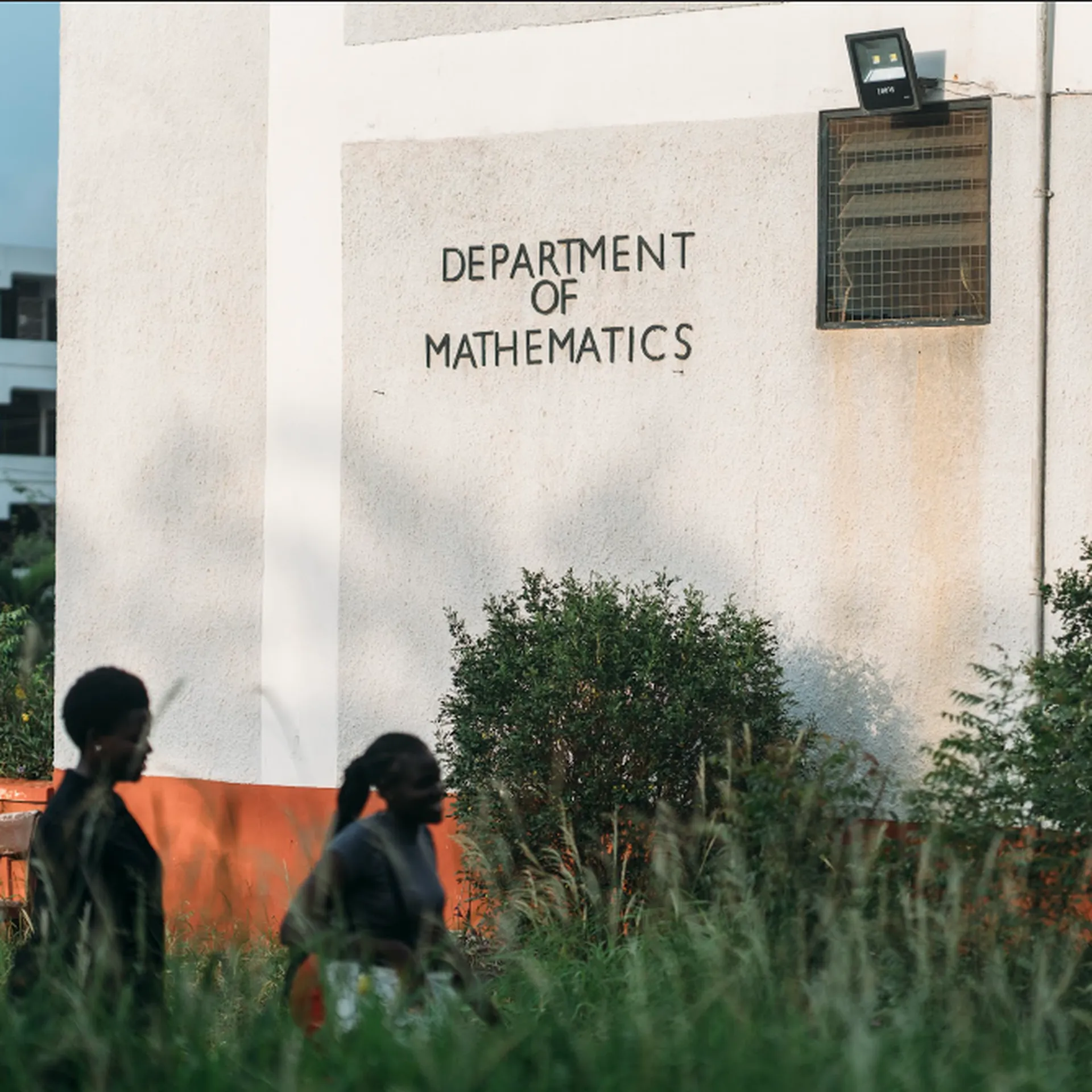
What’s the Right Transfer Amount?
There's no such thing as a perfect number. But there are ways to arrive at an amount that's grounded in local reality while remaining honest about limits. Here's how we get there.
For every country in which we operate, we define a standard transfer amount based on three things: the national poverty line, current prices, and our two thirds rule that keeps the program financially sustainable.
Why Bother with a Standard?
Without one, we'd find ourselves asking what is the right amount every time we start a new program. That quickly becomes complicated, and without a standardized method behind it, every amount is just a subjective call that's hard to explain and defend.
A standardized method removes one operational complexity from establishing a new cash program, making it easier to get off the ground. We want to make things easier, not harder. That's how we can start more programs, and, in turn, lift more people out of poverty.
The same logic applies to setting a transfer amount per country, regardless of whether someone lives in a city or a village. Adjusting for location would require continuous tracking of individual circumstances and movements. This raises privacy concerns and also eats into the organization’s operational budget. Keeping things simple allows Social Income to be more honest, cost-effective, and transparent.
What Meaningful Support Looks Like
It should help someone move out of poverty. By someone we mean an average person living in poverty in that country, knowing that situations vary widely.
The amount has two jobs. In the short term, it covers essentials. After that, it leaves room for choice: be it saving, handling an unexpected cost, or investing. That remaining margin matters.
Why do we not choose to increase the transfer amount? More is not always better because every increase comes with a trade-off.
More made available for one person means that fewer people are given an opportunity. The decision between depth and reach is built into everything we do. There's no getting around it.
Calculating the Amount
Three steps. Simple in principle, but deliberate in design.
Start with the national poverty line
The poverty line is built on a basket of essentials — food, housing, basic non-food items — and it's the best compass we have for what survival actually costs in a given place. It reflects local reality rather than a global average.Adjust for inflation
Poverty data goes out of date. A poverty line from 2018 doesn't tell you much if the price of rice has doubled since then. We use the Consumer Price Index (CPI) to bring the figure up to the present — not to track general cost of living, but to preserve purchasing power relative to the original poverty-line benchmark.Apply the two thirds rule
This is a deliberate trade-off. Two-thirds makes a meaningful contribution toward essential needs without fully replacing income — which matters for both autonomy and sustainability. In practice, it lets us also support roughly 50% more people with the same resources.
Put it together:
In practice, it looks like this:
Until December 2026
| Country | Poverty Line (pp/month) | CPI Adjustment | CPI-Adjusted Poverty Line | Two-Thirds | Standard Transfer Value (pp/month) |
|---|---|---|---|---|---|
| Sierra Leone | SLE 330 (2018) | 350% (2018-2026) | SLE 1160 | 67% | SLE 800 (~USD 33) |
| Liberia | LRD 5450 (2017) | 120% (2017-2026) | LRD 11970 | 67% | LRD 8,050 (~USD 44) |
| Ghana | GHS 150 (2013) | 420% (2013-2026) | GHS 465 | 67% | GHS 335 (~USD 32) |
From January 2027 on
| Country | Poverty Line (pp/month) | CPI Adjustment | CPI-Adjusted Poverty Line | Two-Thirds | Standard Transfer Value (pp/month) |
|---|---|---|---|---|---|
| Sierra Leone | SLE 330 (2018) | 303% (2018-2026) | SLE 1,330 | 67% | SLE 885 (~USD 39) |
| Liberia | LRD 5440 (2017) | 128% (2017-2026) | LRD 12,403 | 67% | LRD 8'290 (~USD 46) |
| Ghana | GHS 147 (2017) | 318% (2017-2026) | GHS 614 | 67% | GHS 410 (~USD 36) |
Keeping It Current
We review transfer amounts twice a year in June and December. This is done to ensure our numbers still hold and align with what we're learning from impact measurements. If conditions shift significantly, we adjust ongoing programs or apply updated amounts to new ones going forward.
Programs designed by external partners may use their own predefined transfer amounts, typically tied to fixed budgets. Those aren't ours to adjust.
What This Is Really About
The goal was never to find a perfect number. It was to be honest and transparent — to develop a clear, logical way of setting a transfer amount that we can communicate openly. An amount that holds up in practice, supports people in meeting their immediate needs, and contributes to long-term stability.
For us, this is simple math with a mission: a fair, transparent starting point in every country we work in.
Looking for methodology details or updated calculation data? Get in touch with Kerrin Dieckmann.
This article was last updated by Sandino Scheidegger on October 30, 2026.

Sandino Scheidegger
Author (20 articles) · Management
Founder of Social Income
Volunteering since
Keep reading

What Is Poverty in 2026?
In 2026, about 811 million people live on less than $3.00 a day. One in ten of us. A number that has barely moved since the pandemic.
Our Five Nonnegotiables
Social Income has changed a lot since 2020. While our principles have stayed much the same, we continue reviewing every one of them regularly. Here is where we stand today.
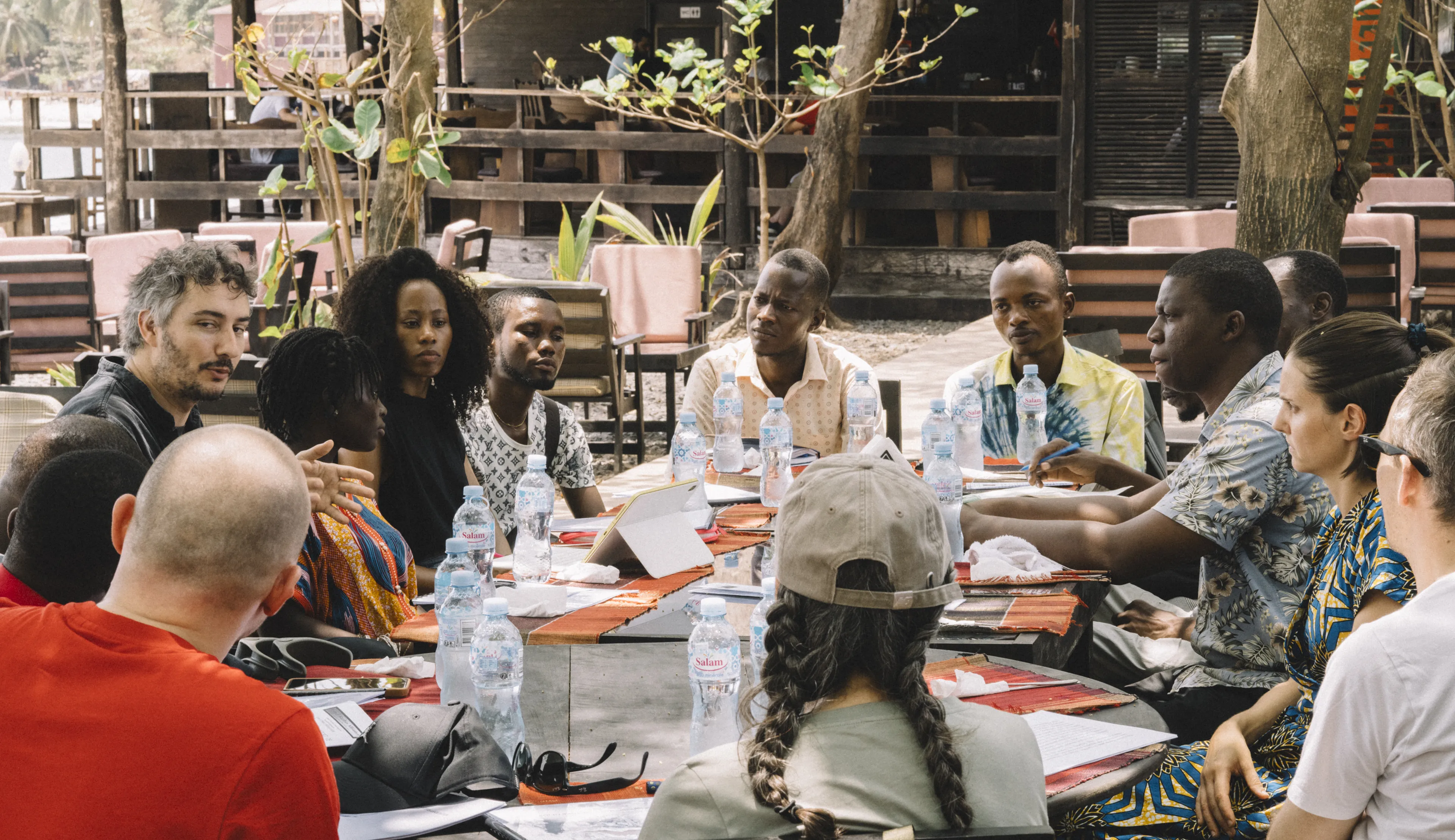
How We Work With Local Partners
We work closely with local organizations in every country we are in. We support communities through local partners and this is how we do it together.