Loading Social Income...
Our work
Recipient app
© 2026 Social Income · Registered Non-Profit in Switzerland
Platform partner

© 2026 Social Income · Registered Non-Profit in Switzerland
Loading Social Income...
Loading Social Income...
© 2026 Social Income · Registered Non-Profit in Switzerland
Platform partner
© 2026 Social Income · Registered Non-Profit in Switzerland
Loading Social Income...
Eliminating poverty is at the core of our approach
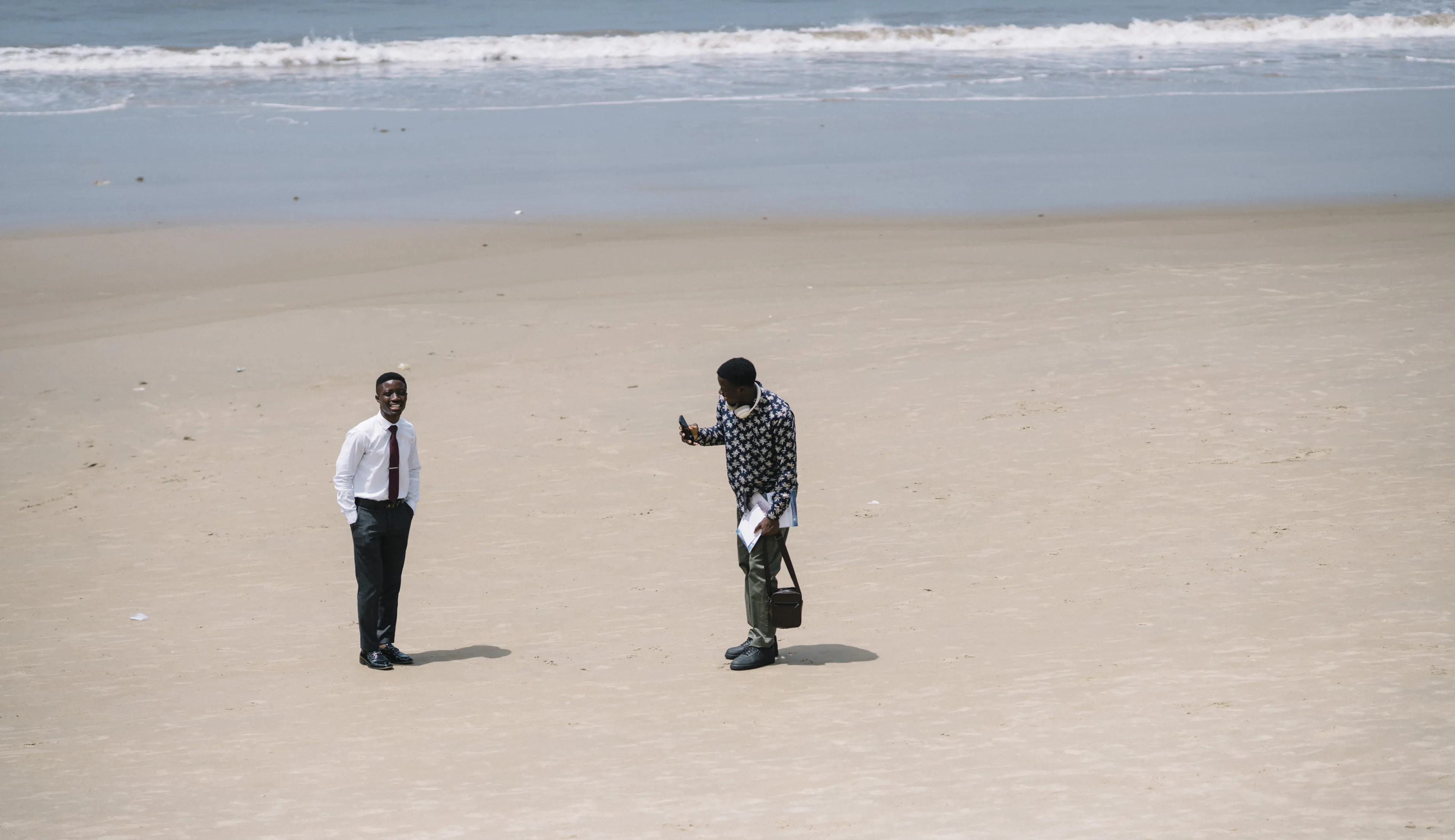
In 2026, about 811 million people live on less than $3.00 a day. One in ten of us. A number that has barely moved since the pandemic.
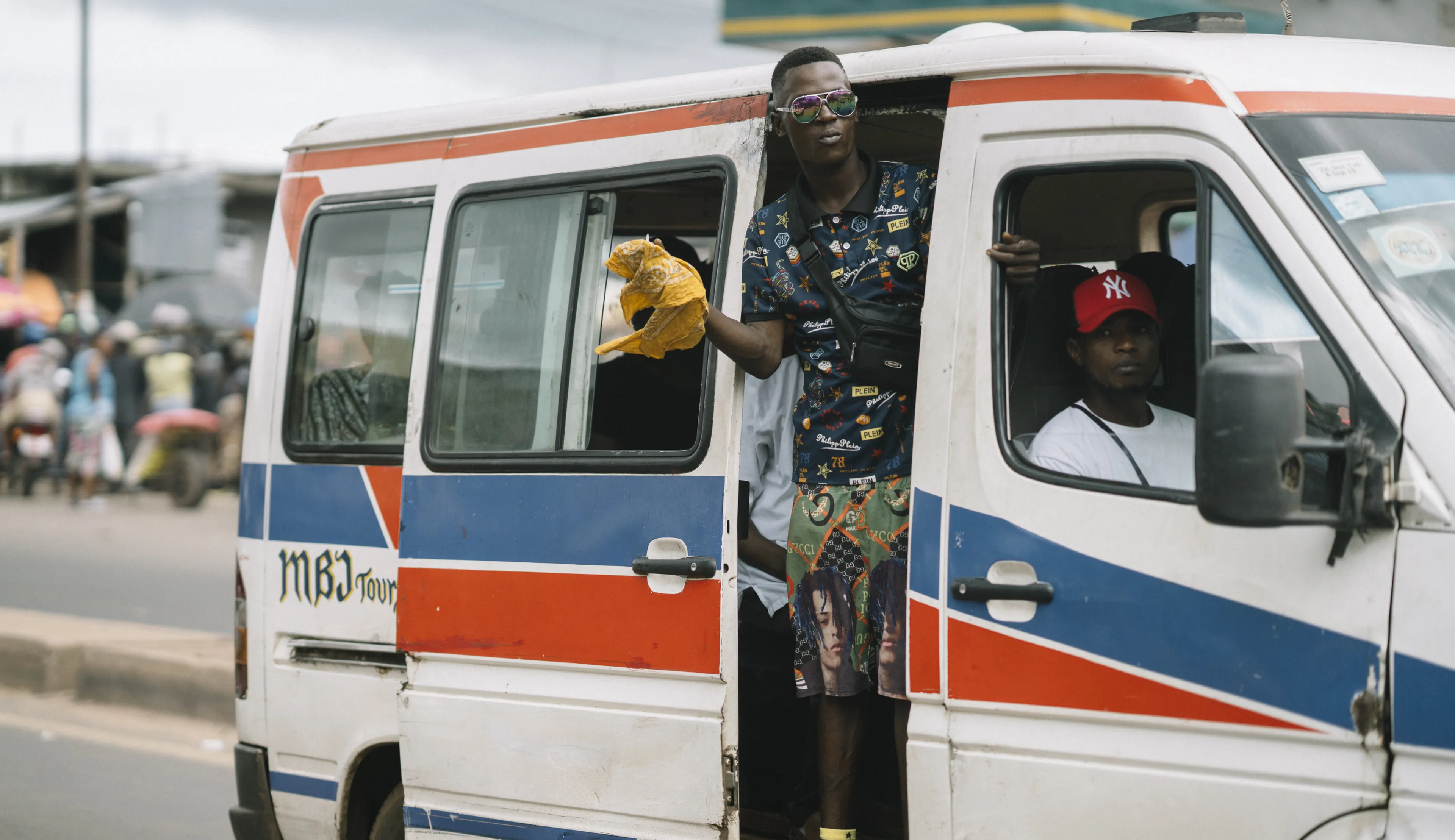
Mobile money is more than just convenience. It enables a whole new form of giving.

Scott Santens says talent just needs a floor to stand on. He's right. But this floor matters most exactly where it's rarest: in the places Social Income works.
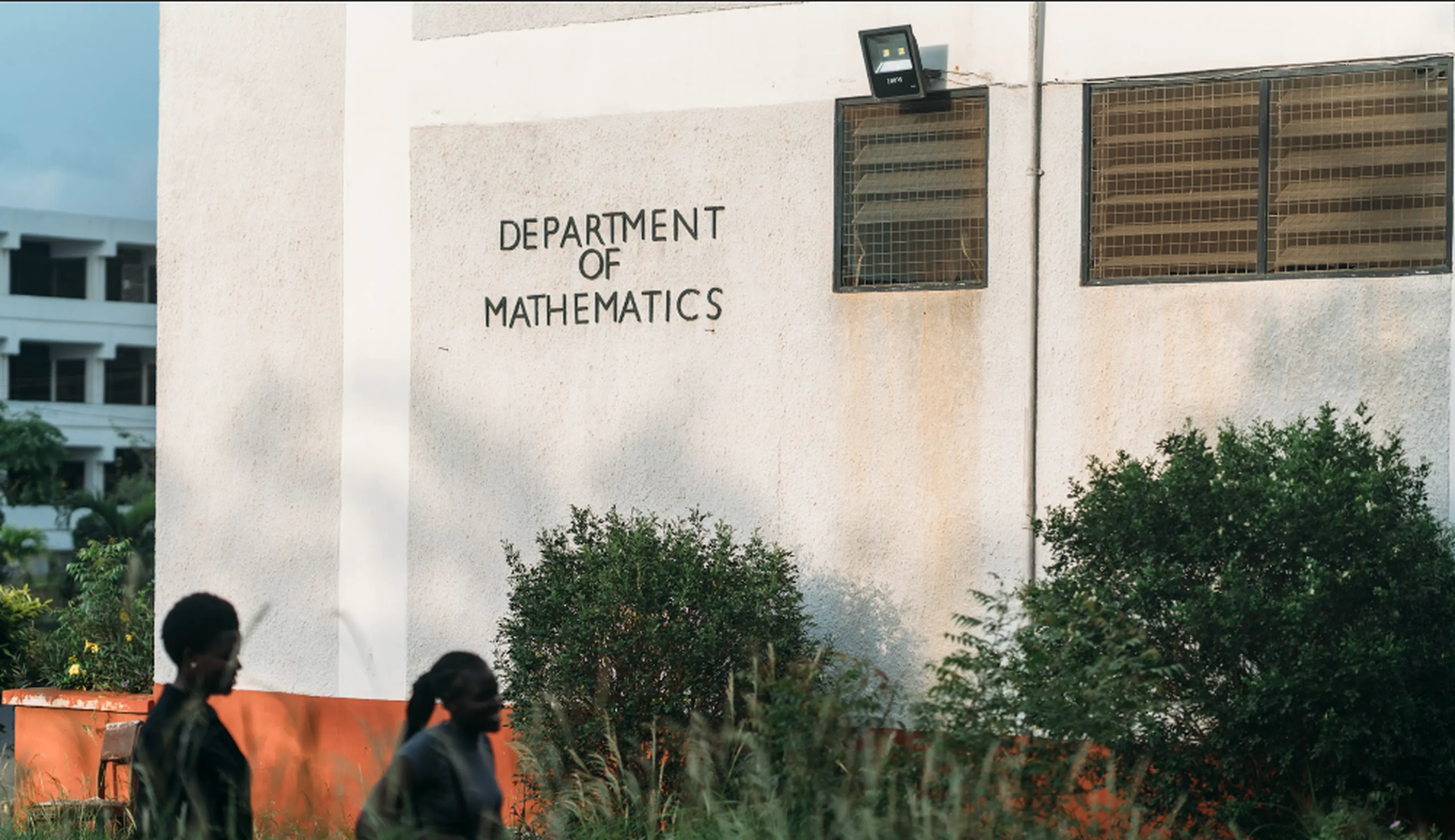
There's no such thing as a perfect number. But there are ways to arrive at an amount that's grounded in local reality while remaining honest about limits. Here's how we get there.
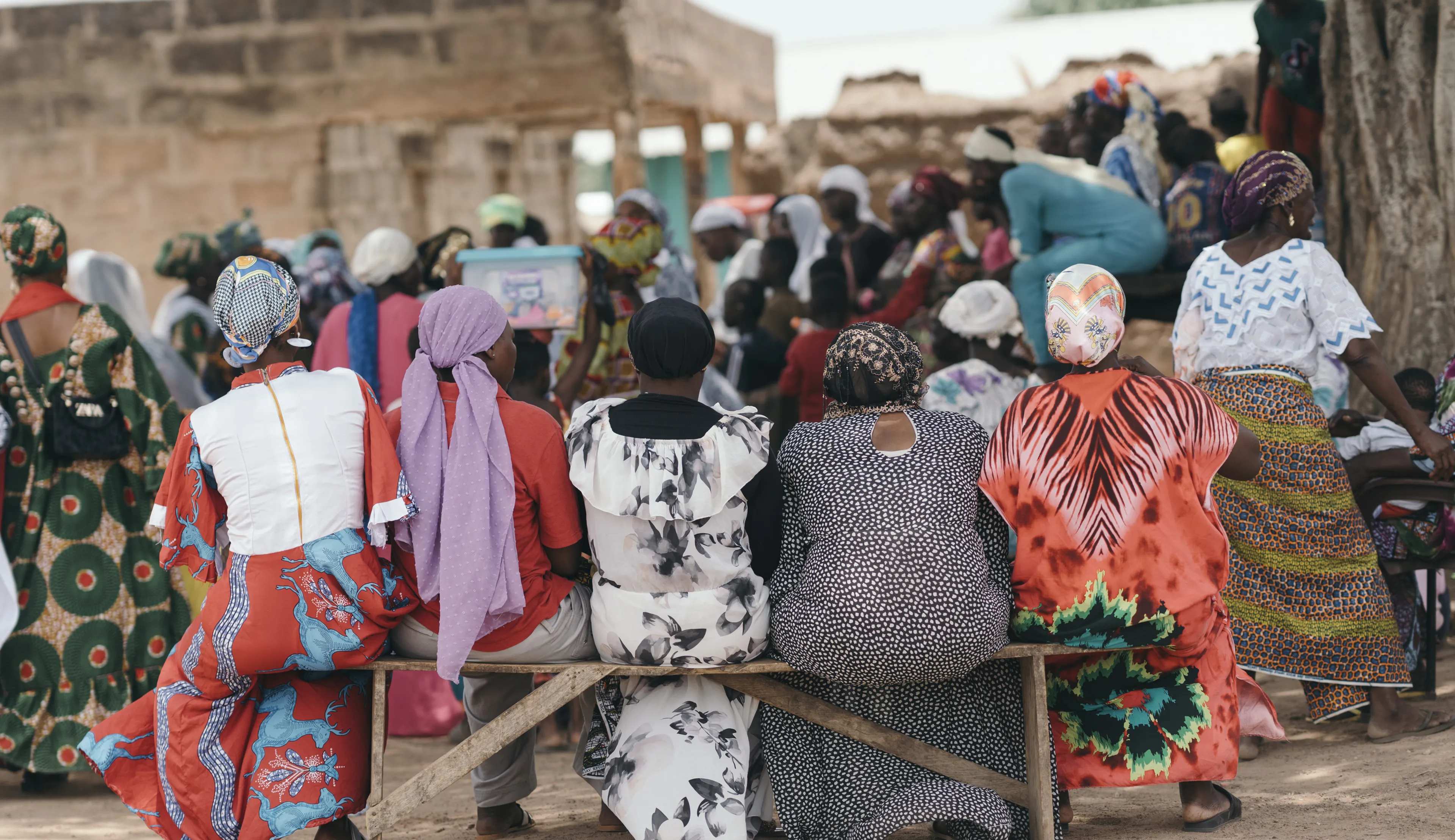
Hunger fell, poverty stood still and aid dropped by almost a quarter. Global poverty in 2026, by the numbers.
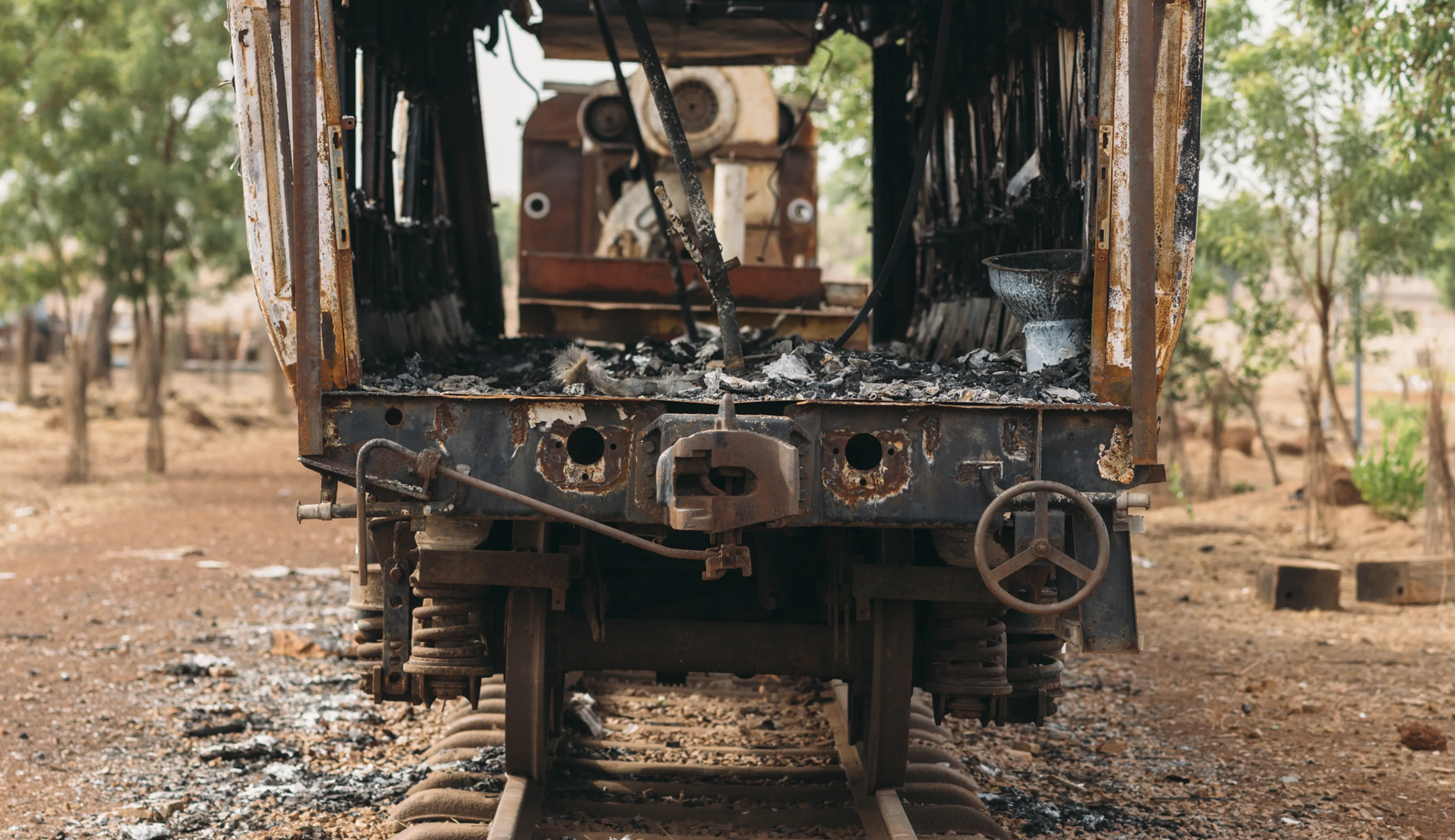
Sending cash to sub Saharan Africa costs close to 8%. The UN promised to get that number under 3% by 2030. Fifteen years in, it has barely decreased.
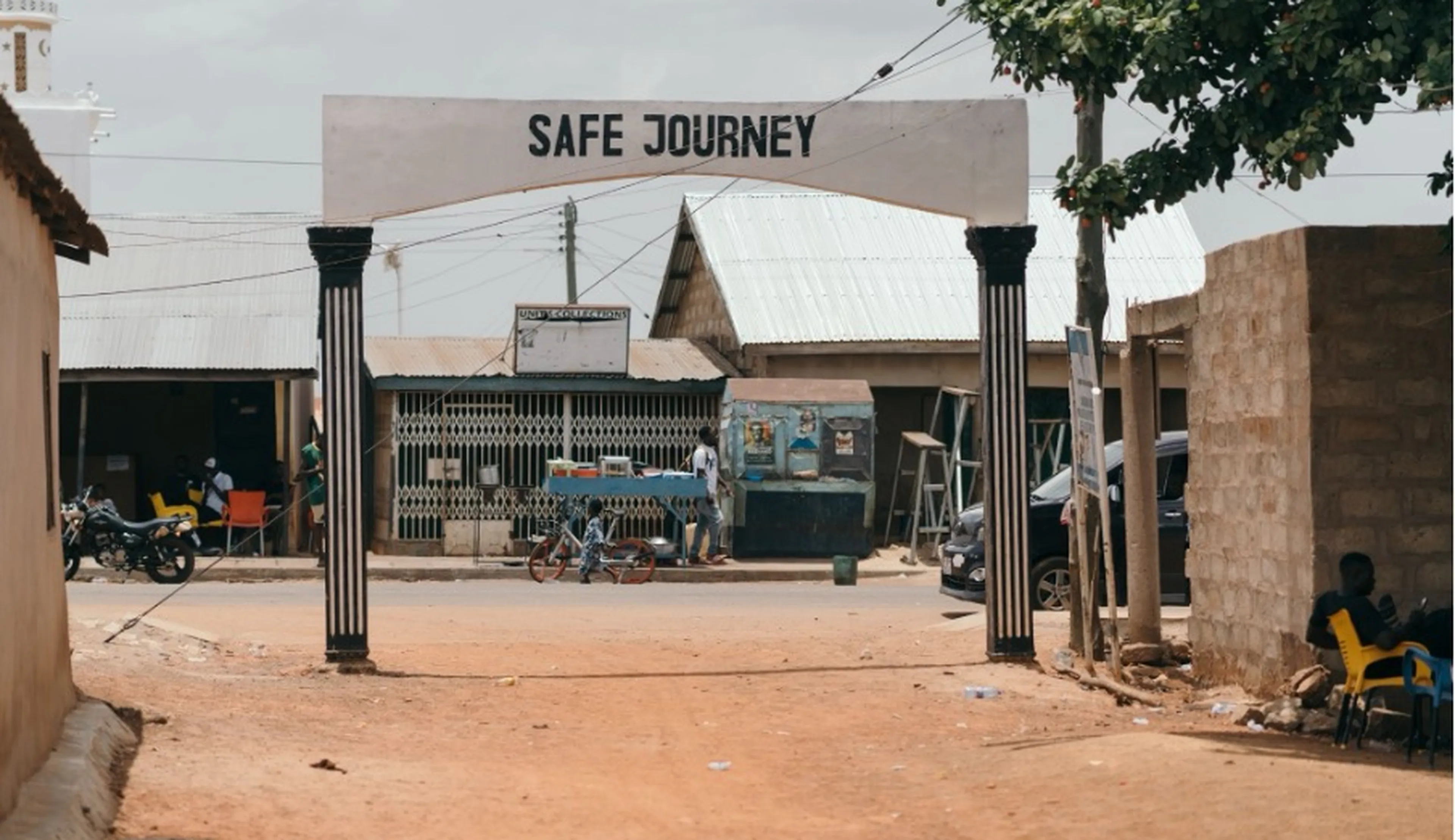
The world’s largest cash transfer system isn’t run by governments or NGOs. It is run by diaspora communities sending money home. And it already reaches hundreds of millions of people.
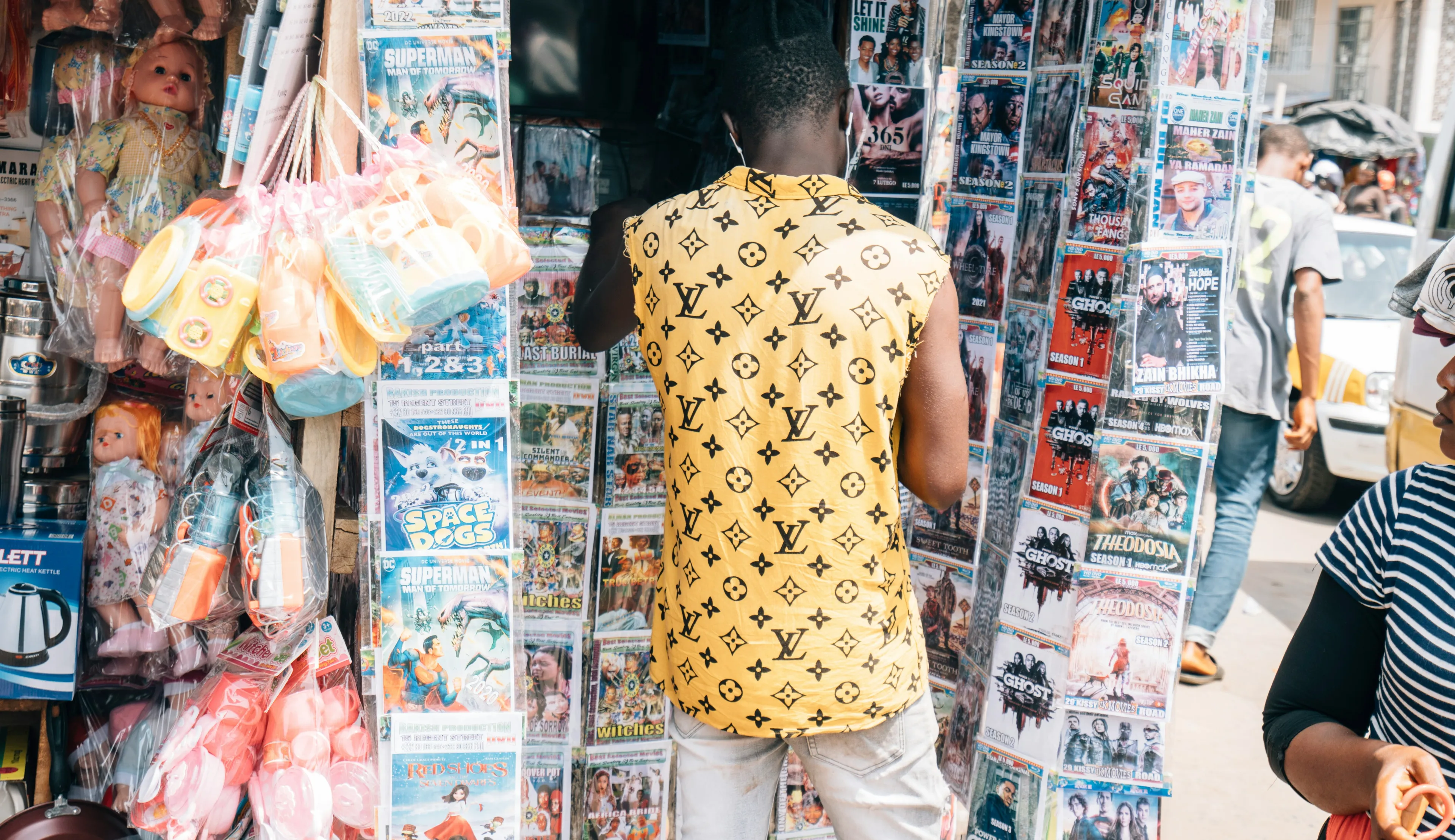
A suggested reading list to provide a foundational understanding on topics such as Social Income, Basic Income, financial aid, and poverty

A child’s simplistic question. A complicated father. And a lot of research. Thinking about history, institutions, geography, and ideas.
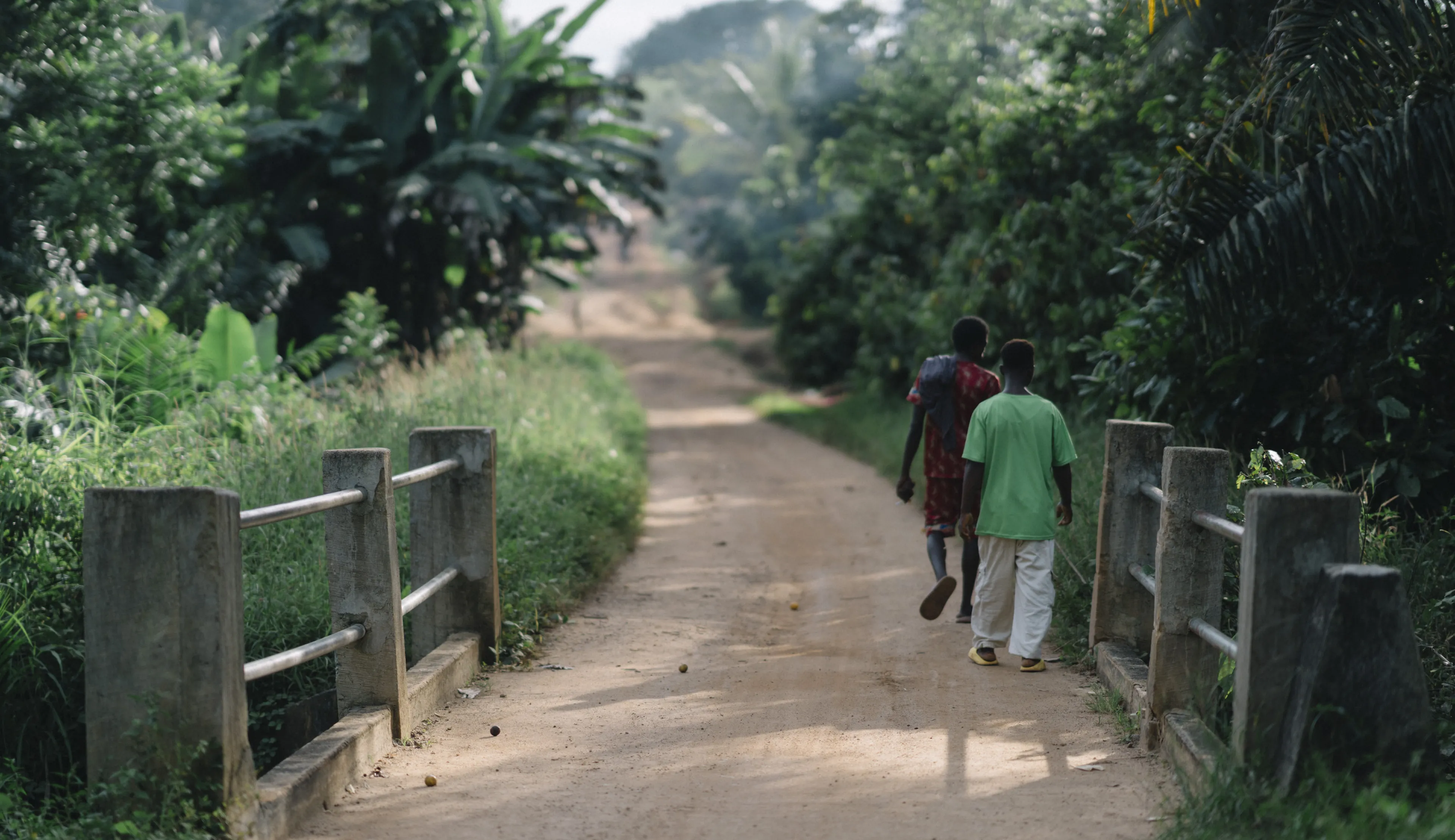
Tim Marshall’s Prisoners of Geography portrays geography as profoundly dictating the range of options available to a nation.
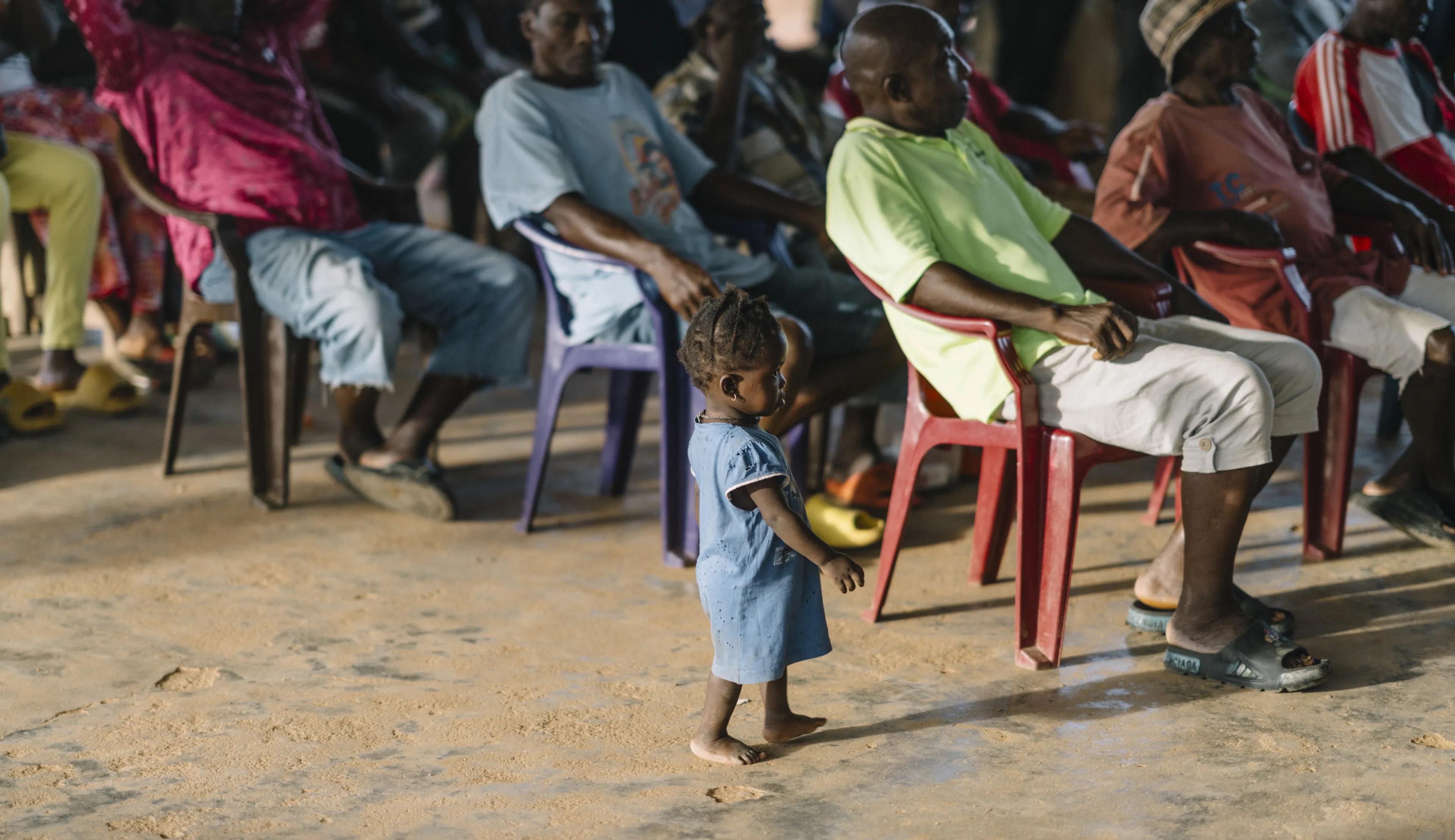
How cash transfers can transform lives over decades.
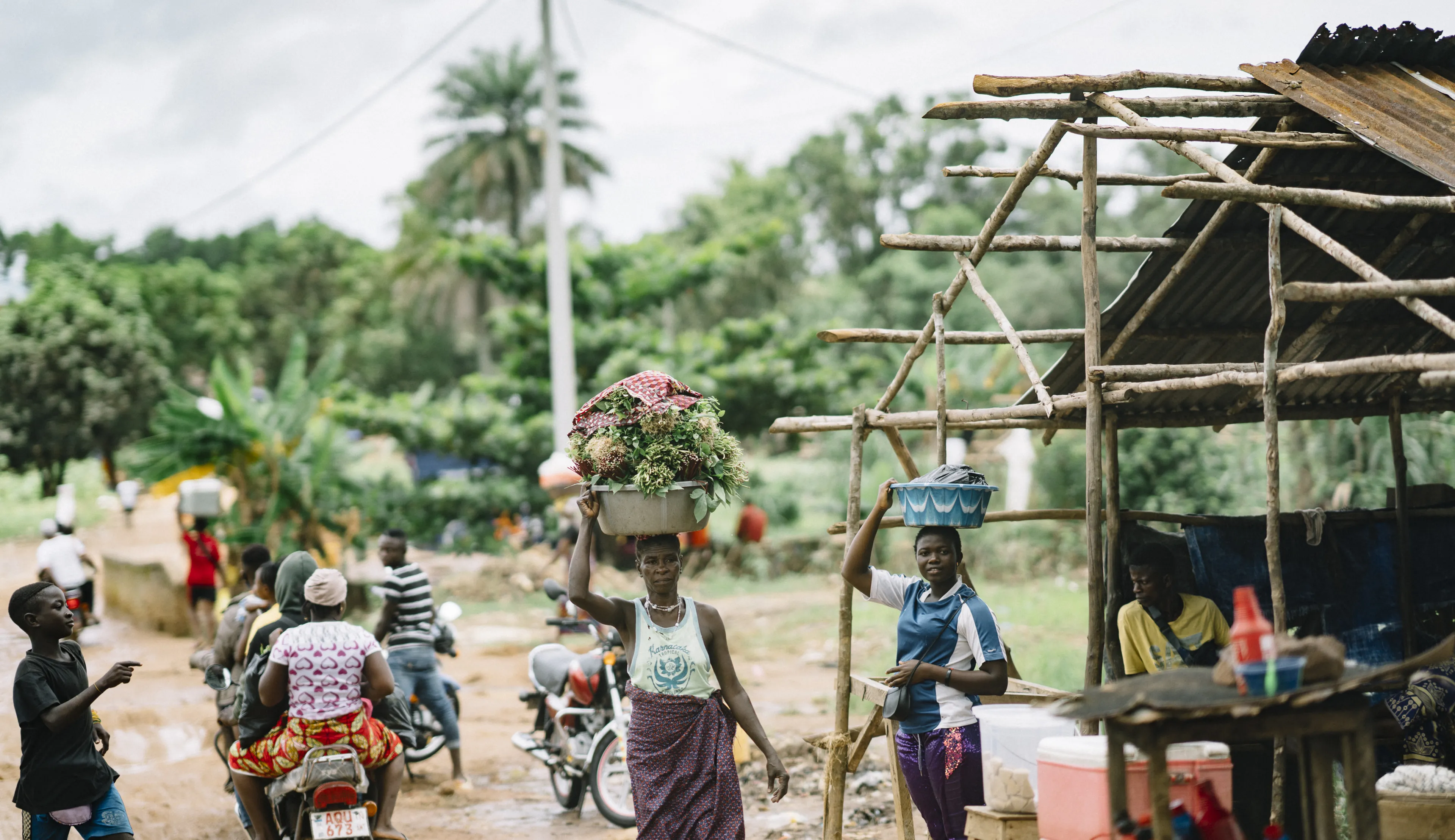
Savings groups reach 13 million people in places banks never went. Here is what the research says they do, where they fail, and why we still don’t run them.
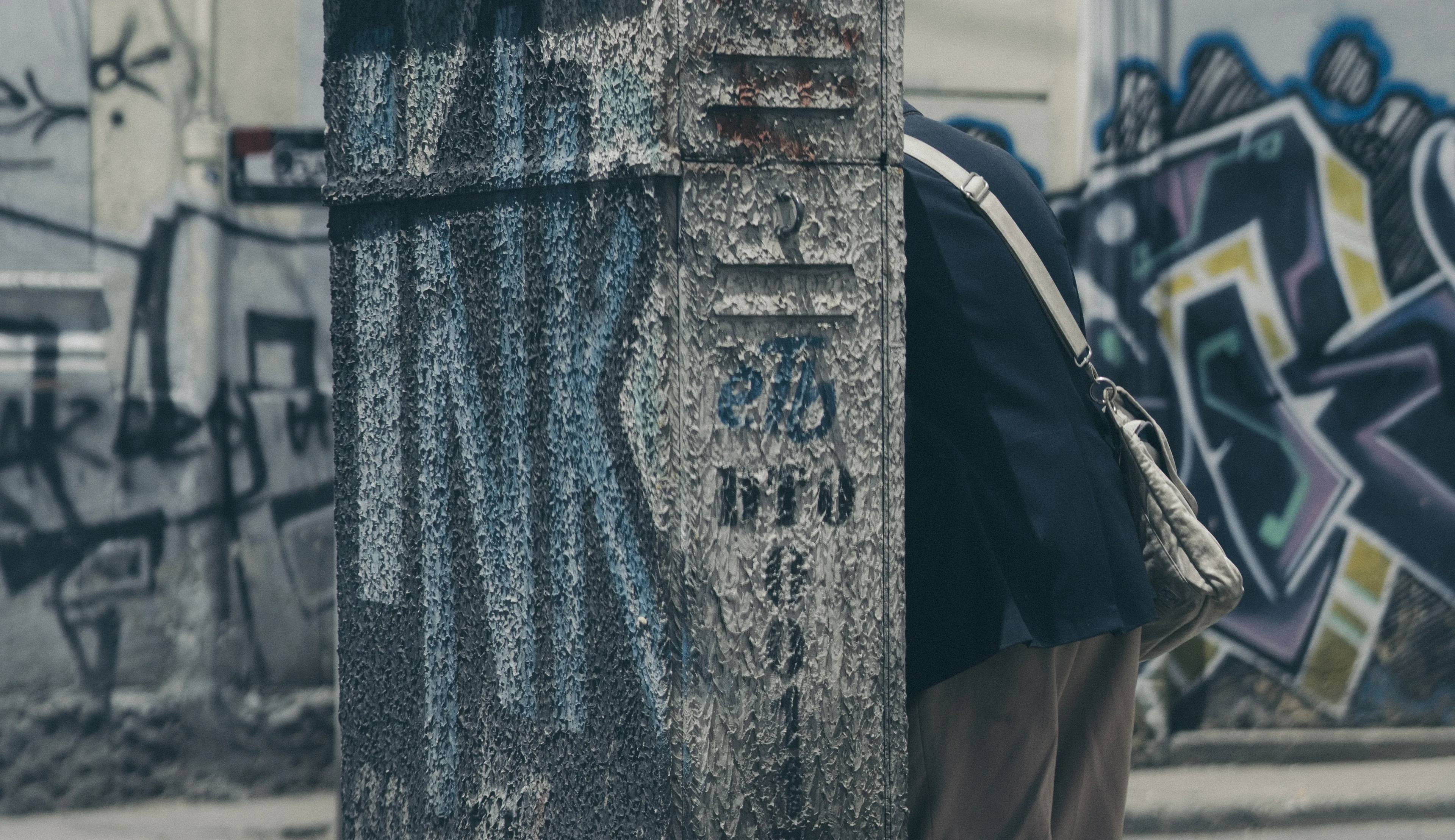
Why is something so basic as an ID still out of reach for so many? And how do we make sure identification rules don’t end up excluding the very people they’re supposed to support?
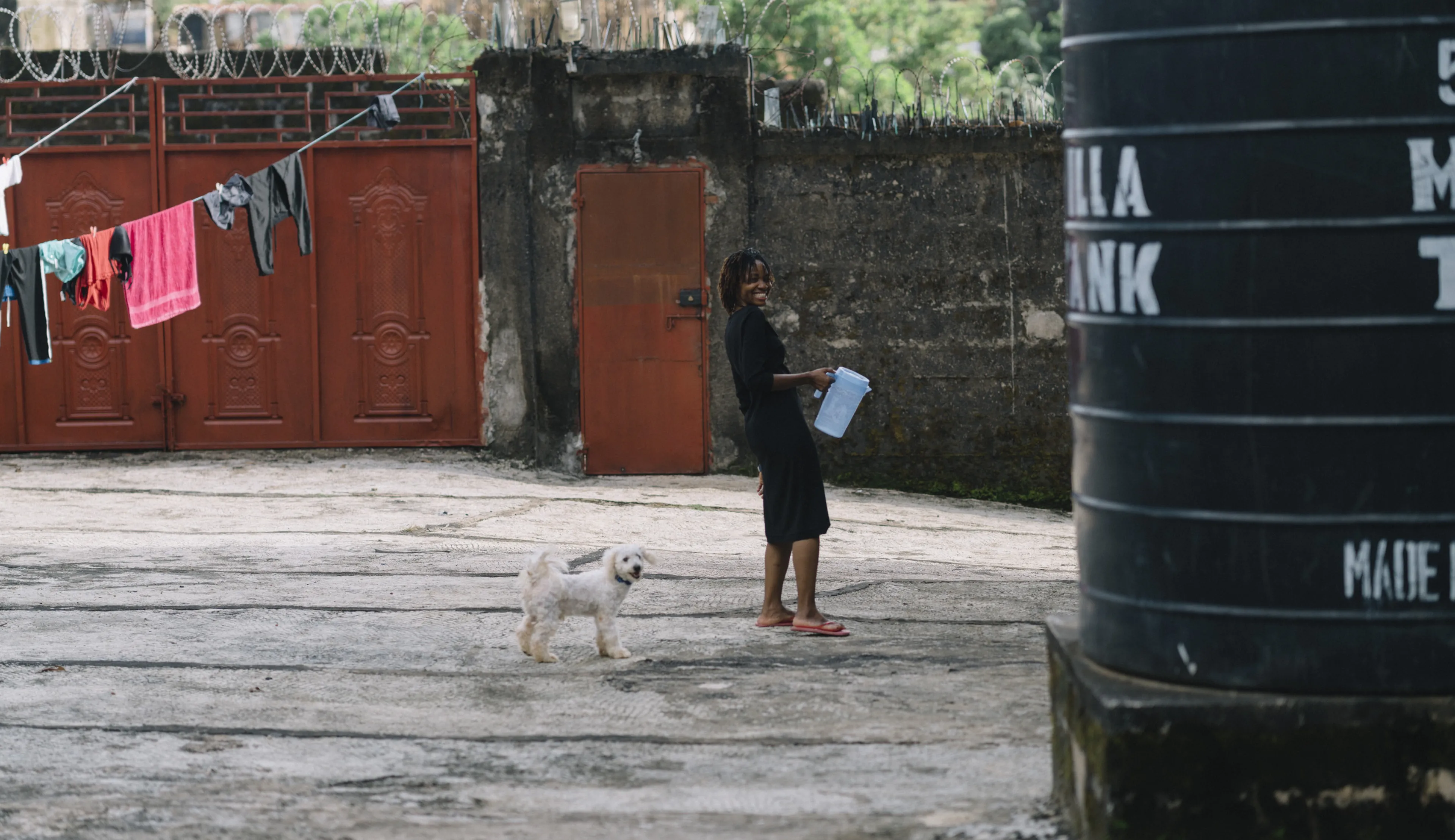
25 countries have halved multidimensional poverty within 15 years. That kind of progress is rare, and it matters.
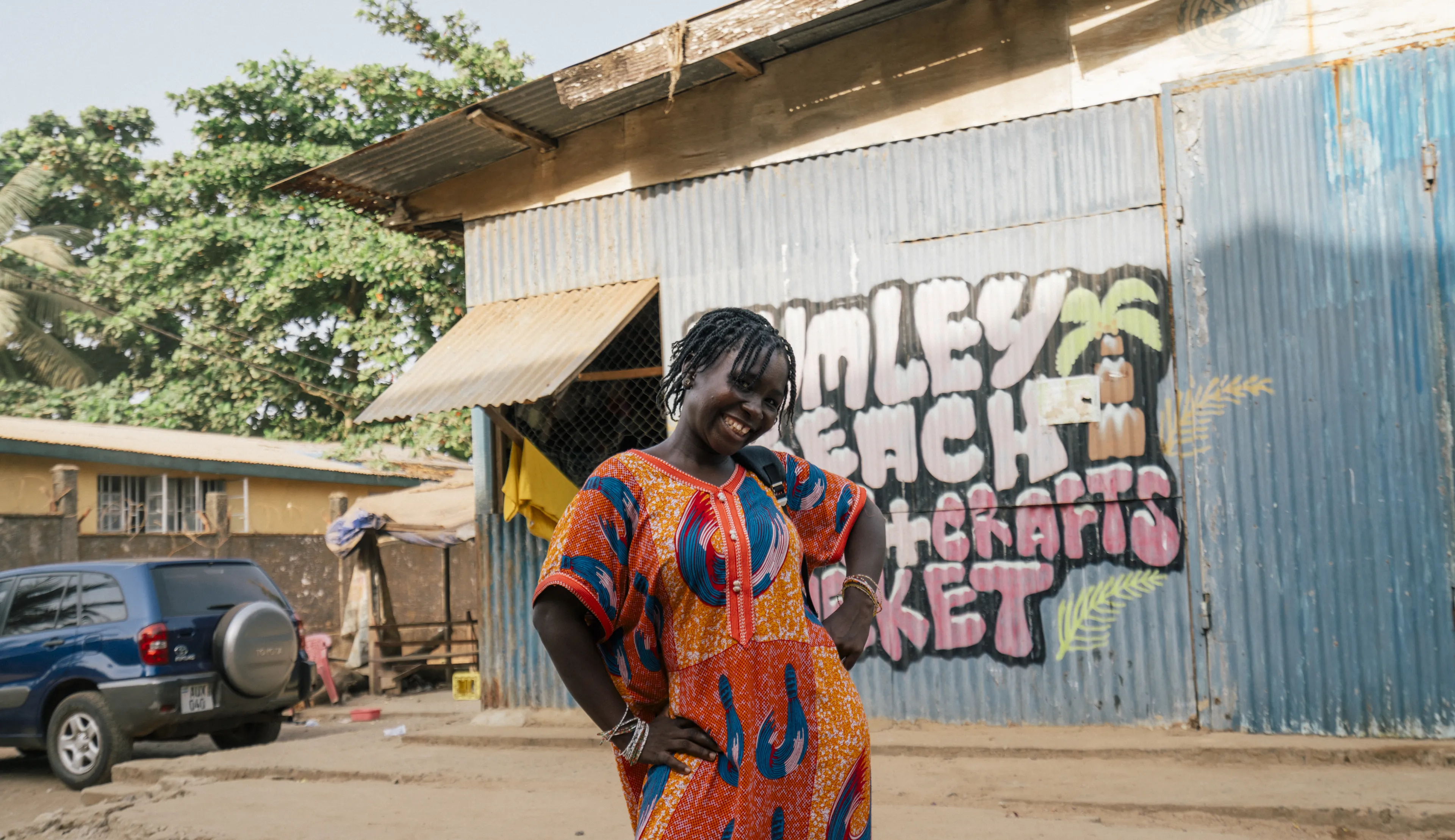
Social Income did not begin as an art project, but it did begin within the arts. Our first recipients were young struggling artists in Sierra Leone who faced financial pressure.
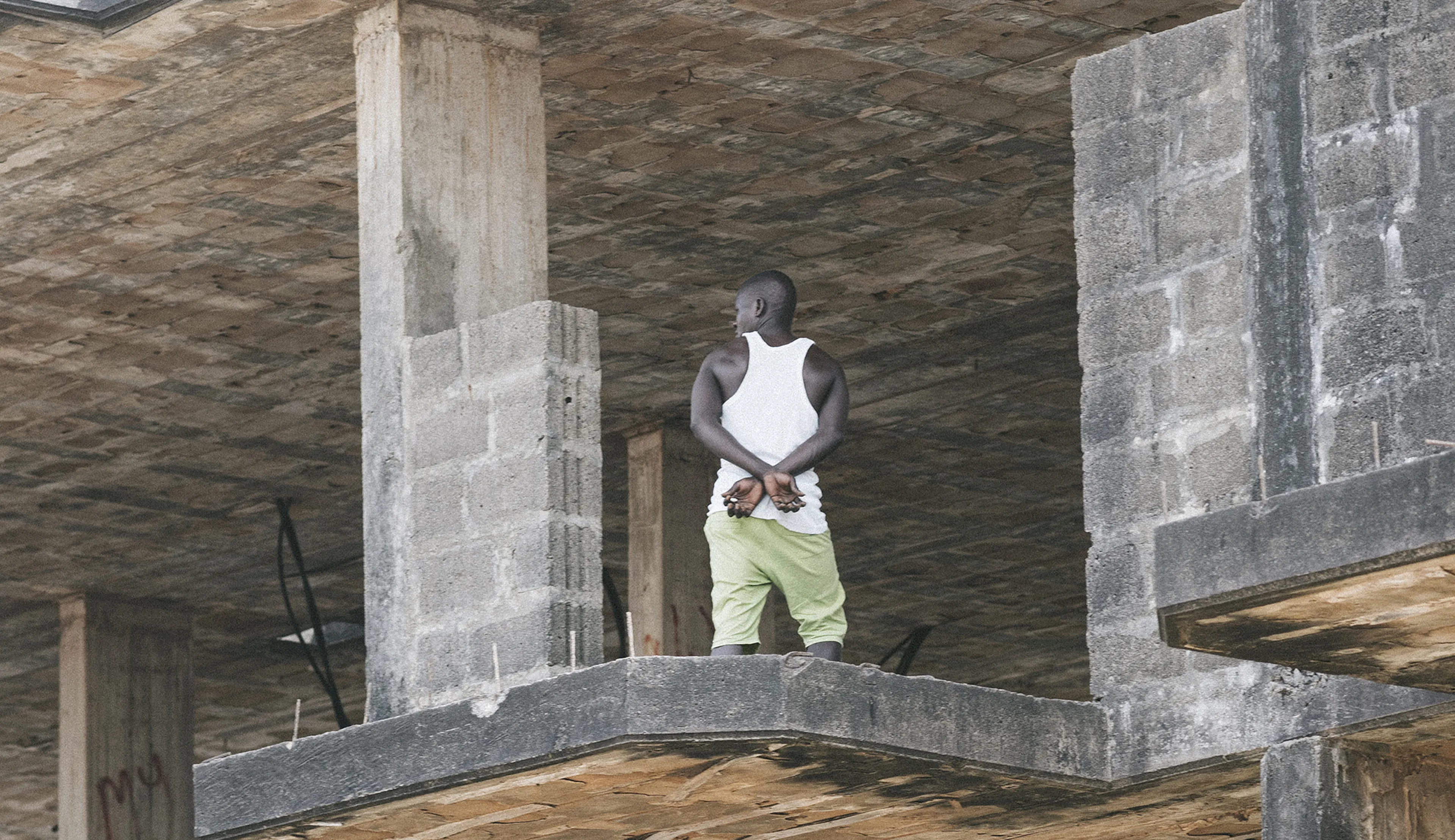
The collapse of USAID has shaken the aid world. It also raises an uncomfortable question: Is it time to trust local people?
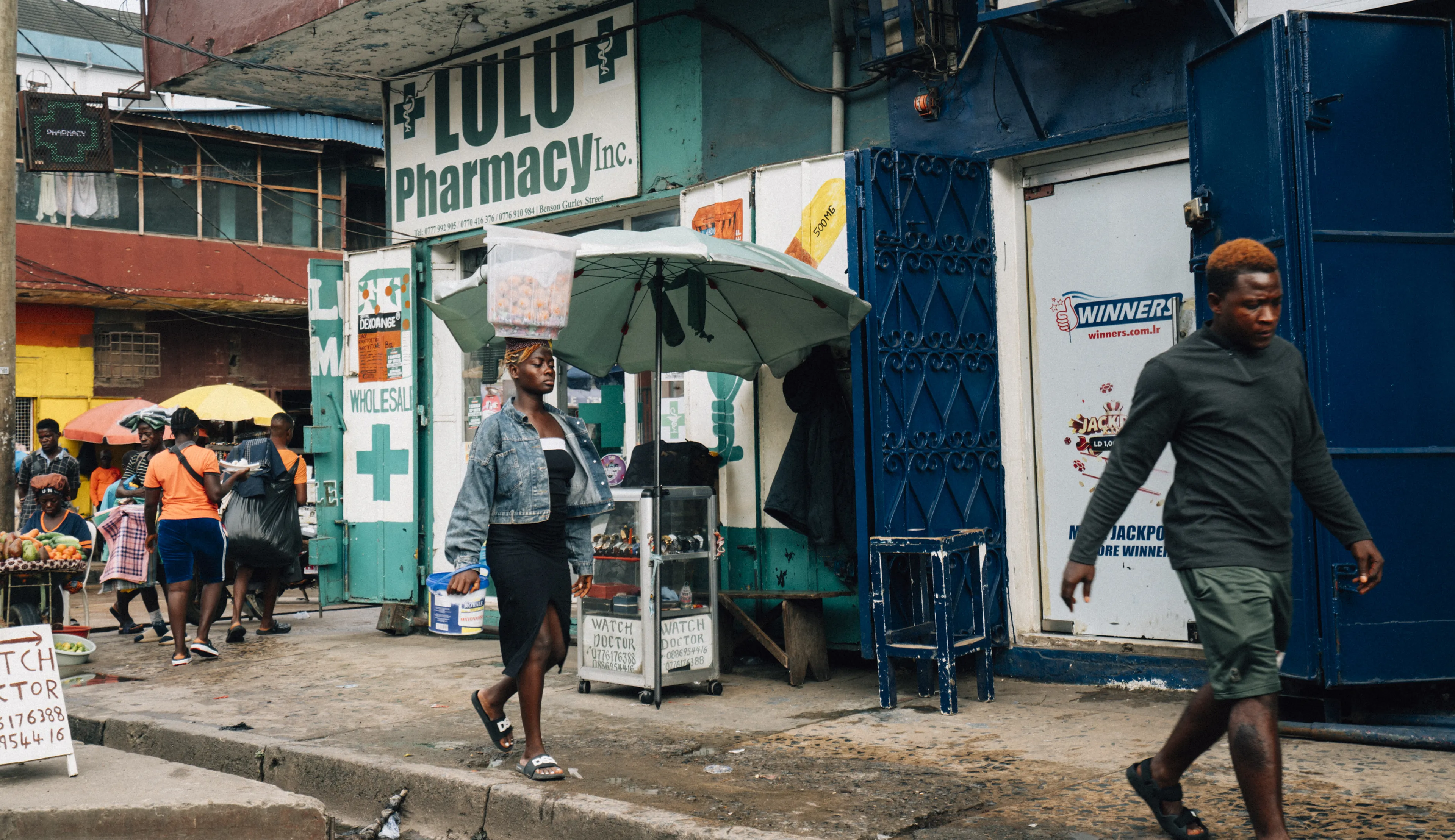
In June 2025, the official count of the world's extreme poor jumped by 125 million overnight. Nobody lost a cent. The ruler changed.
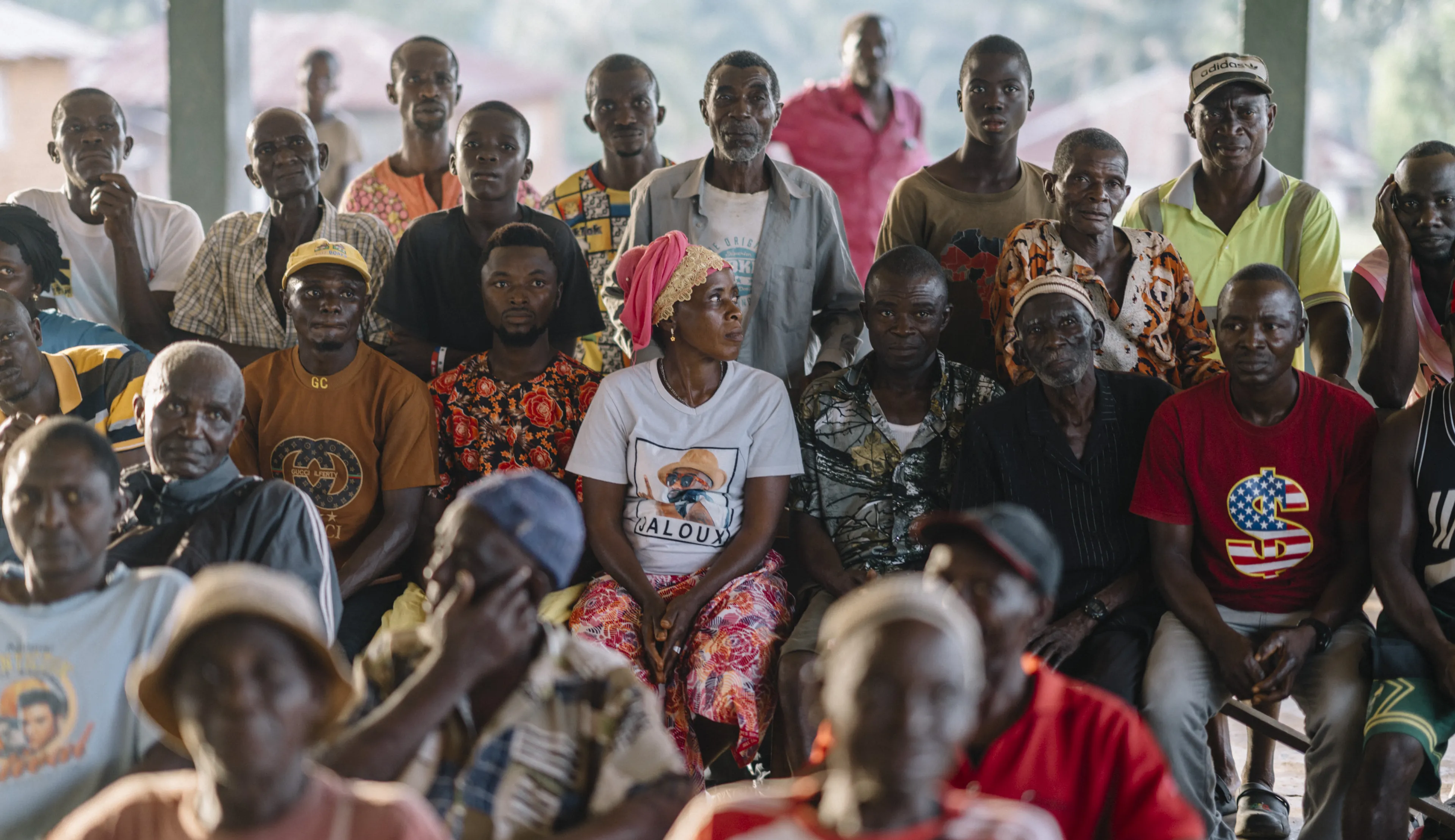
Nearly half of sub Saharan Africa in extreme poverty, 673 million going hungry, 1.1 billion poor beyond income. Global poverty in 2025, by the numbers.
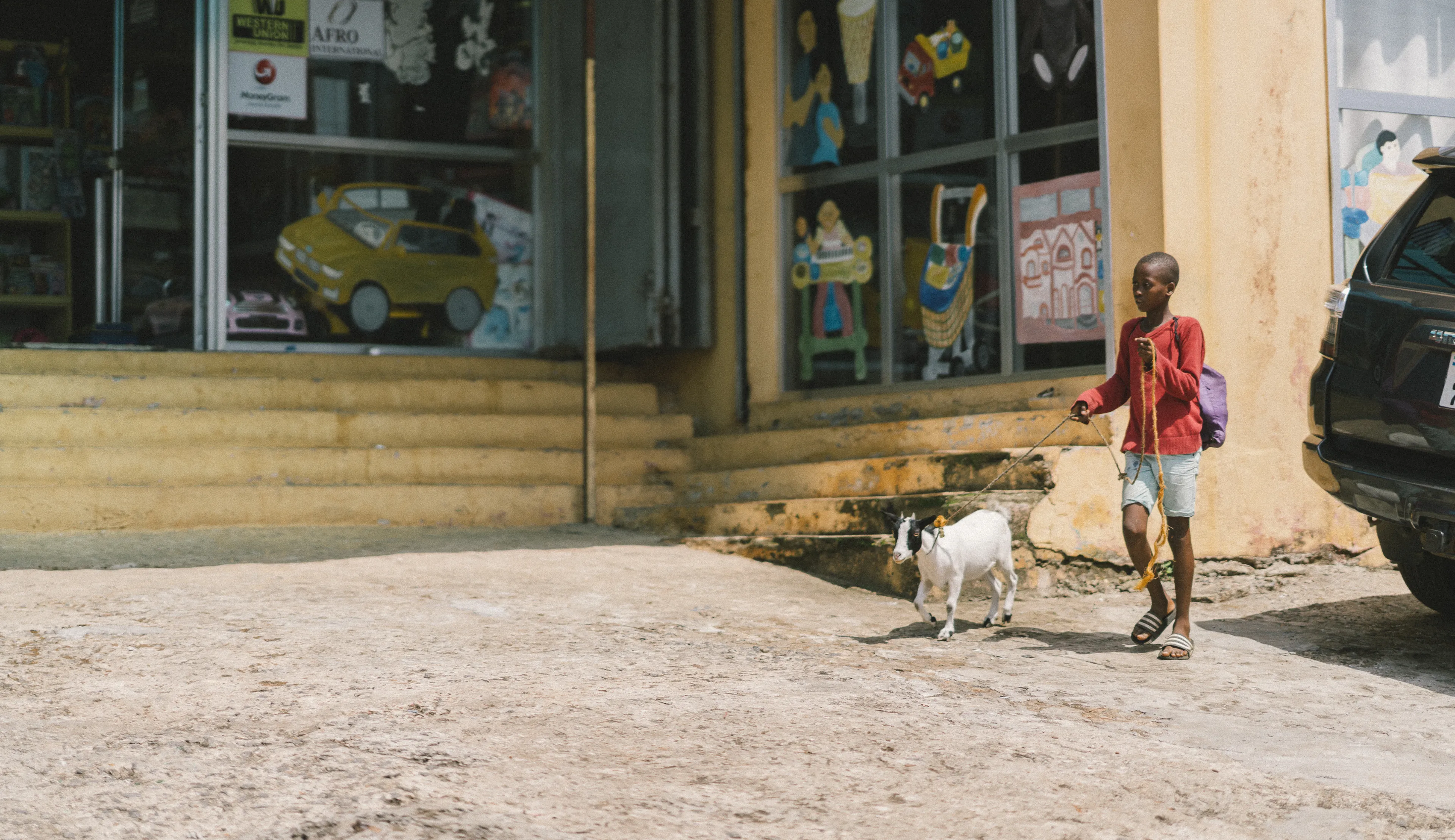
The climate migration story we keep telling ourselves may be wrong. A researcher at ETH Zurich has the data to prove it
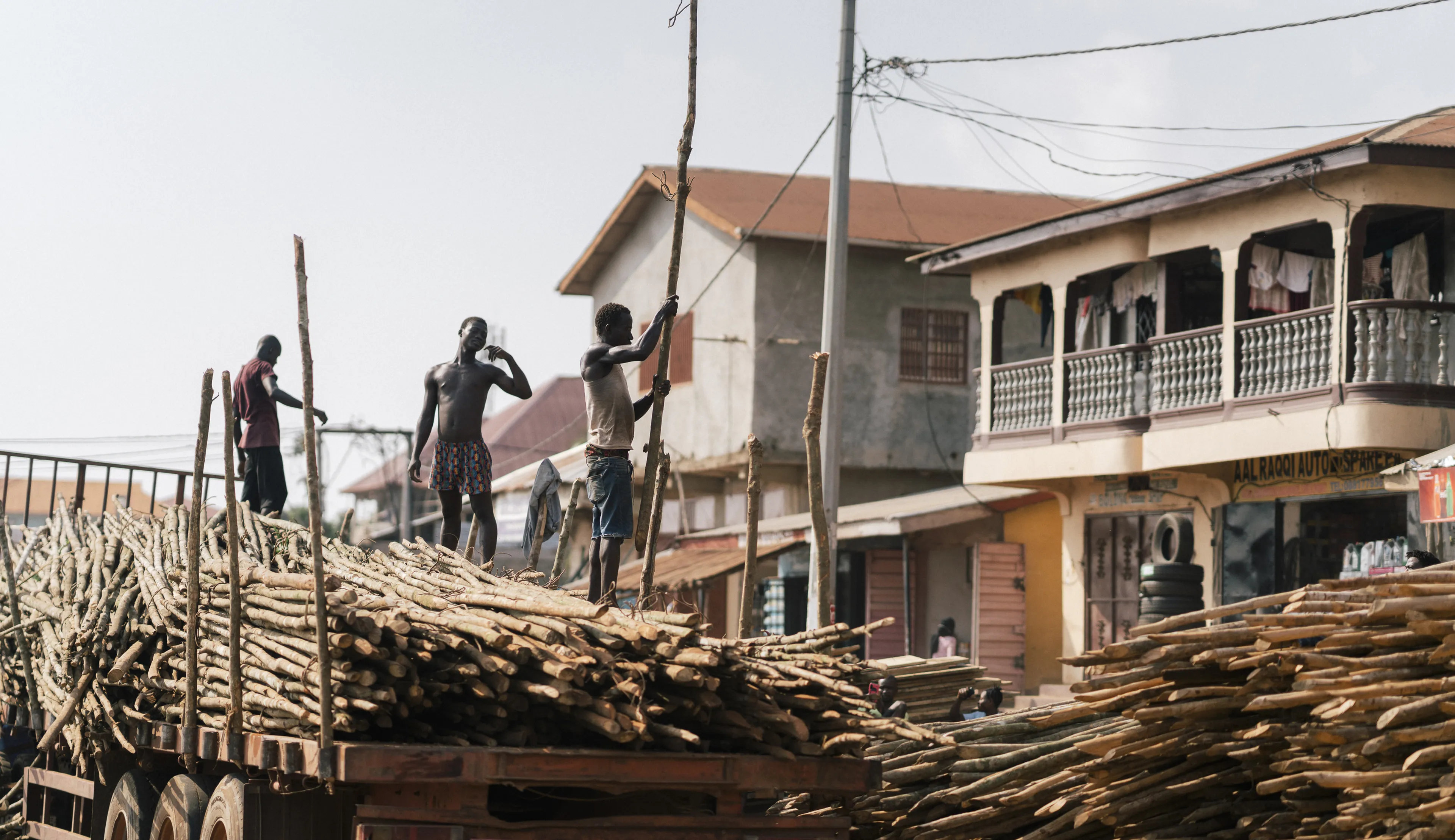
In 2016, Swiss voters rejected a basic income for all, mostly over cost. What if the same idea, too expensive at home, could work where it’s needed most?
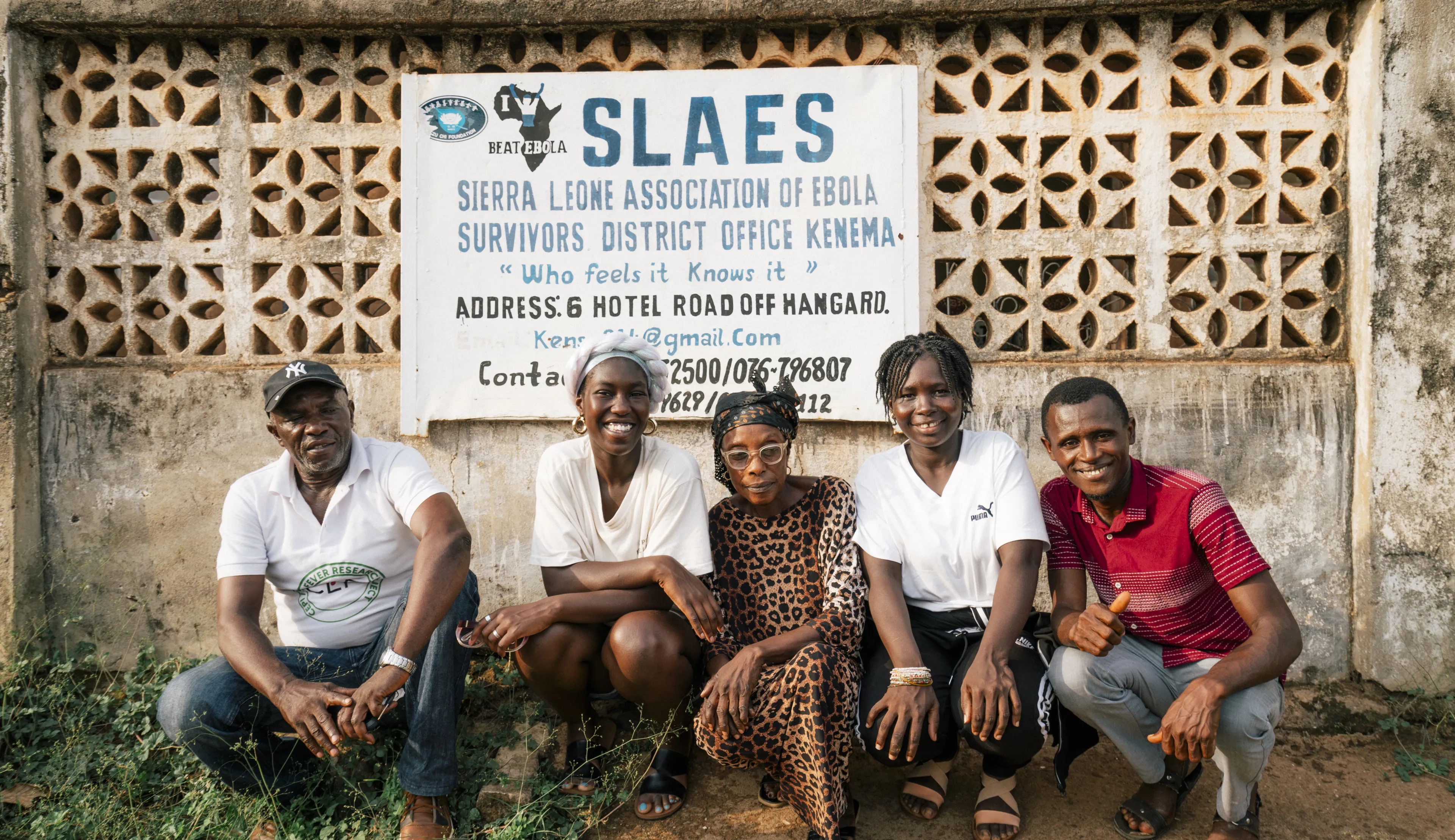
When Ebola swept through Sierra Leone, it left behind more than just loss: it tested the strength of an entire nation

Microcredits are meant to fight poverty. For the poorest, however, they often create more pressure than opportunity.

In a world where one Instagram Story can reach thousands and a single TikTok can go viral overnight, influencers hold a kind of digital megaphone that brands pay millions for.
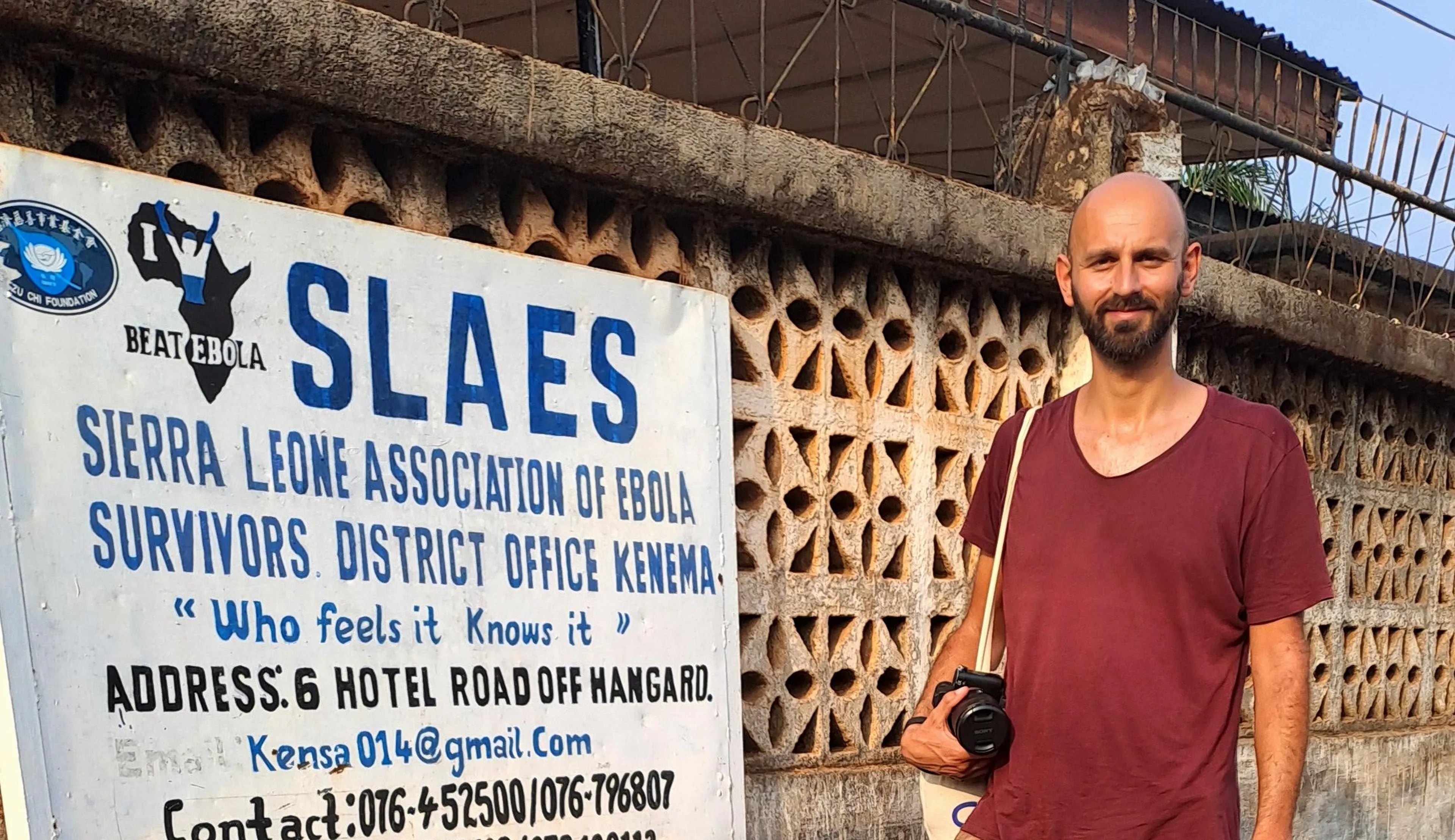
It started with a Wikipedia page that vanished as quickly as I found it. That moment led me to Social Income. Four years later, I share how it shaped my journey.
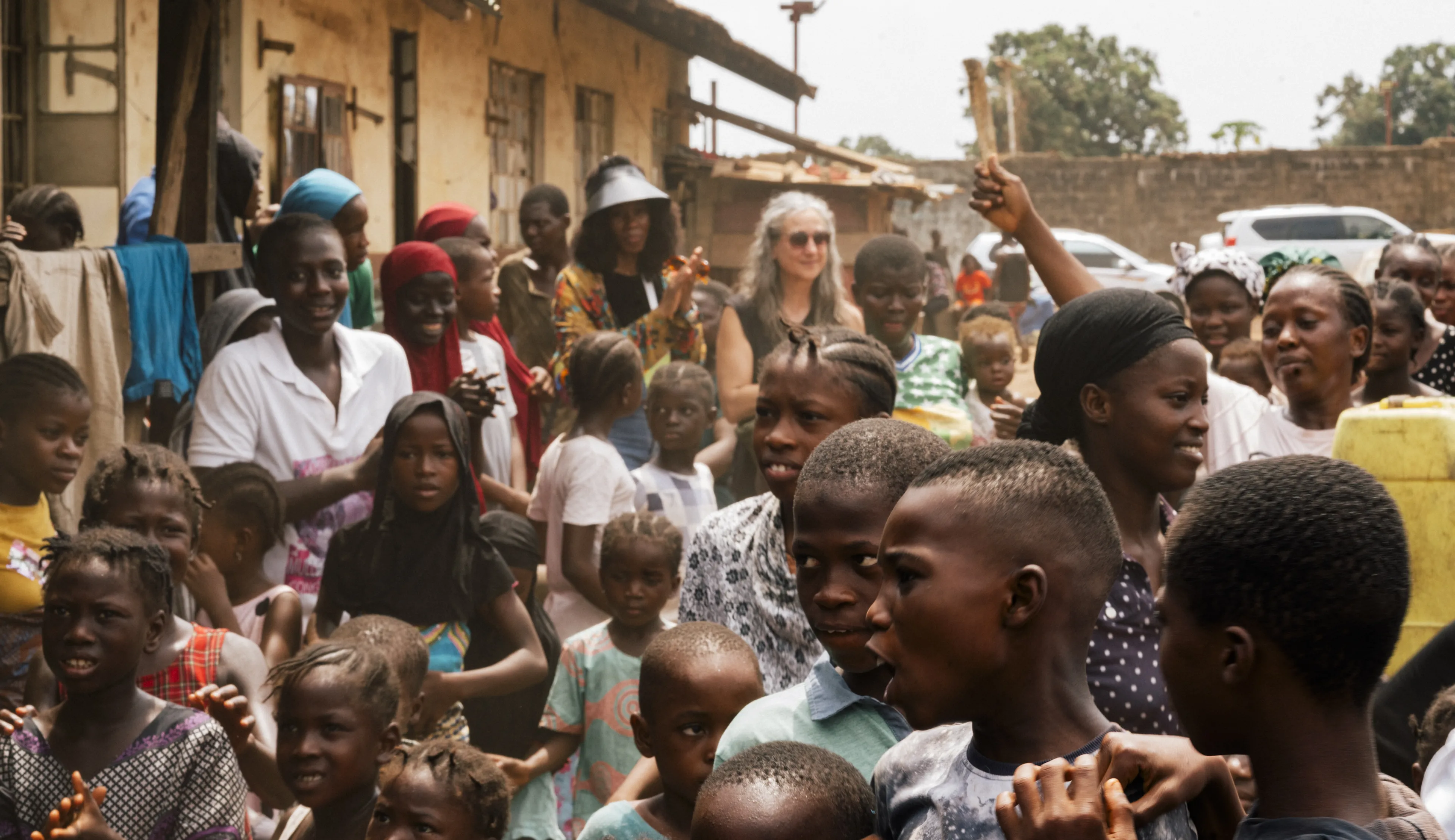
We all know the numbers. Millions live on less than two dollars a day. So why does almost none of us do anything about it?
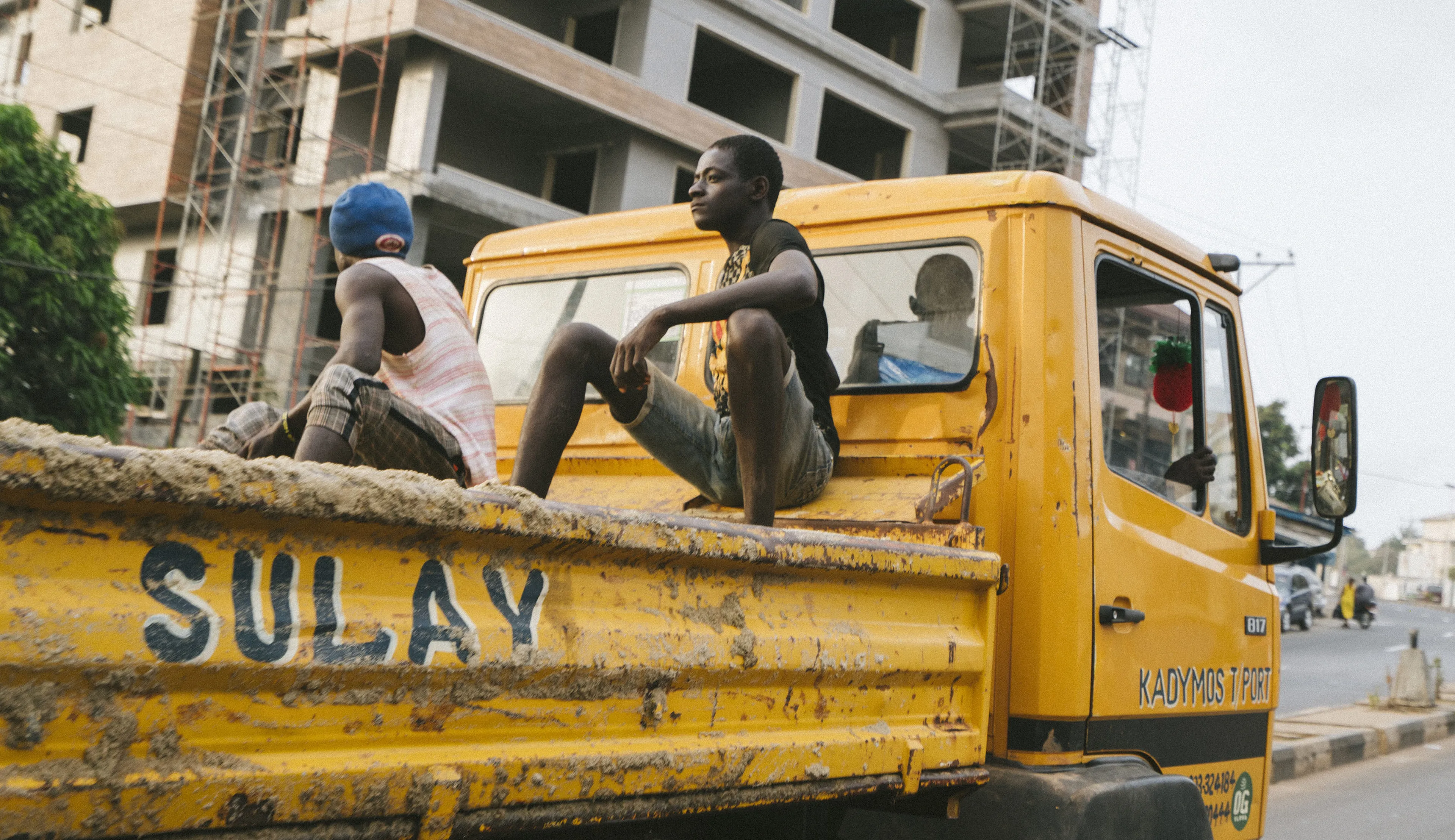
Direct cash transfers can be an effective tool for reducing income inequality because they provide financial support to those who are struggling to make ends meet.
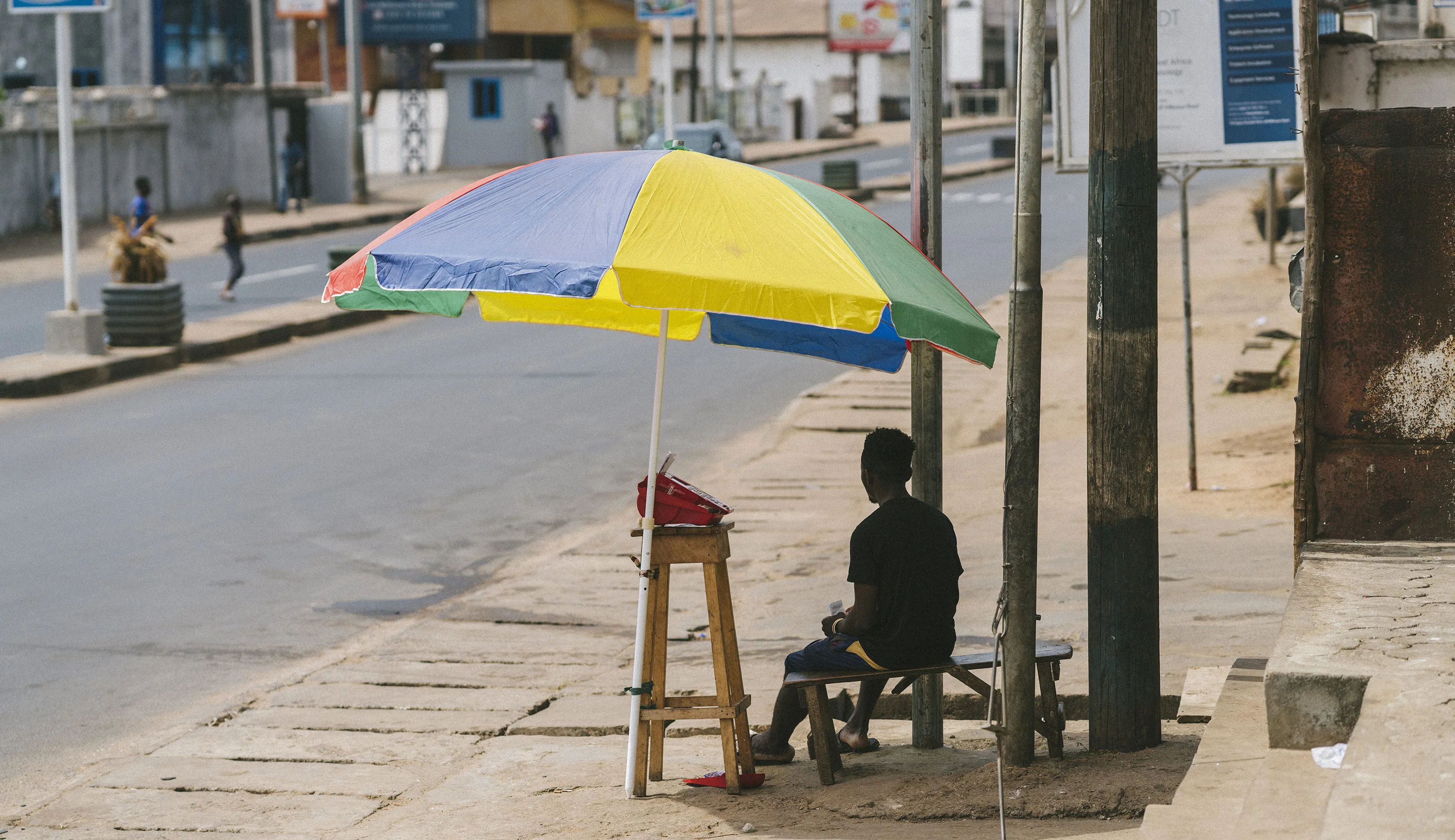
What does it mean to be poor? Two ways to measure it, two very different numbers, and one of the simplest tools that works: Cash.
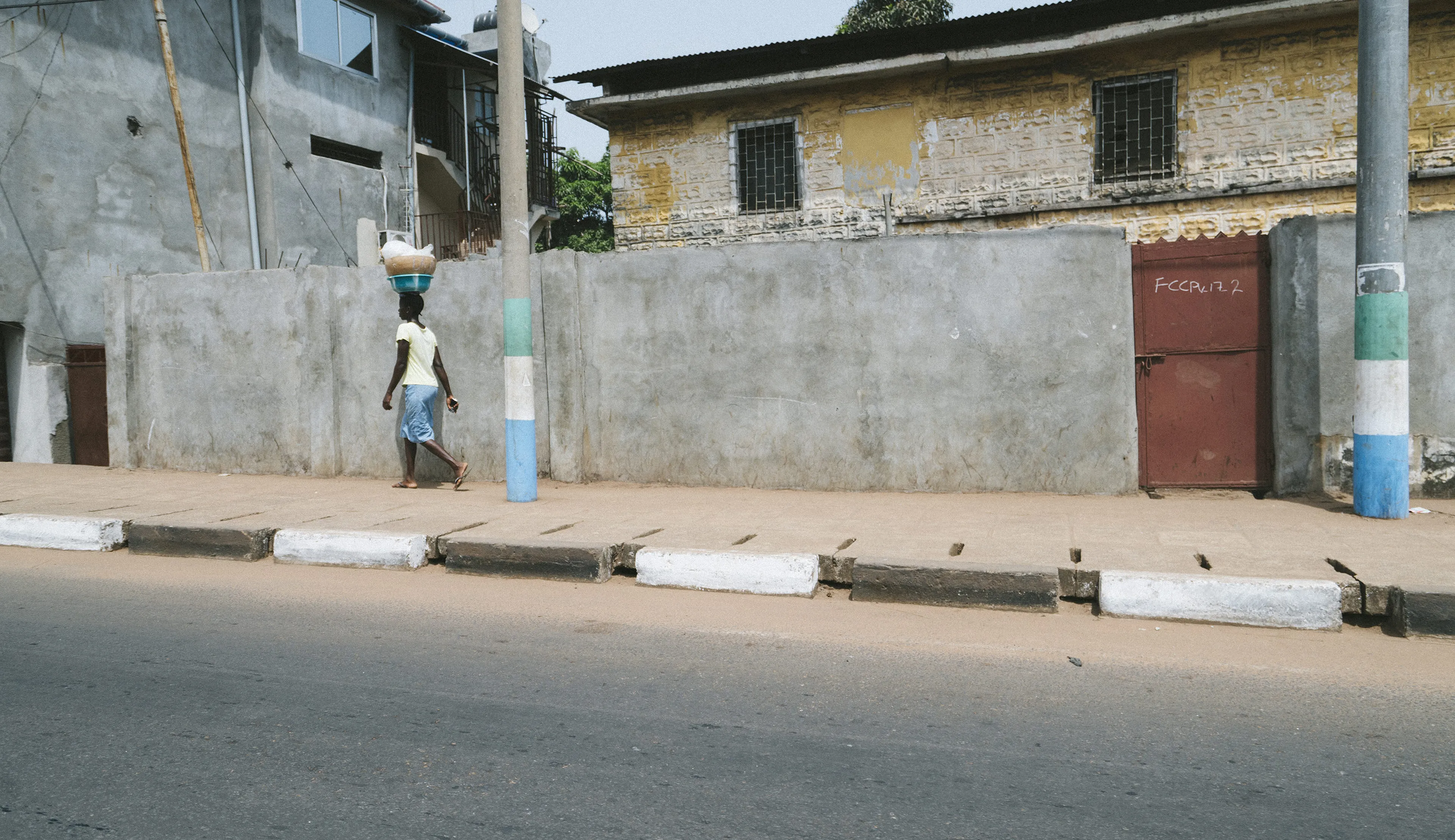
Social Income lets everyone participate in the fight against global poverty by contributing 1% of their income, which is paid out directly to the phones of people in need.
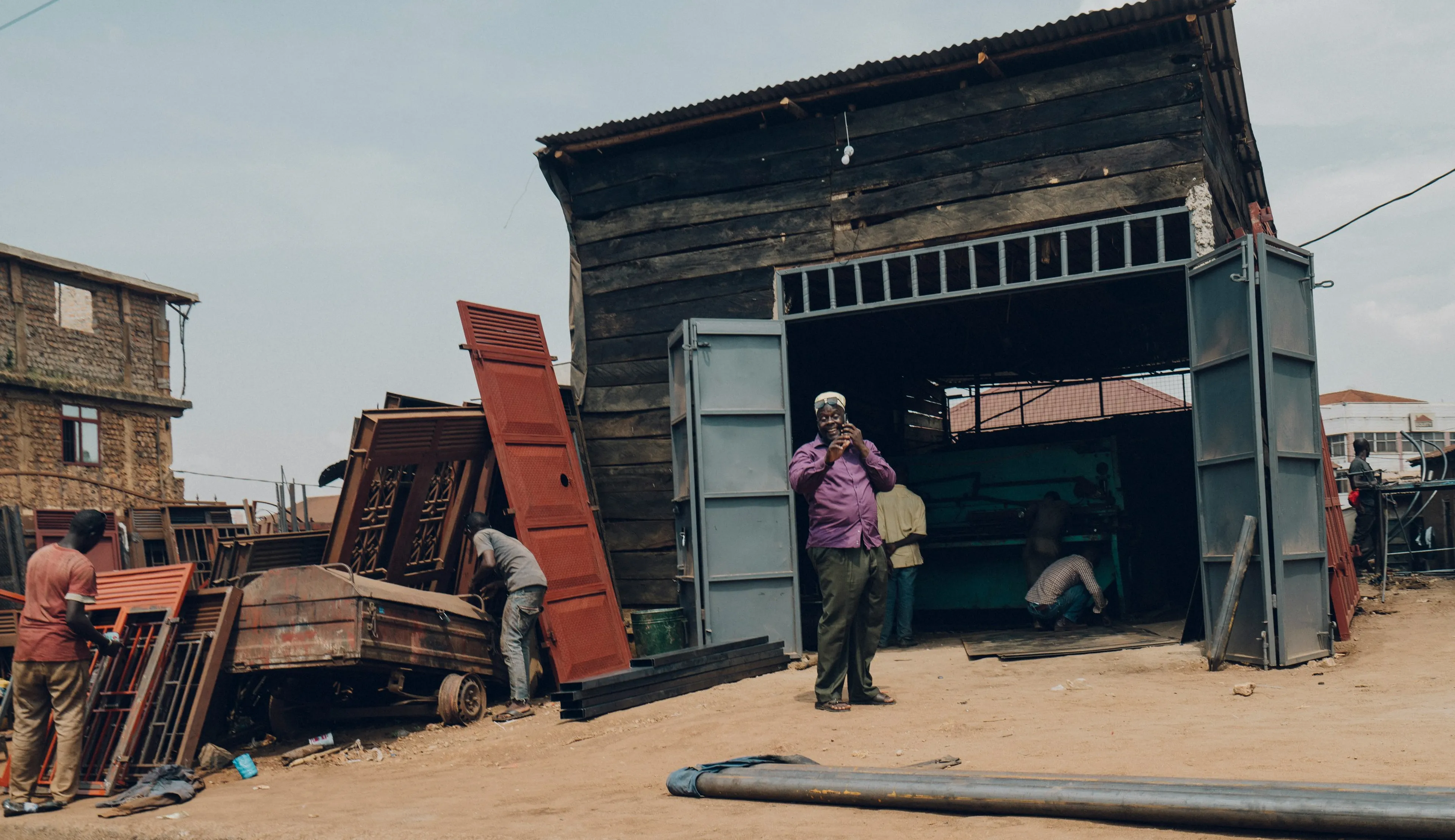
Extreme poverty, hunger, child poverty and where the poorest live: The key global poverty statistics for 2024, every figure sourced.
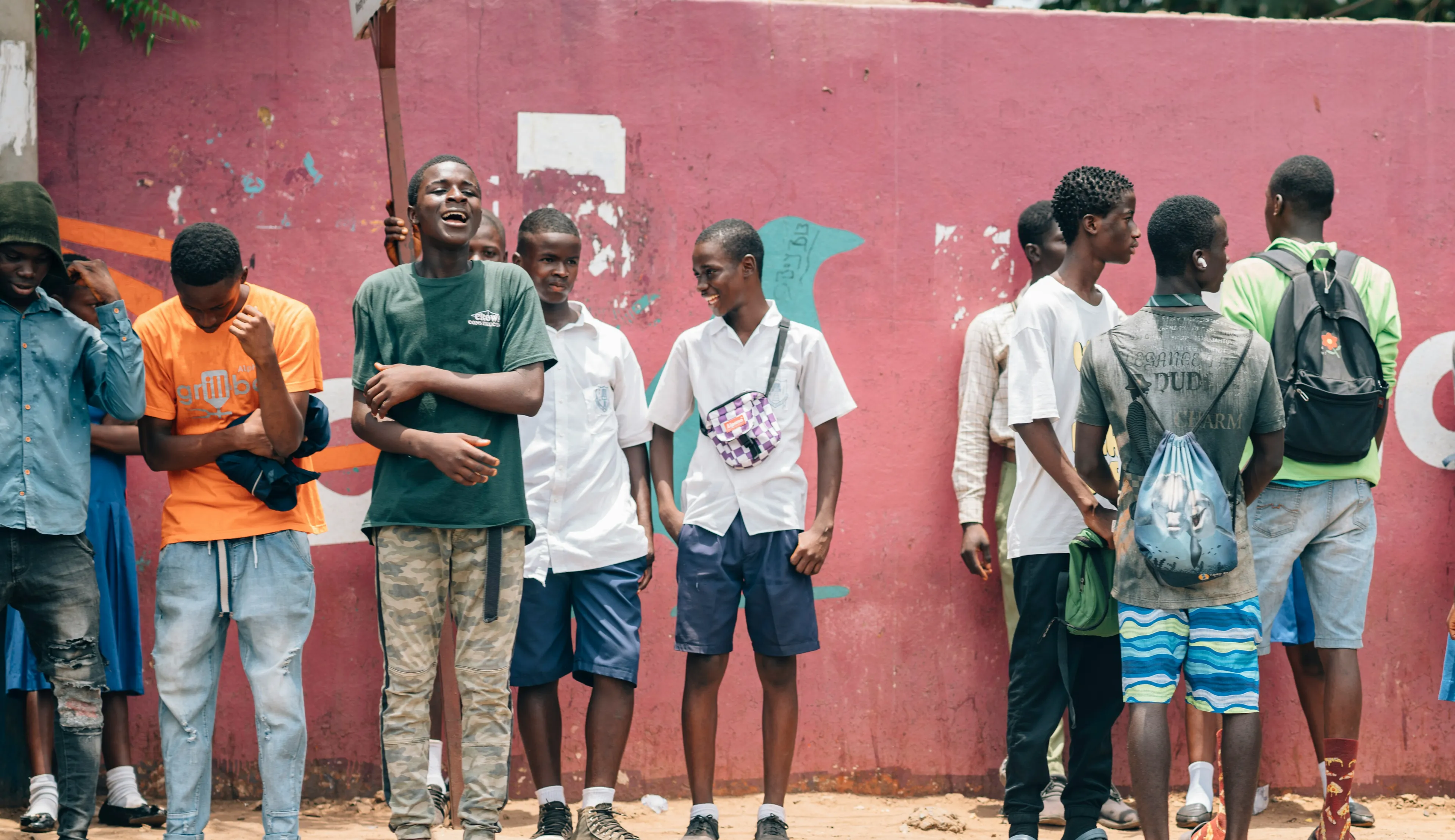
The Swiss nonprofit Social Income asks, “What would change if you gave away 1% of your income every month? Not much, right?”
The Zurich-based project Social Income provides people in Sierra Leone with an unconditional basic income. Could this be the future of poverty alleviation?