Loading Social Income...
Our work
Recipient app
© 2026 Social Income · Registered Non-Profit in Switzerland
Platform partner

© 2026 Social Income · Registered Non-Profit in Switzerland
Loading Social Income...
Loading Social Income...
© 2026 Social Income · Registered Non-Profit in Switzerland
Platform partner
© 2026 Social Income · Registered Non-Profit in Switzerland
Loading Social Income...
Our own thoughts and essays on the topics that interest us, move us, or shape how we work at Social Income.
In 2026, about 811 million people live on less than $3.00 a day. One in ten of us. A number that has barely moved since the pandemic.
Social Income has changed a lot since 2020. While our principles have stayed much the same, we continue reviewing every one of them regularly. Here is where we stand today.
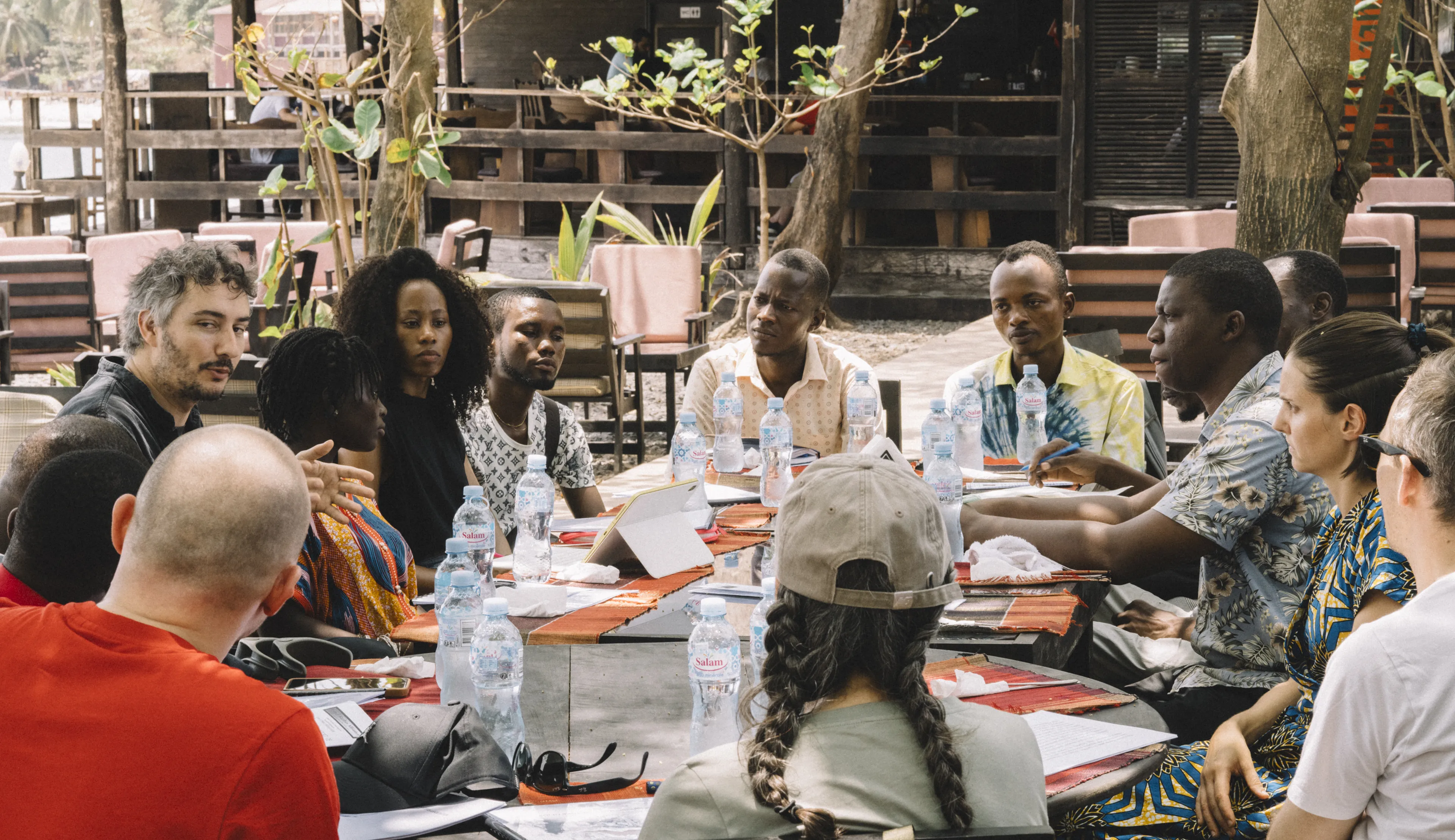
We work closely with local organizations in every country we are in. We support communities through local partners and this is how we do it together.

The backbone of Social Income is our volunteers. However, volunteering is easy to drift out of. Here’s a quick rundown of how we’re managing our growing community.

Sixteen of us, one house in the Alps, and the hard questions we usually never have time for.
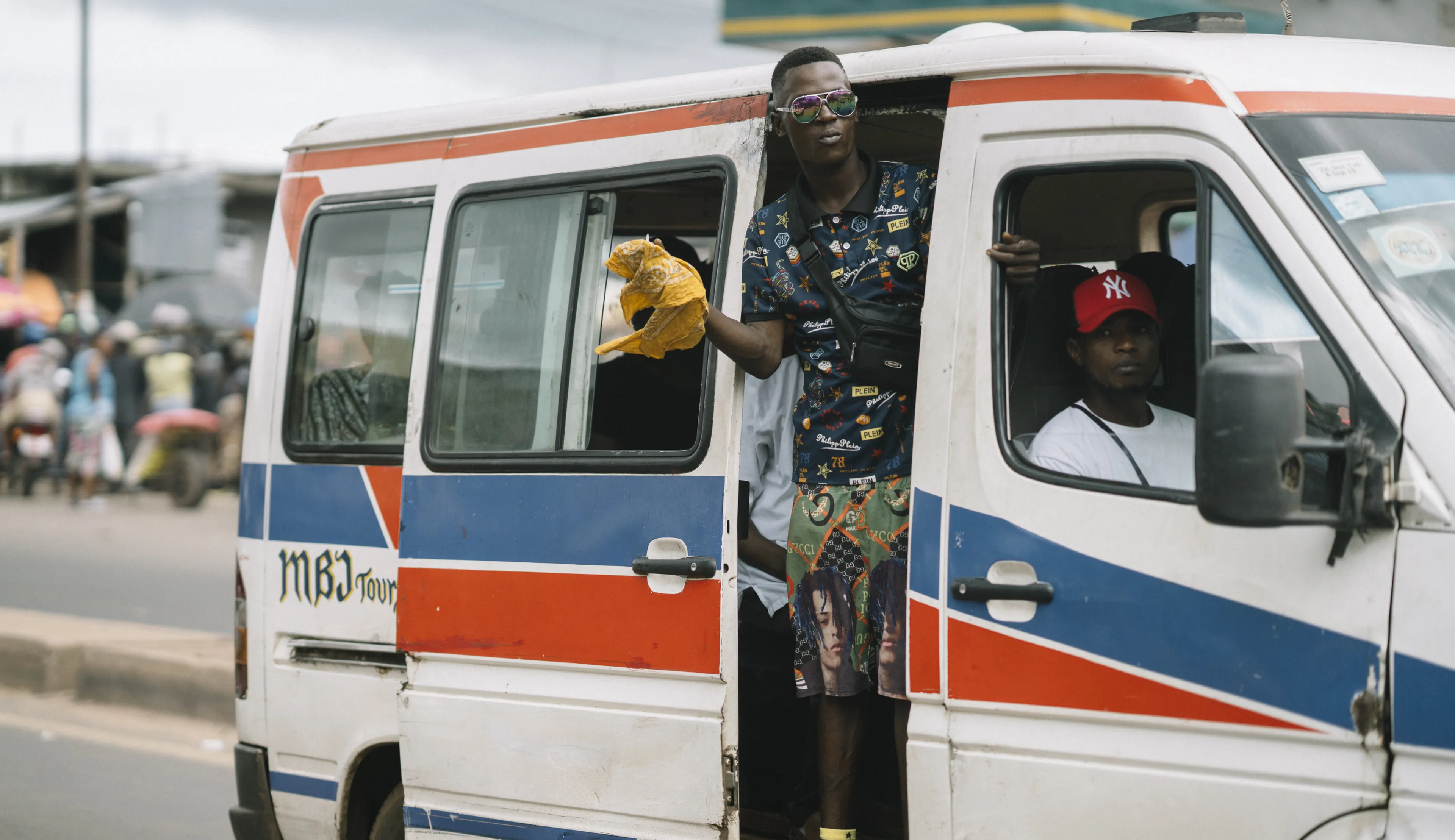
Mobile money is more than just convenience. It enables a whole new form of giving.

Scott Santens says talent just needs a floor to stand on. He's right. But this floor matters most exactly where it's rarest: in the places Social Income works.

Hemingway once said writing, at its best, is a lonely life. He was probably right. But he never spent a weekend in Bern with the rest of us.

Thirty studies across three continents looked at what happens when poor families receive cash. The myth that they spend it on booze did not survive a single one of these studies.
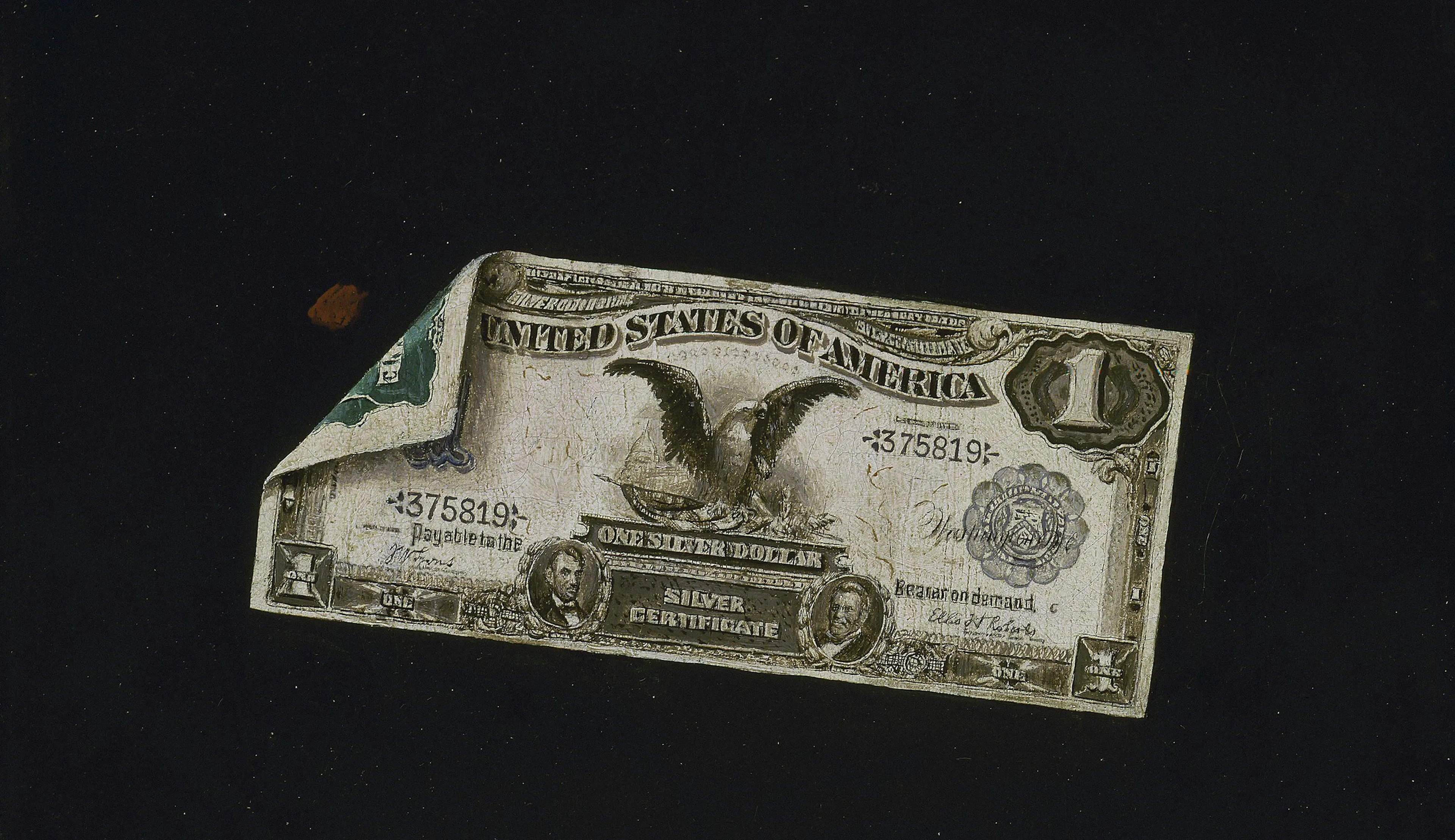
When you want to do something differently, the first hurdle is not the work itself – it’s fighting the classic adage: “But we have always done things this way”.
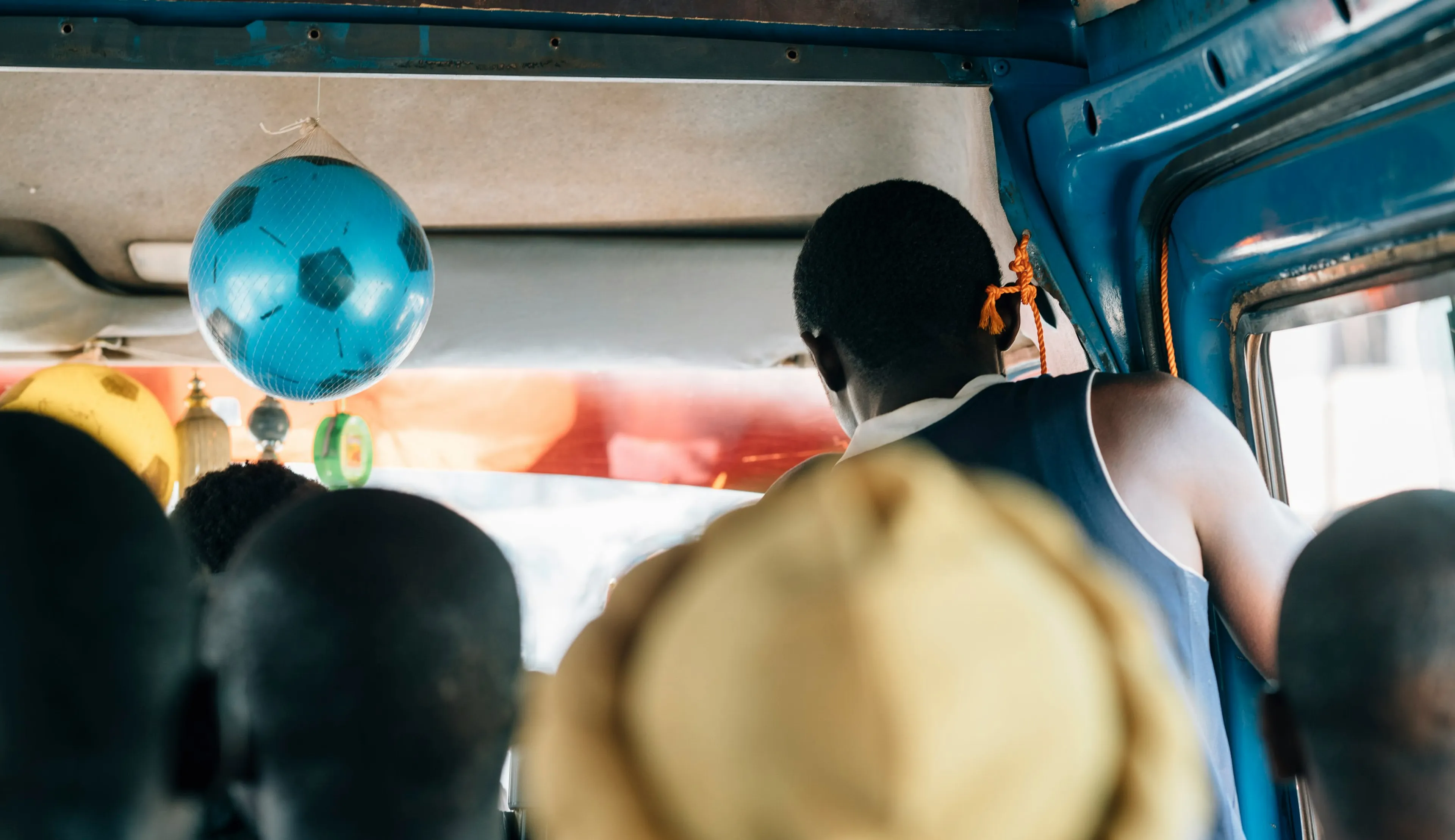
Round ten is coming, and it's bigger than a single winner. Most people talk about Basic Income. UBI4ALL just does it.
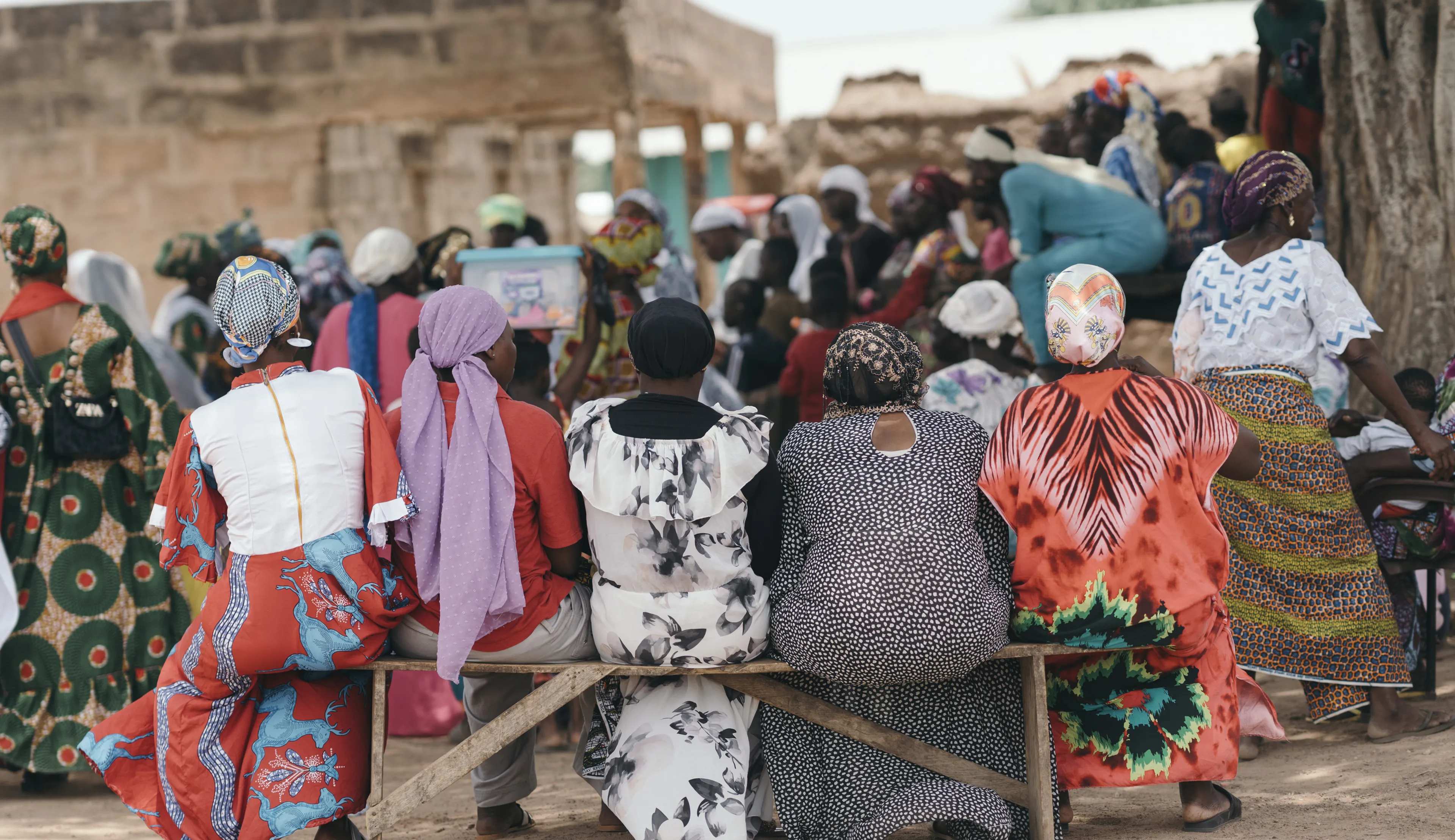
Hunger fell, poverty stood still and aid dropped by almost a quarter. Global poverty in 2026, by the numbers.
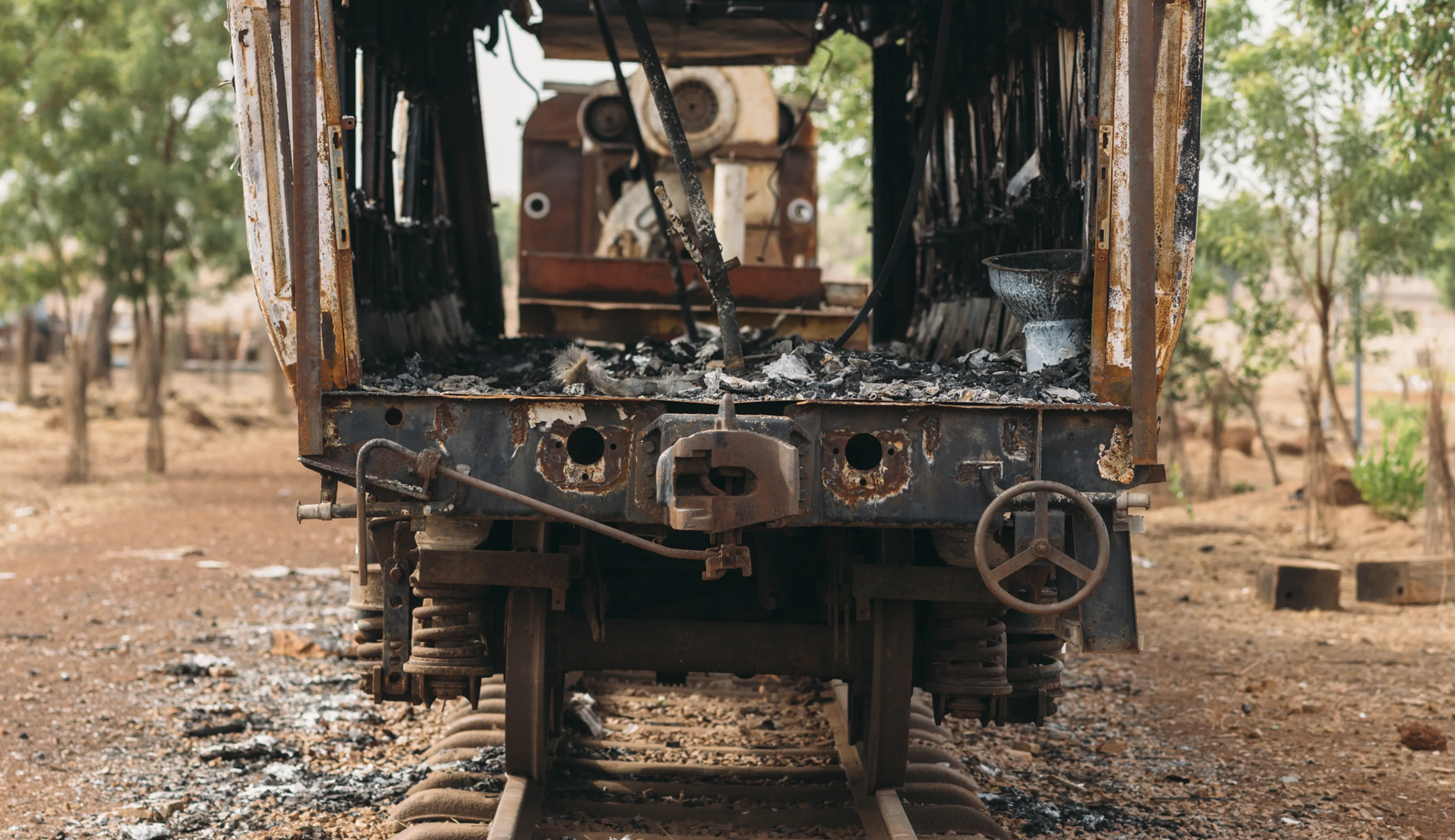
Sending cash to sub Saharan Africa costs close to 8%. The UN promised to get that number under 3% by 2030. Fifteen years in, it has barely decreased.
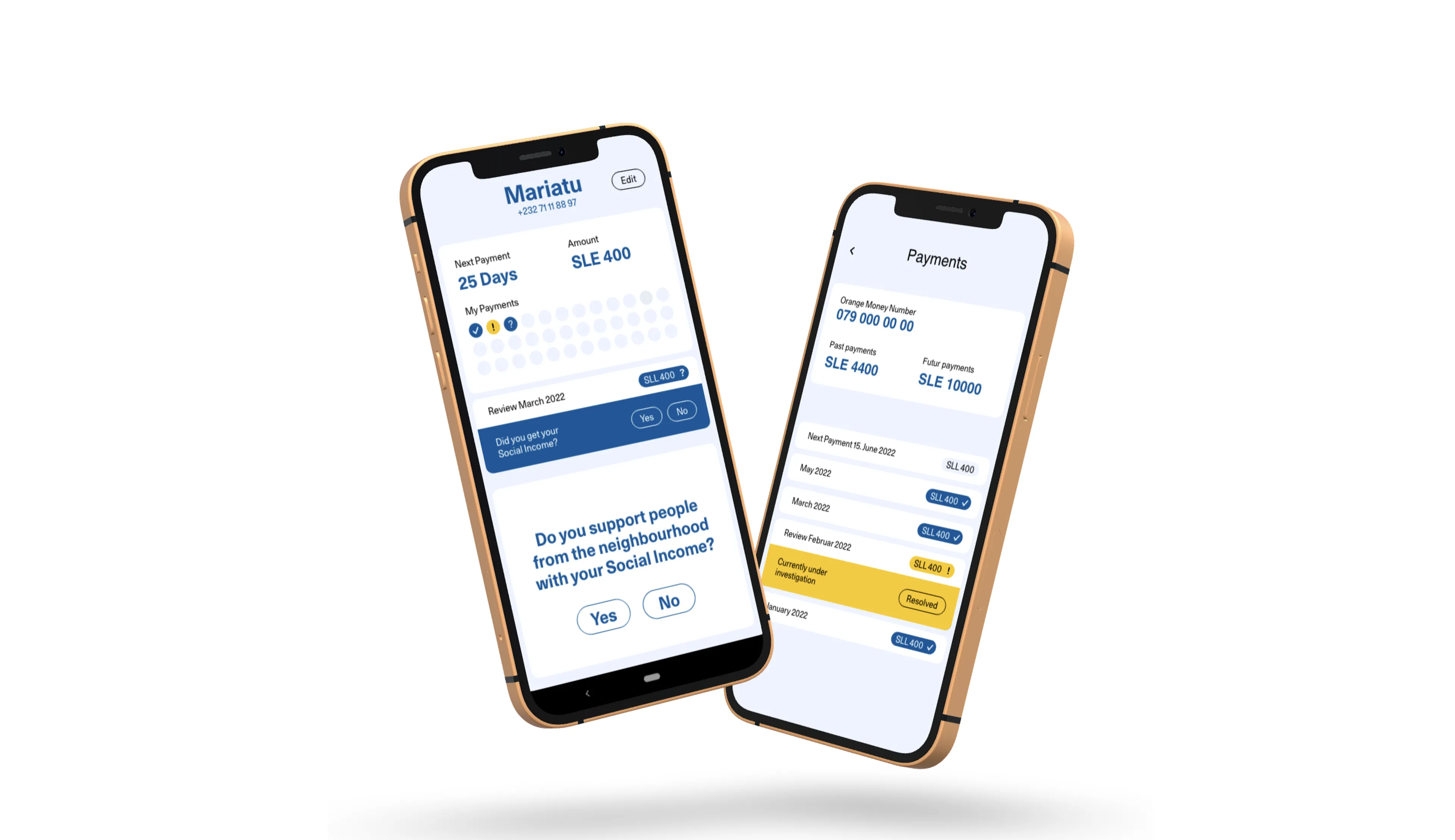
A Zurich design agency donated something as valuable as money: their craft. The result is a new app for our recipients.
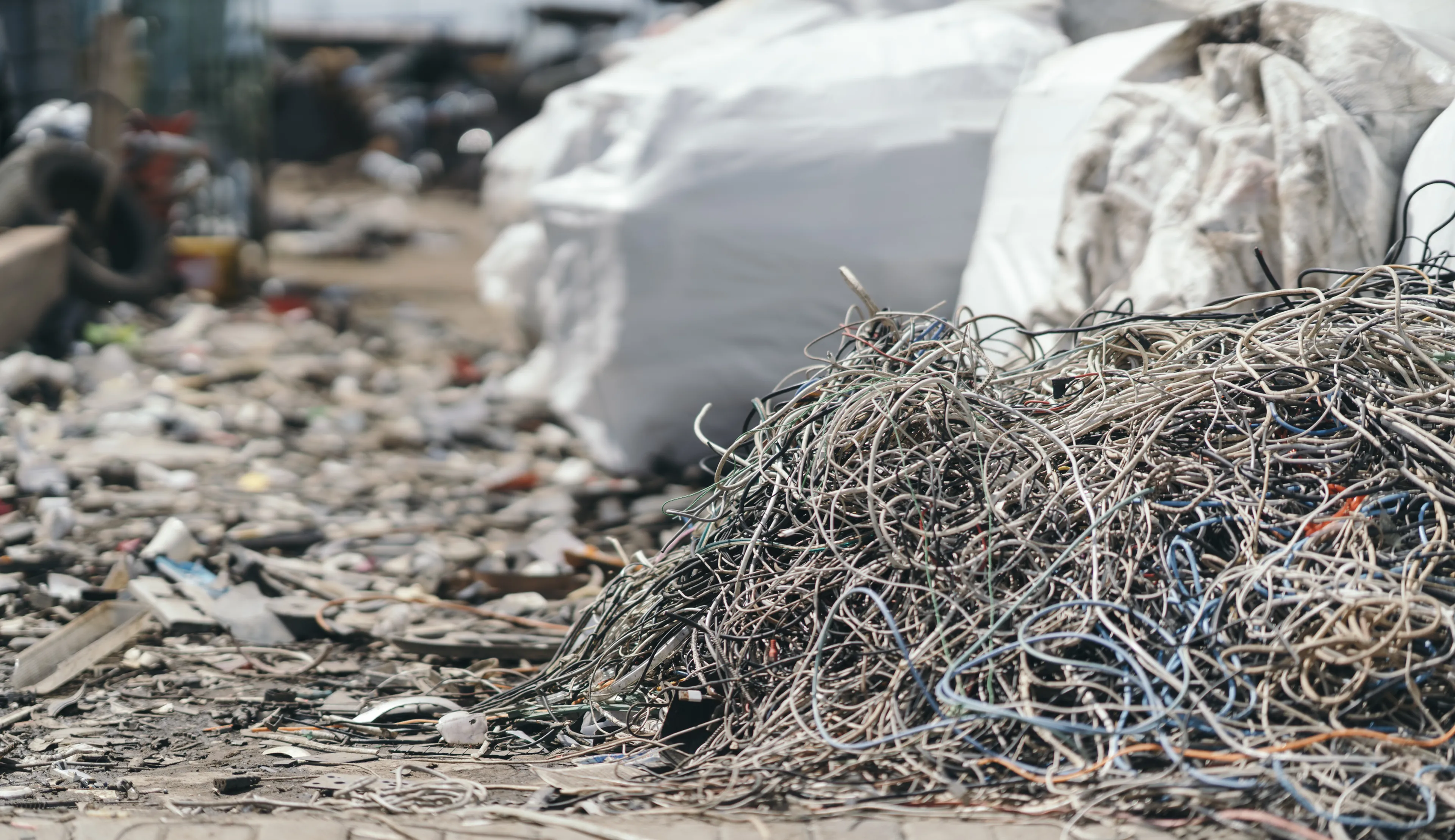
Social Income is open source. Which means we accidentally helped train ChatGPT.
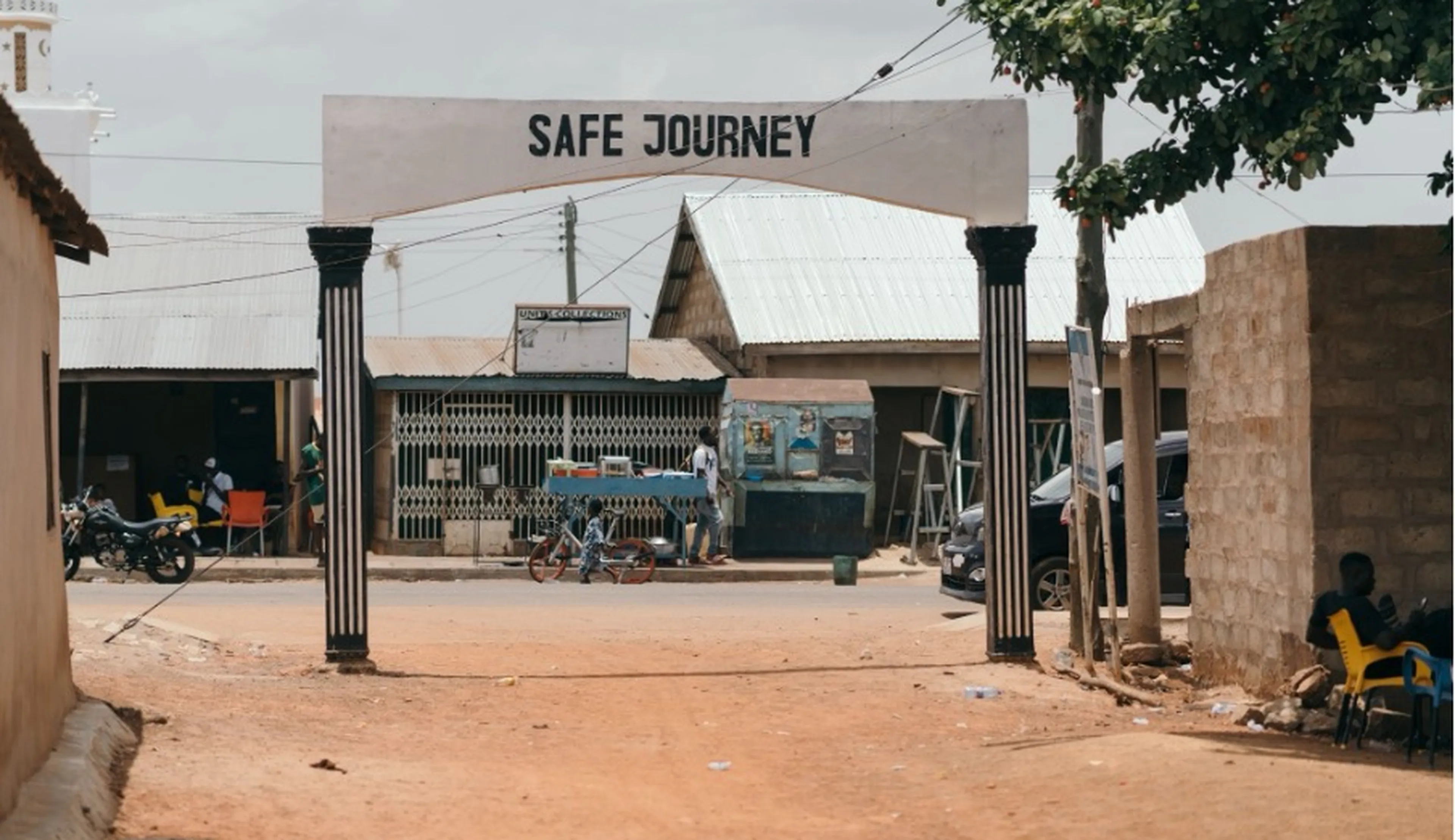
The world’s largest cash transfer system isn’t run by governments or NGOs. It is run by diaspora communities sending money home. And it already reaches hundreds of millions of people.
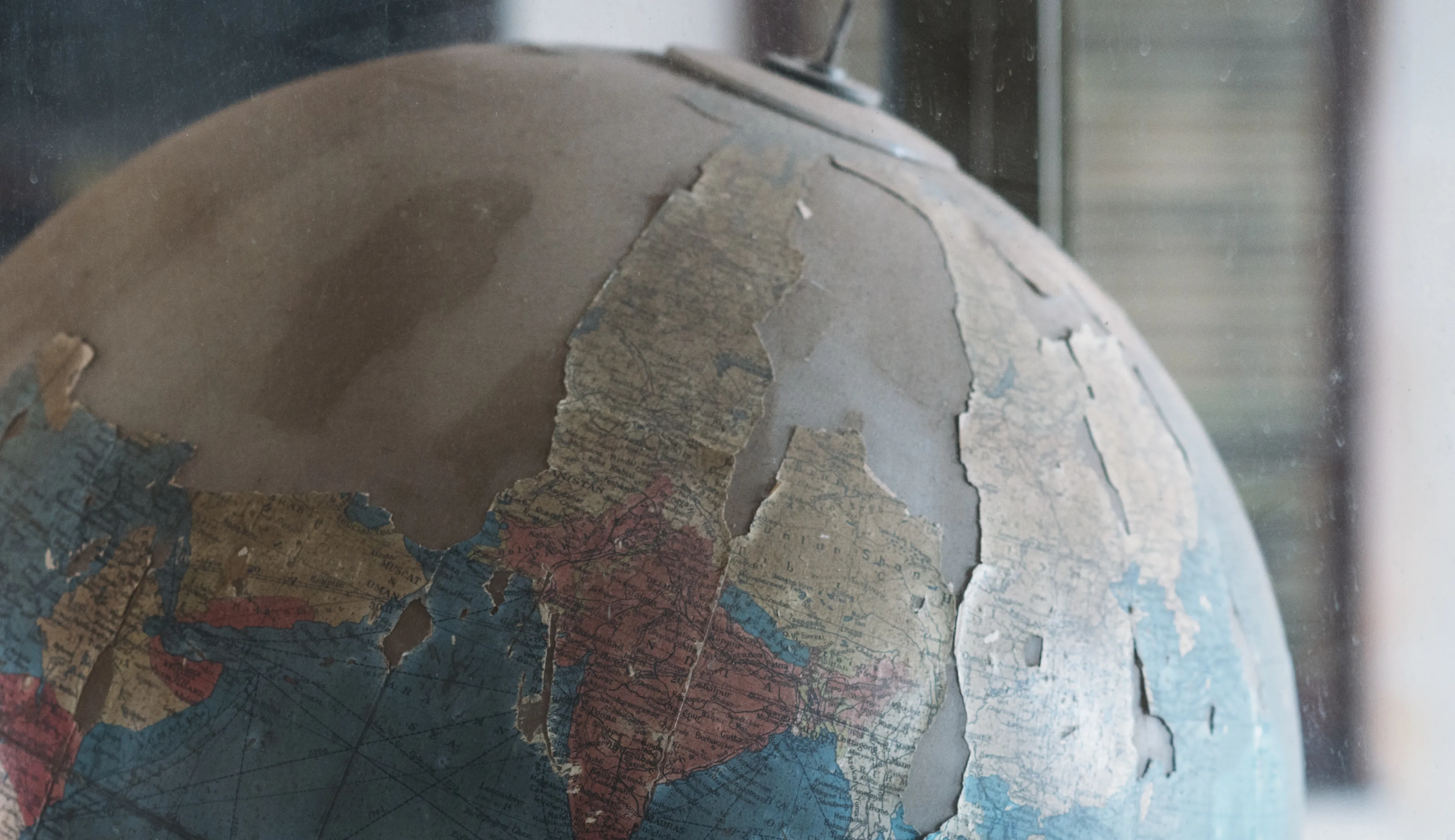
When machines do more of the work, the question of who shares in the wealth becomes a moral one.
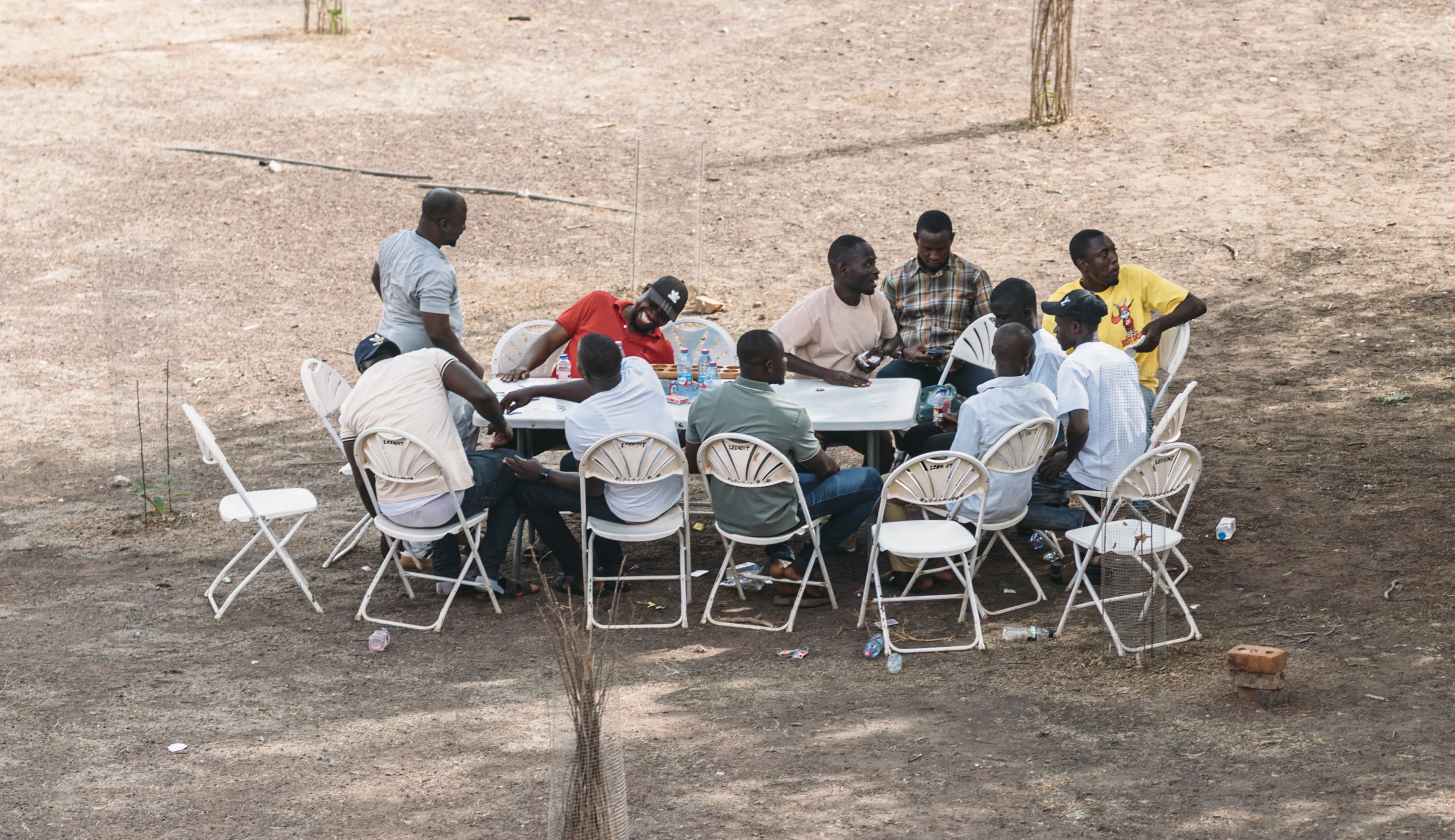
Research shows happiness depends less on what we receive and more on how we contribute. Is the real shortage in life not wealth but rather opportunities to give back to our community?
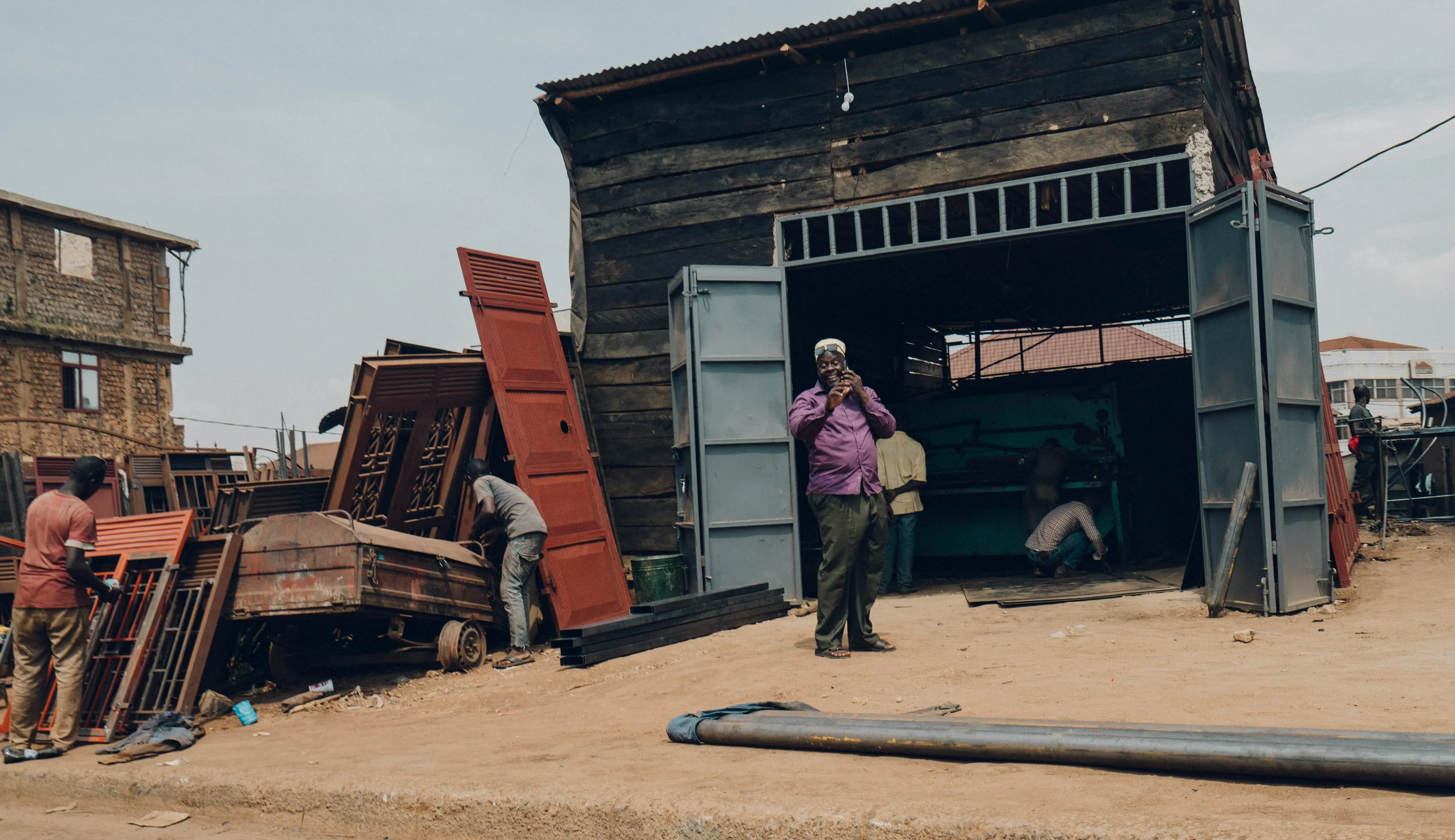
If happiness can be measured, can freedom?

The negatives of population decline are well documented. So is the proposed fix: Pay parents more to boost birth rates. Straightforward on paper, far less convincing in practice.

A child’s simplistic question. A complicated father. And a lot of research. Thinking about history, institutions, geography, and ideas.
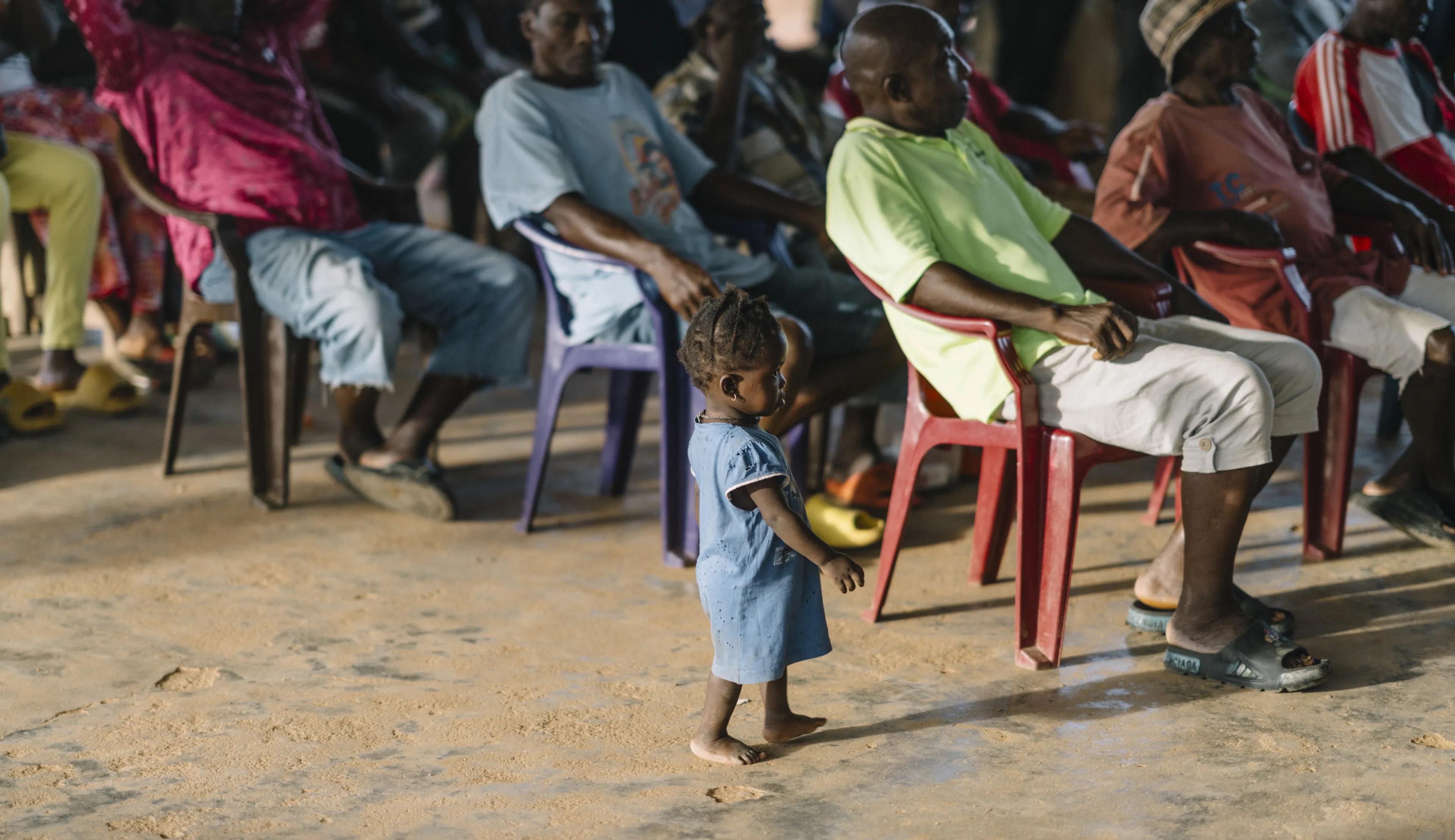
How cash transfers can transform lives over decades.
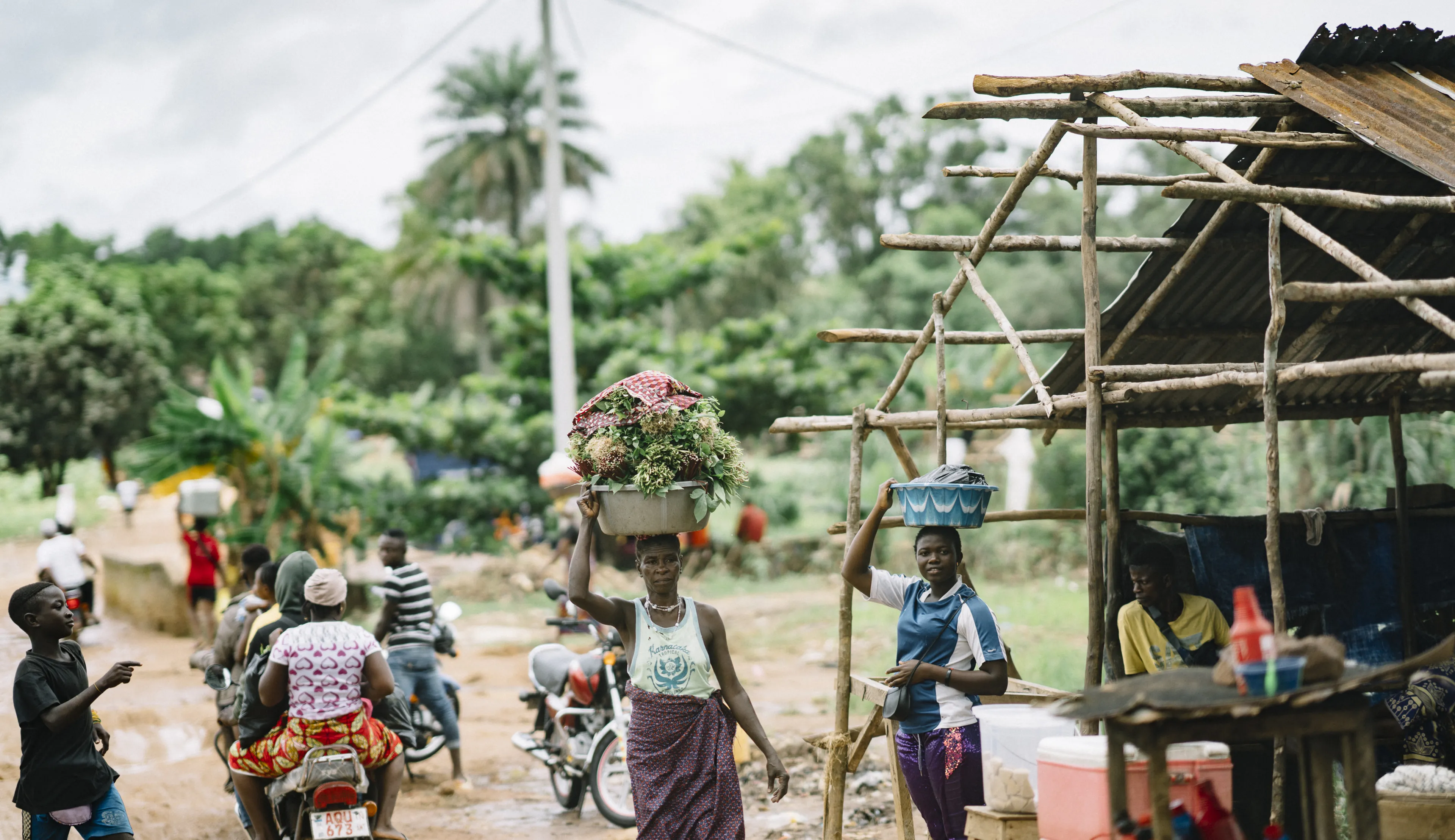
Savings groups reach 13 million people in places banks never went. Here is what the research says they do, where they fail, and why we still don’t run them.

Why is something so basic as an ID still out of reach for so many? And how do we make sure identification rules don’t end up excluding the very people they’re supposed to support?
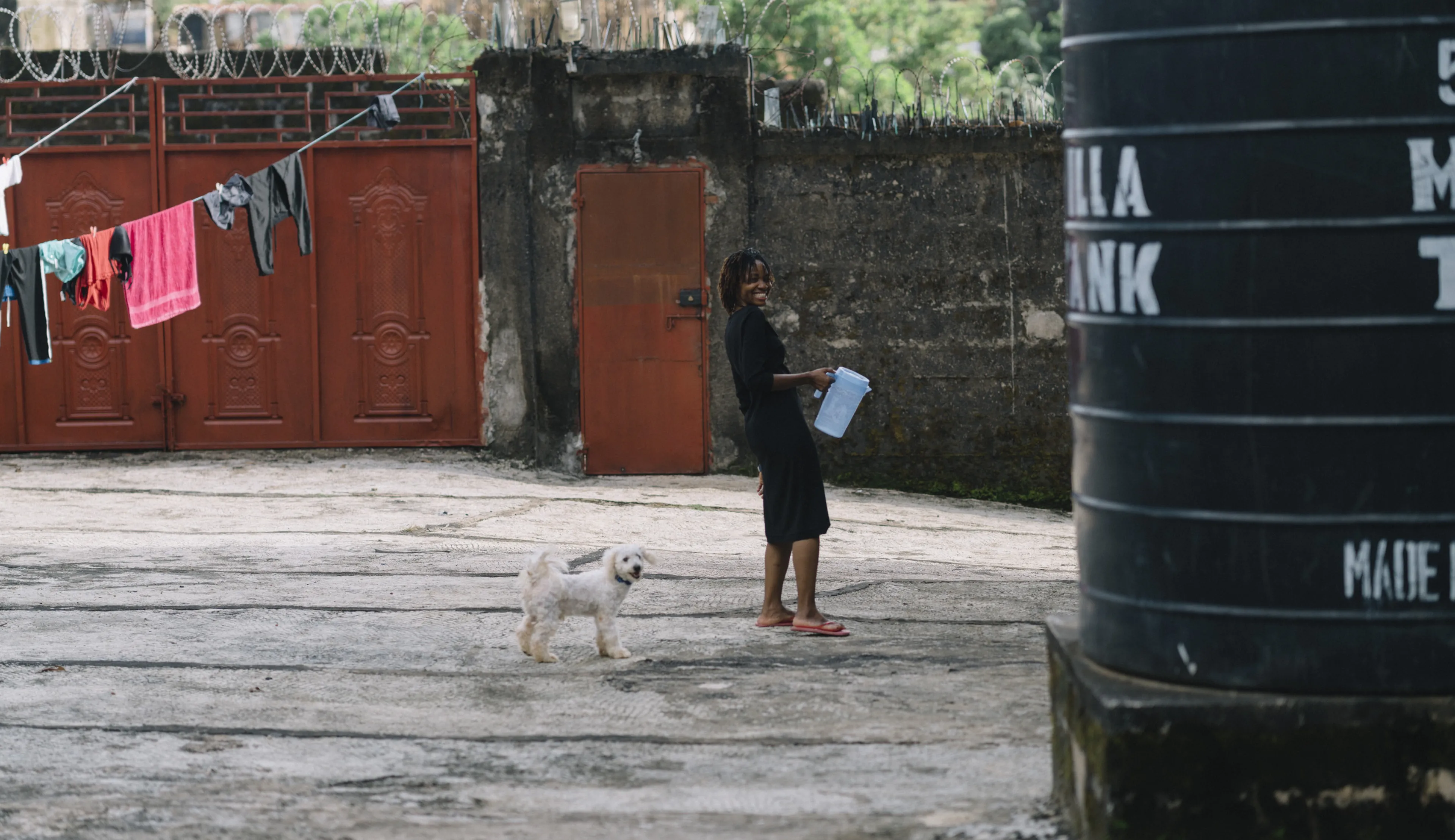
25 countries have halved multidimensional poverty within 15 years. That kind of progress is rare, and it matters.
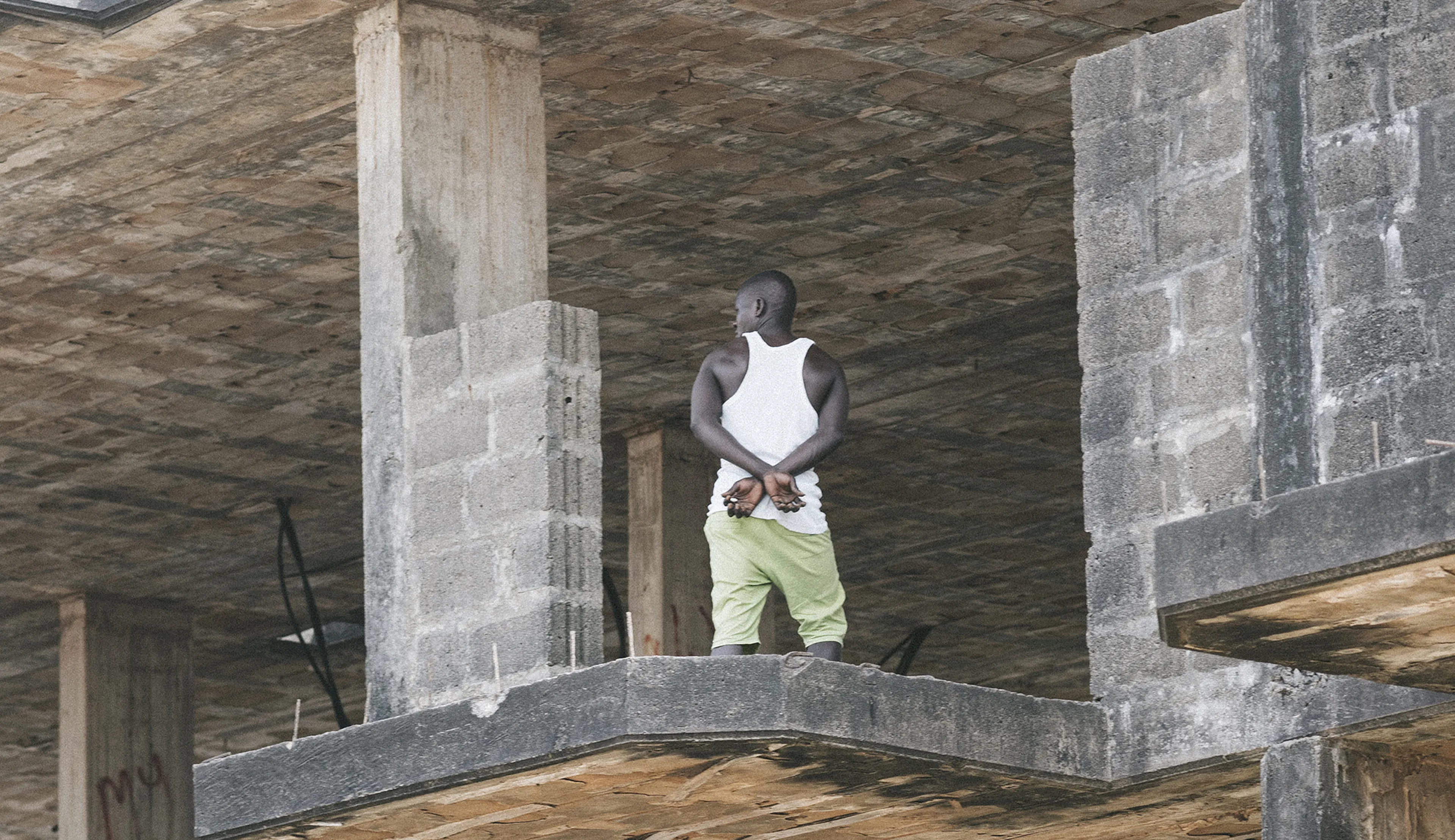
The collapse of USAID has shaken the aid world. It also raises an uncomfortable question: Is it time to trust local people?

You can now own a Federico Herrero artwork and support Social Income at the same time. Only 22 exist — and one could be yours.
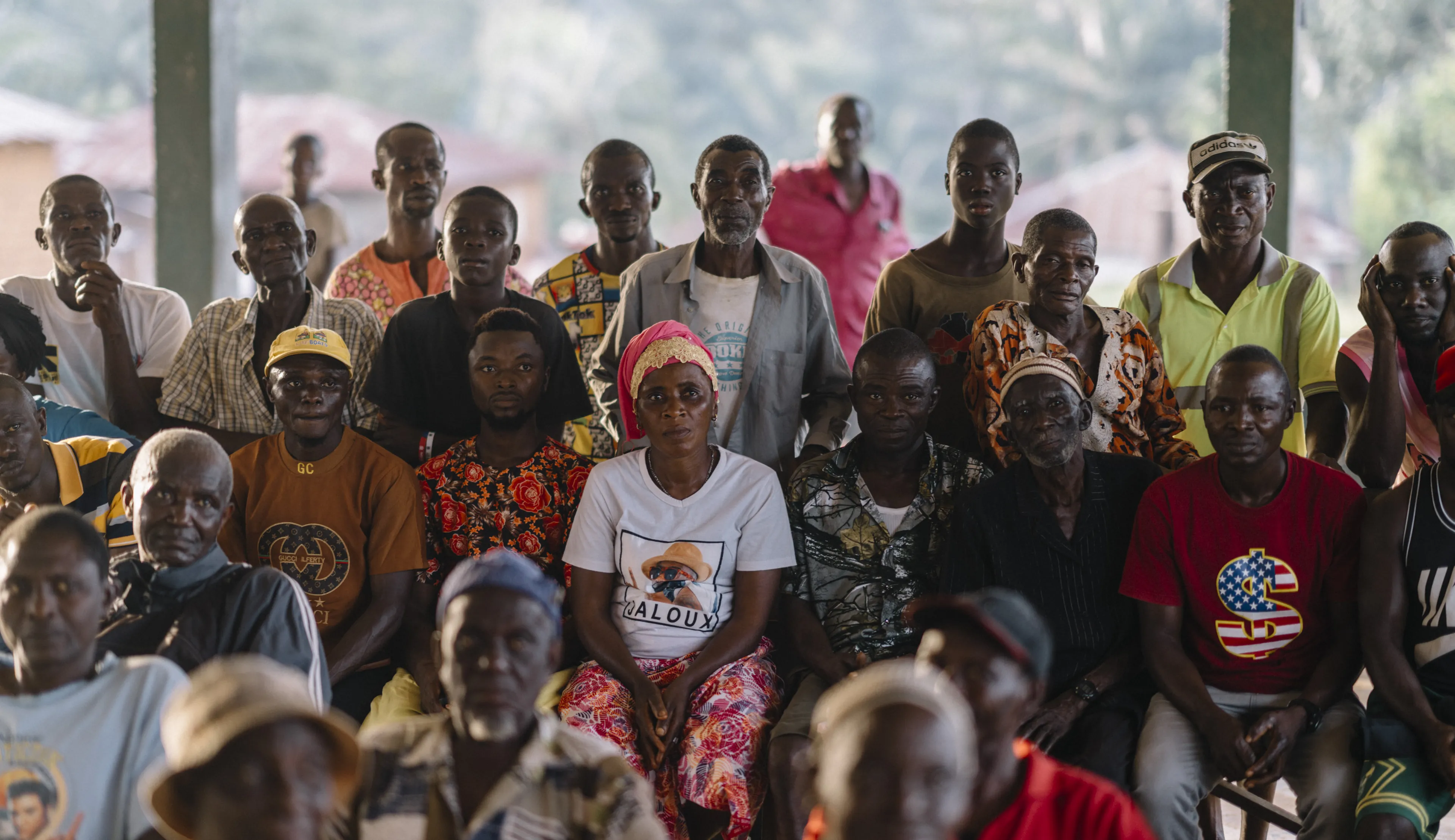
In international development, one word is rapidly changing how NGOs work: Localization.
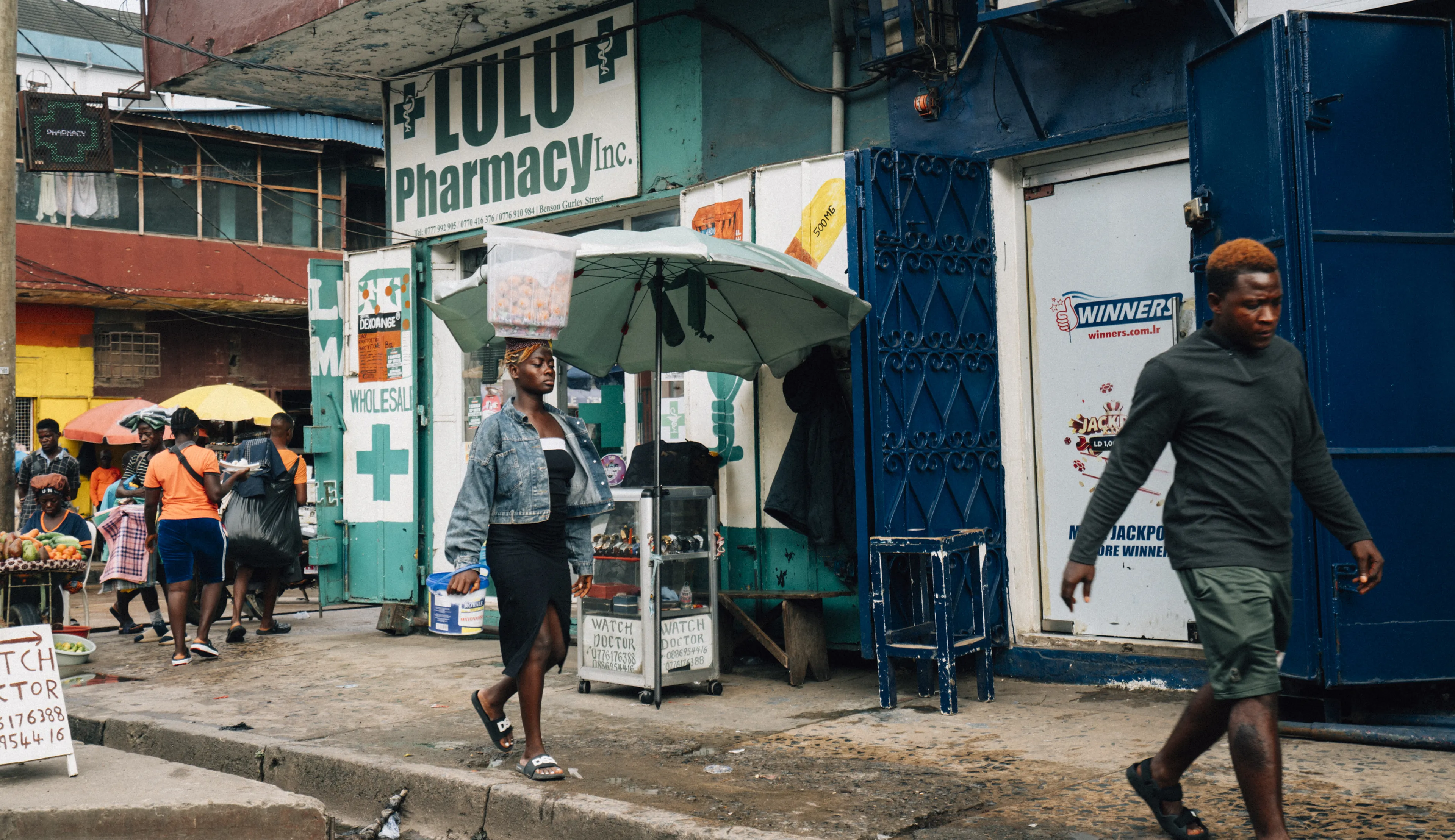
In June 2025, the official count of the world's extreme poor jumped by 125 million overnight. Nobody lost a cent. The ruler changed.
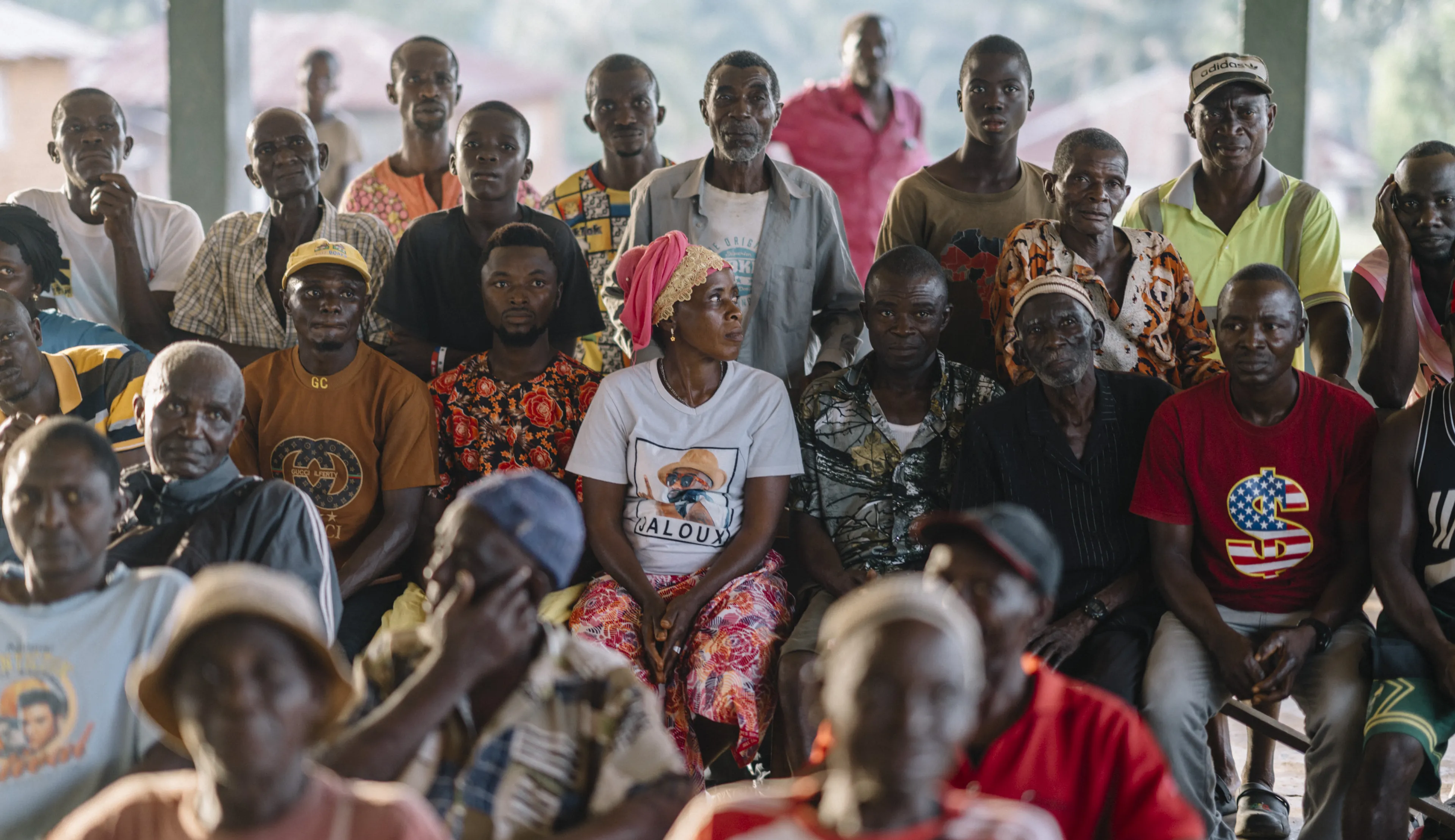
Nearly half of sub Saharan Africa in extreme poverty, 673 million going hungry, 1.1 billion poor beyond income. Global poverty in 2025, by the numbers.

A typo used to need a developer. Here is why we switched to a CMS.
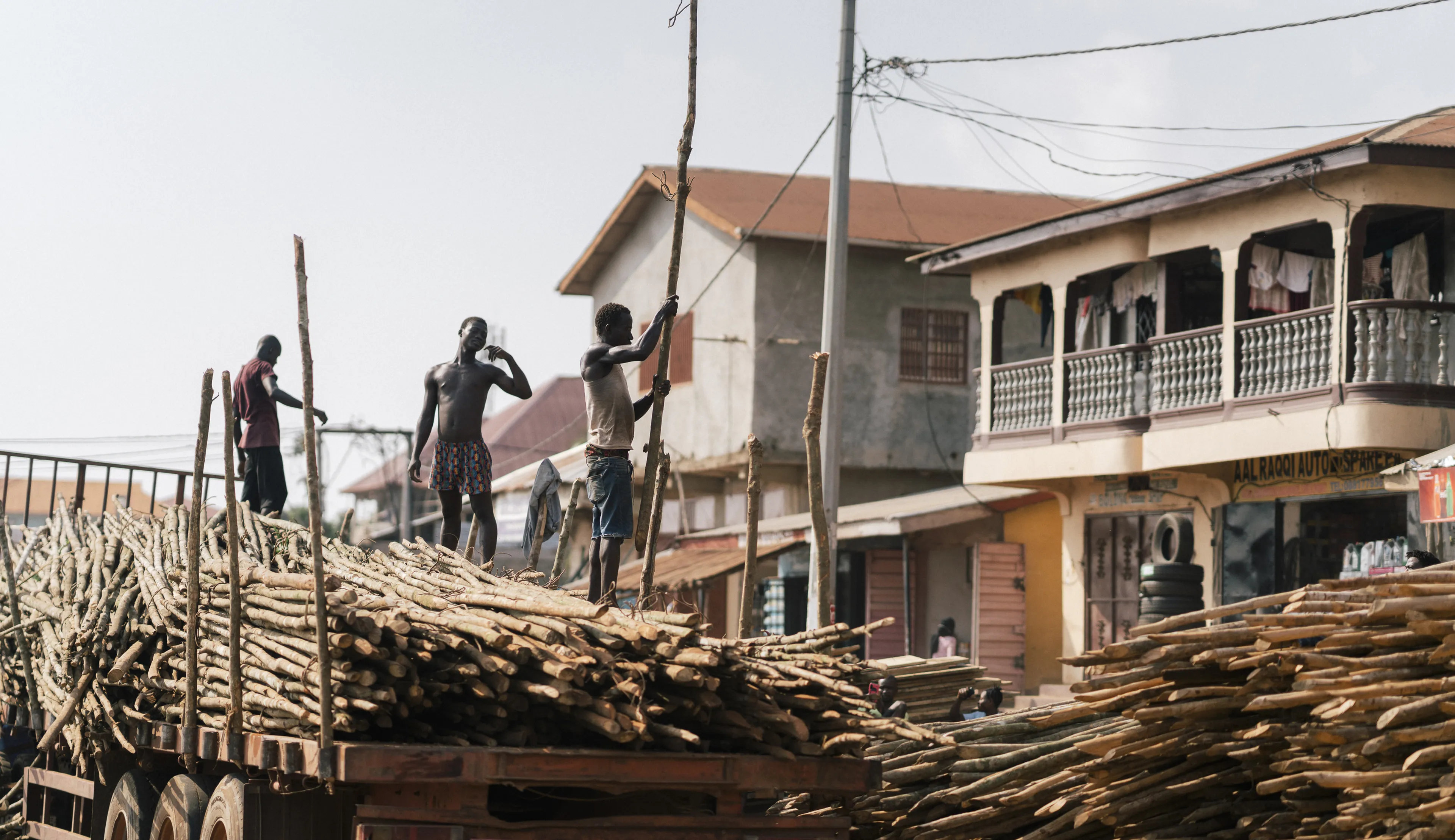
In 2016, Swiss voters rejected a basic income for all, mostly over cost. What if the same idea, too expensive at home, could work where it’s needed most?
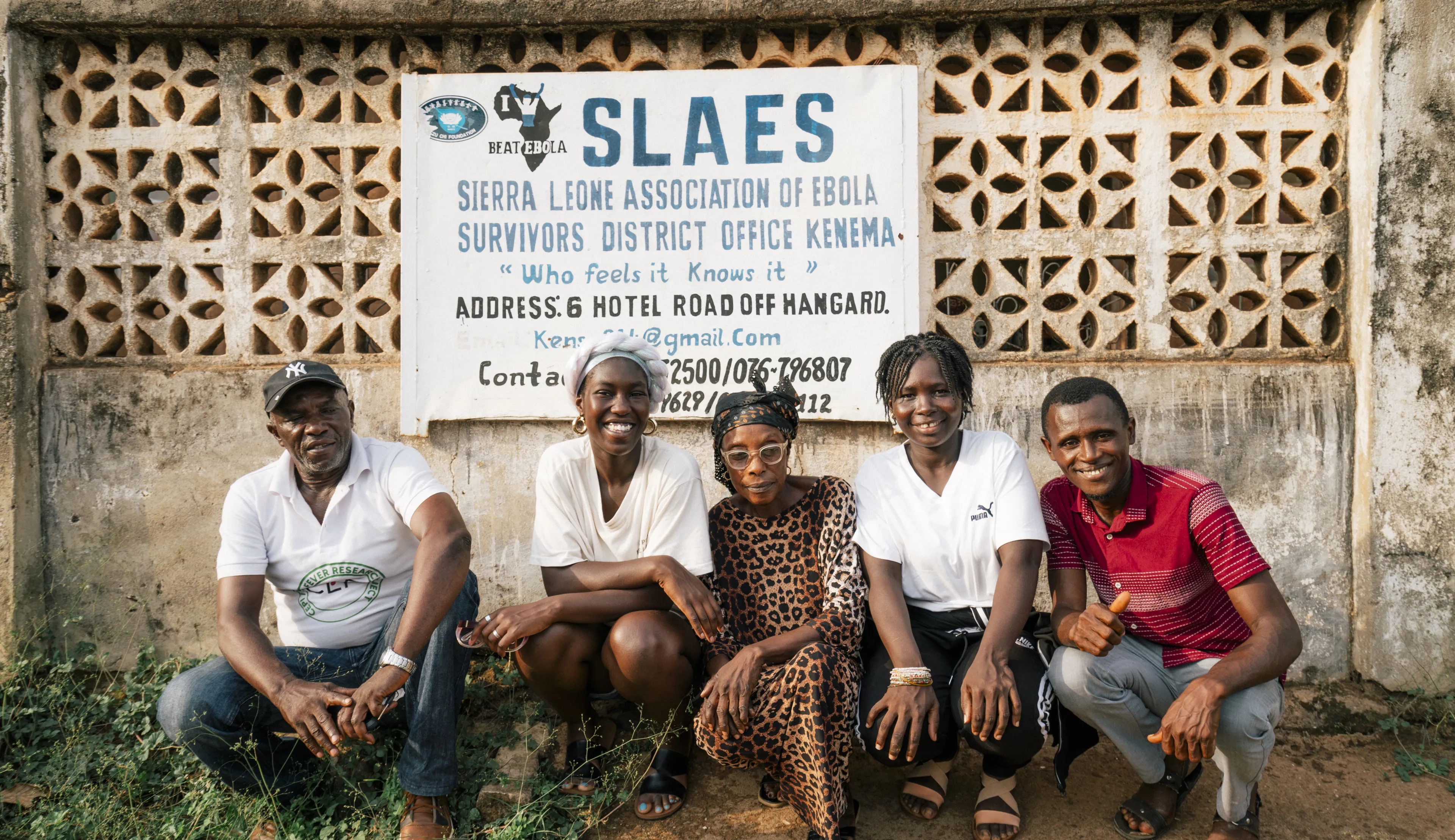
When Ebola swept through Sierra Leone, it left behind more than just loss: it tested the strength of an entire nation

Microcredits are meant to fight poverty. For the poorest, however, they often create more pressure than opportunity.

In a world where one Instagram Story can reach thousands and a single TikTok can go viral overnight, influencers hold a kind of digital megaphone that brands pay millions for.
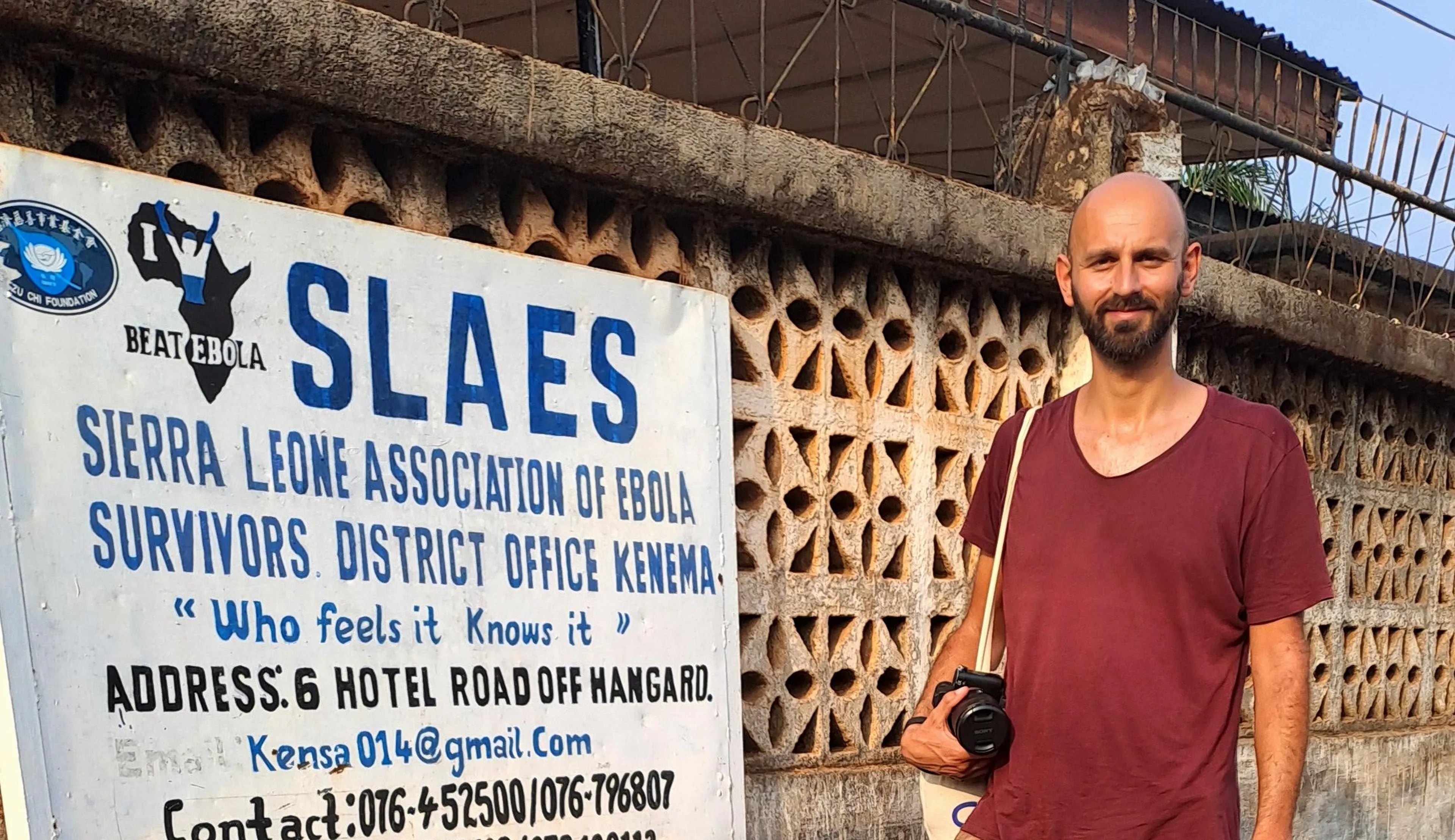
It started with a Wikipedia page that vanished as quickly as I found it. That moment led me to Social Income. Four years later, I share how it shaped my journey.
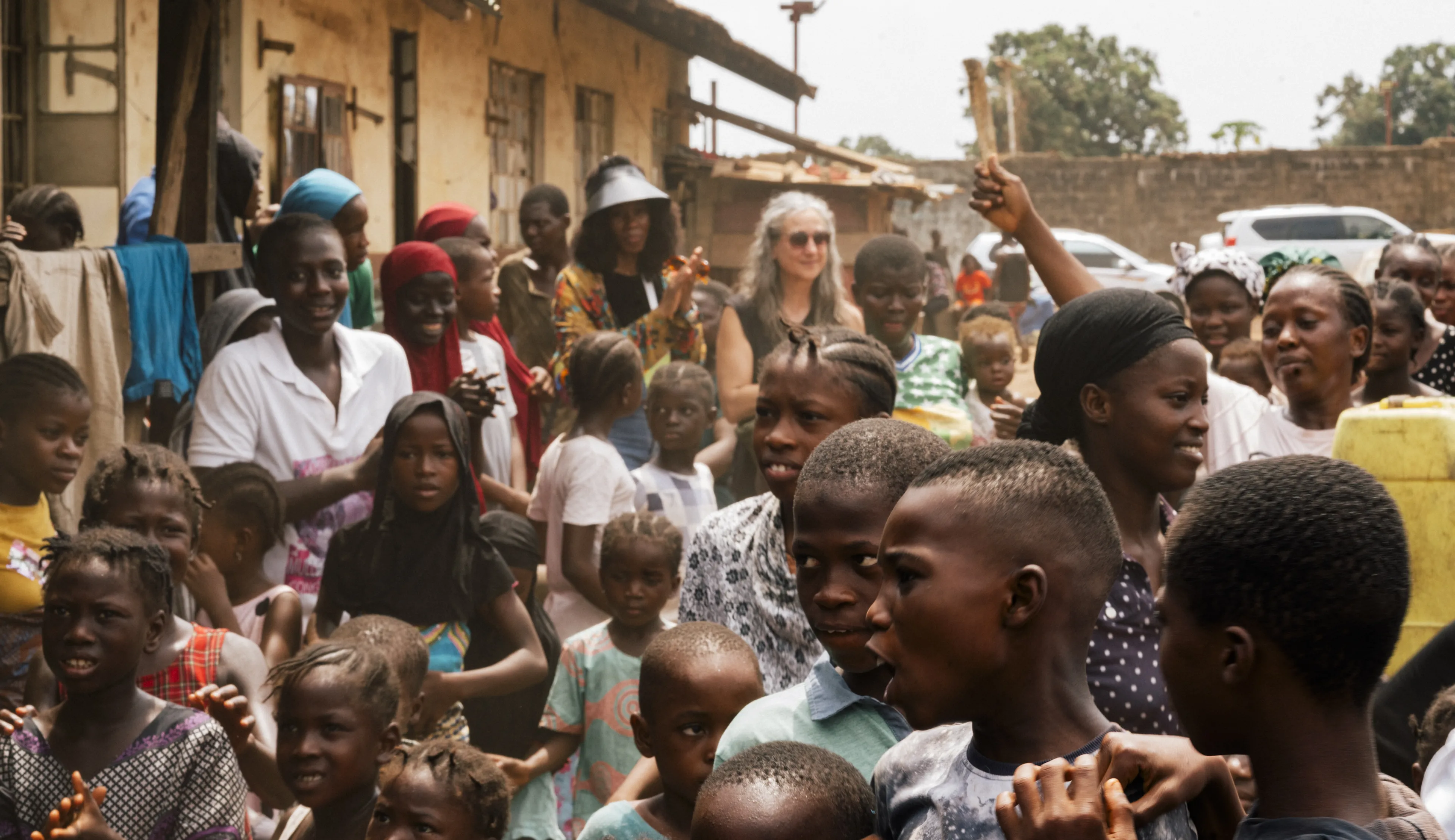
We all know the numbers. Millions live on less than two dollars a day. So why does almost none of us do anything about it?
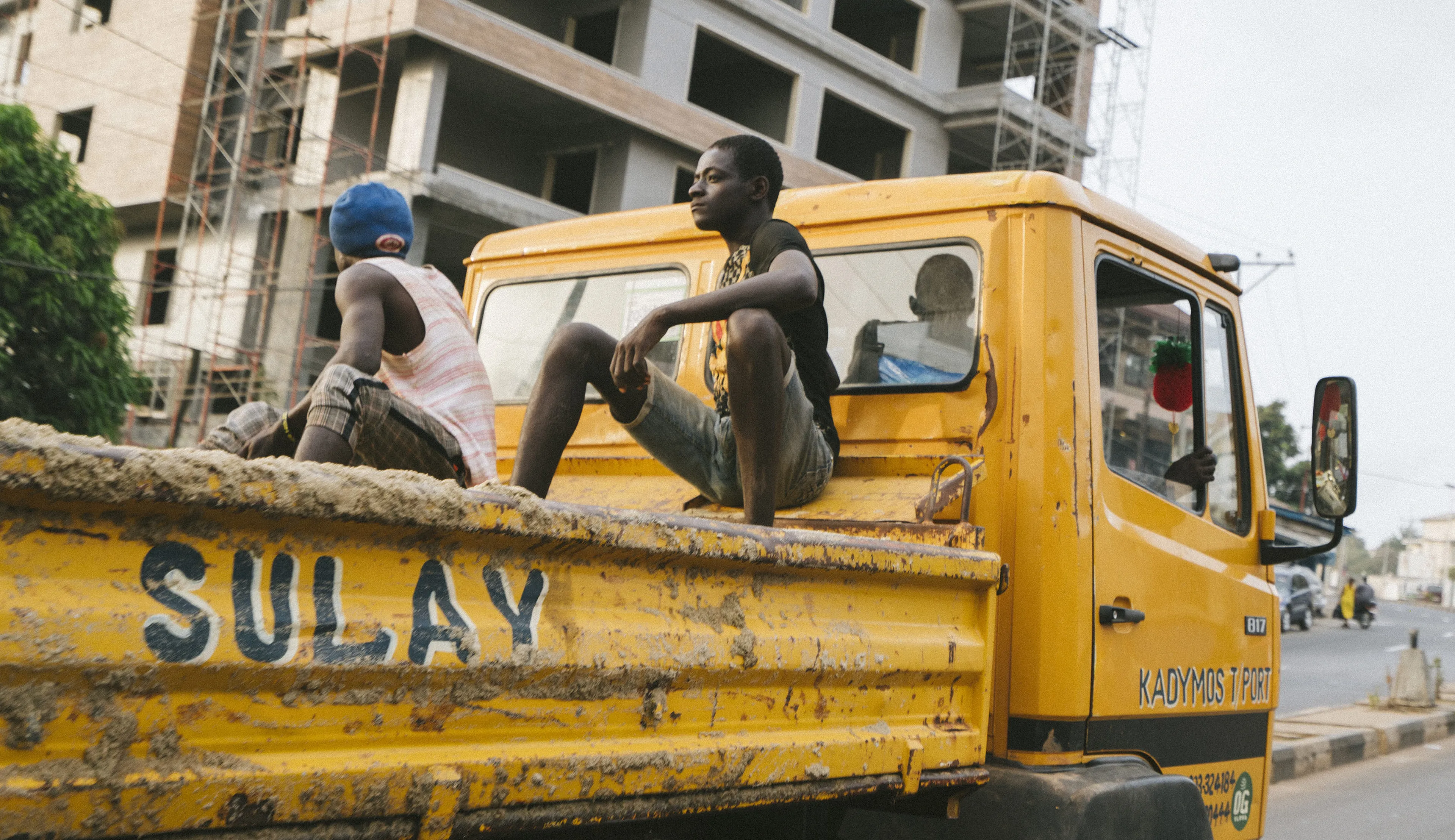
Direct cash transfers can be an effective tool for reducing income inequality because they provide financial support to those who are struggling to make ends meet.
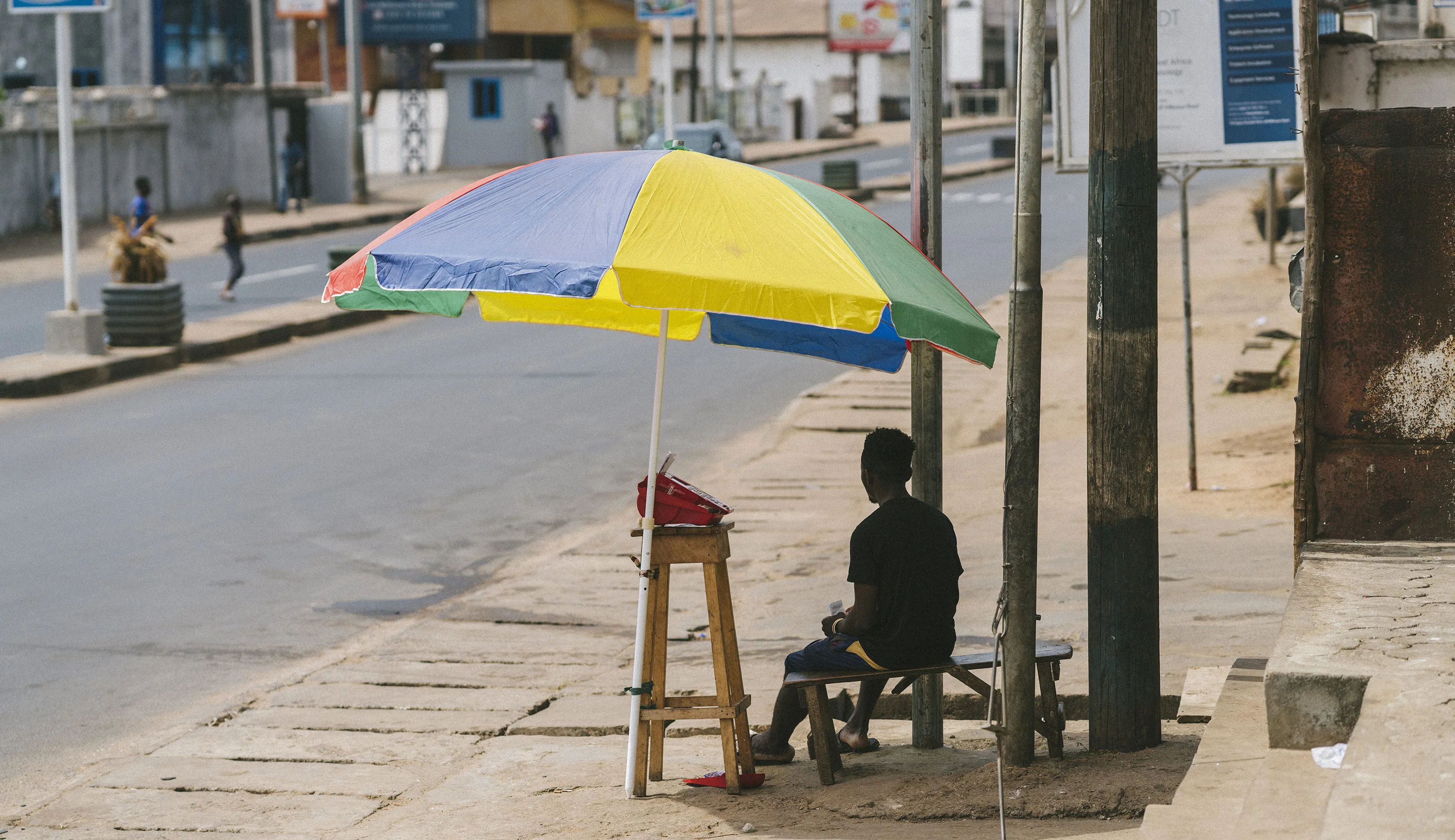
What does it mean to be poor? Two ways to measure it, two very different numbers, and one of the simplest tools that works: Cash.
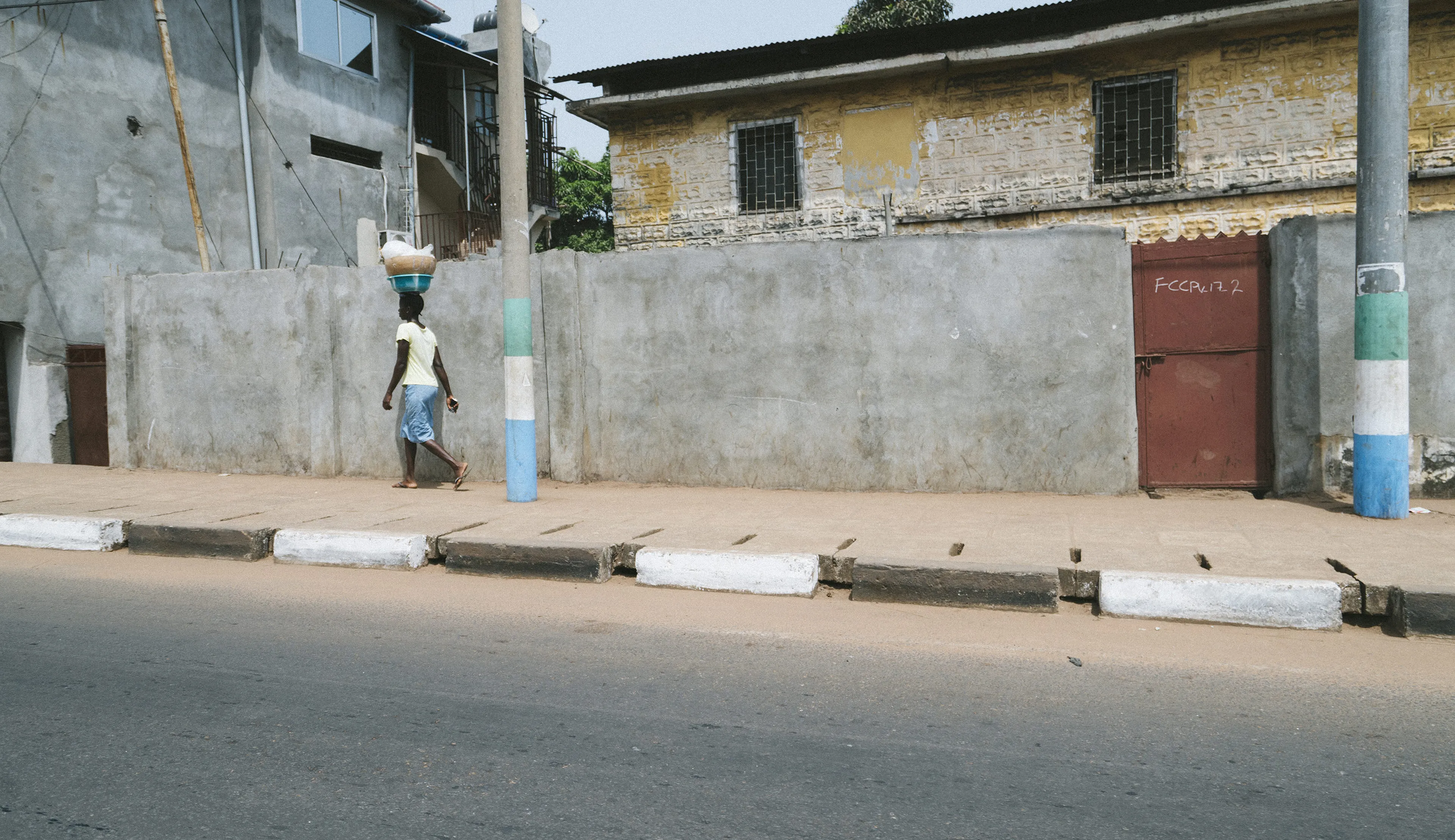
Social Income lets everyone participate in the fight against global poverty by contributing 1% of their income, which is paid out directly to the phones of people in need.
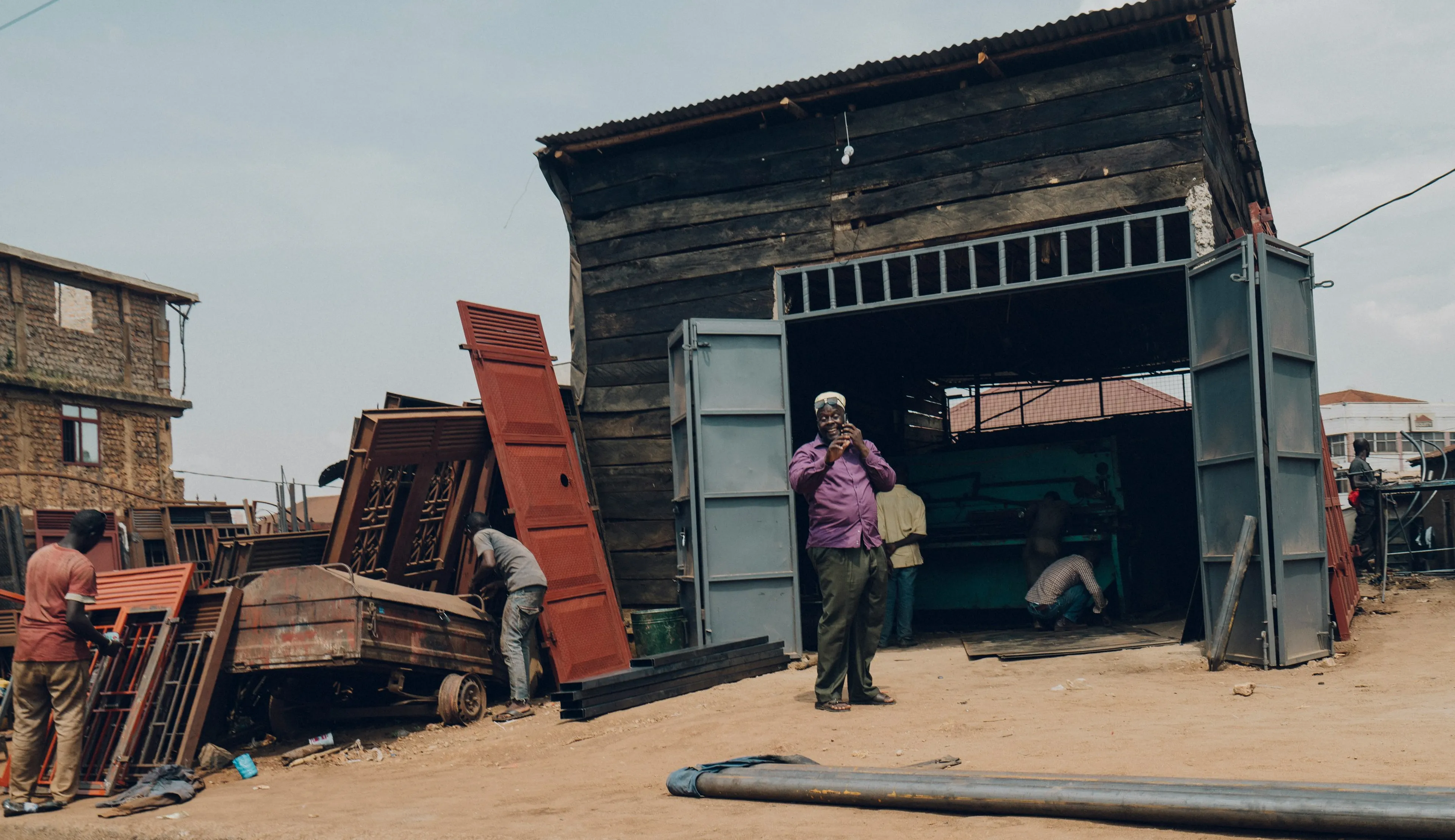
Extreme poverty, hunger, child poverty and where the poorest live: The key global poverty statistics for 2024, every figure sourced.
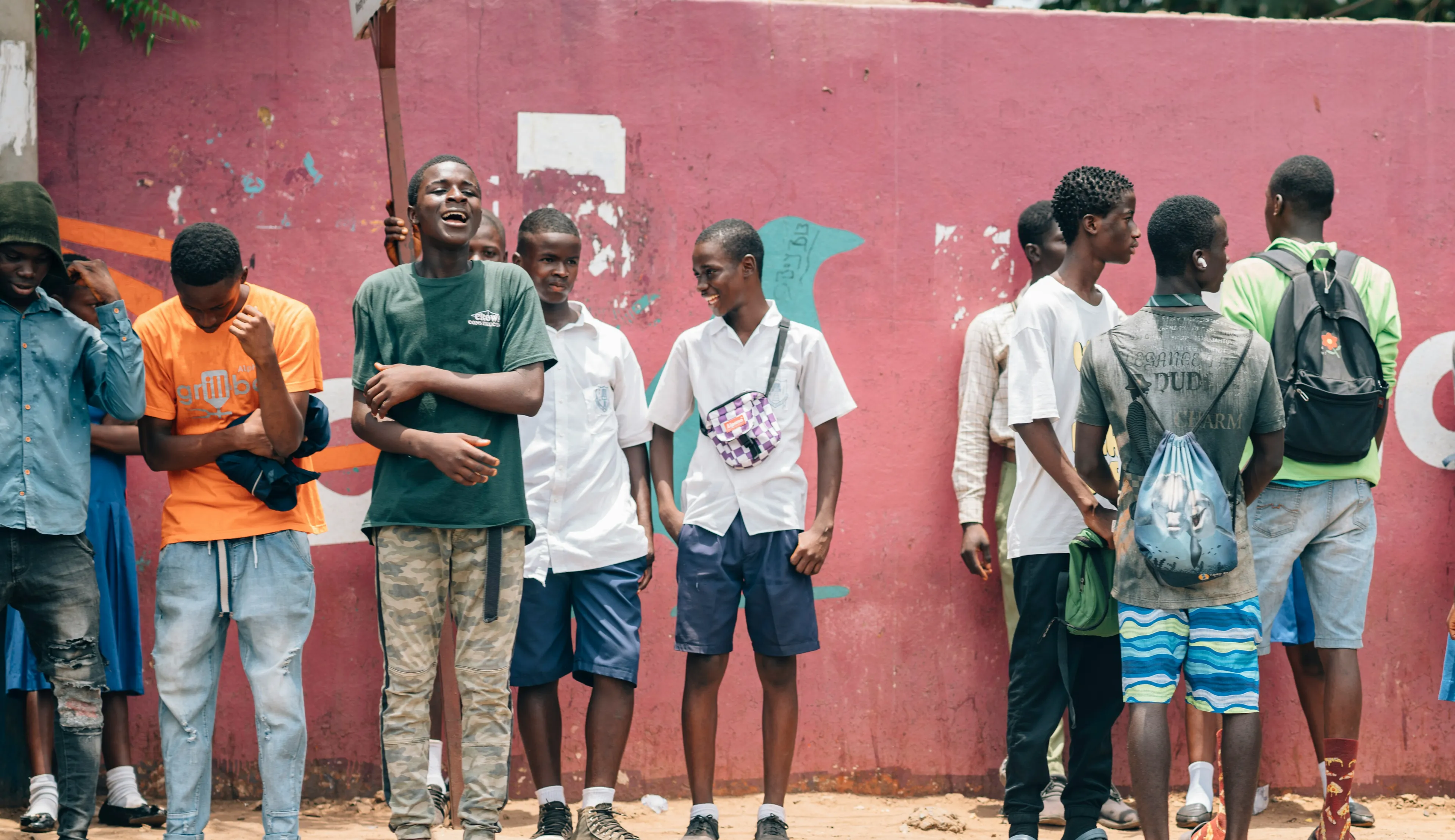
The Swiss nonprofit Social Income asks, “What would change if you gave away 1% of your income every month? Not much, right?”
The Zurich-based project Social Income provides people in Sierra Leone with an unconditional basic income. Could this be the future of poverty alleviation?