Loading Social Income...
Our work
Recipient app
© 2026 Social Income · Registered Non-Profit in Switzerland
Platform partner

© 2026 Social Income · Registered Non-Profit in Switzerland
Loading Social Income...
Loading Social Income...
© 2026 Social Income · Registered Non-Profit in Switzerland
Platform partner
© 2026 Social Income · Registered Non-Profit in Switzerland
Loading Social Income...
Direct cash programs give money directly to people in need, so they can decide how to use it

In 2026, about 811 million people live on less than $3.00 a day. One in ten of us. A number that has barely moved since the pandemic.
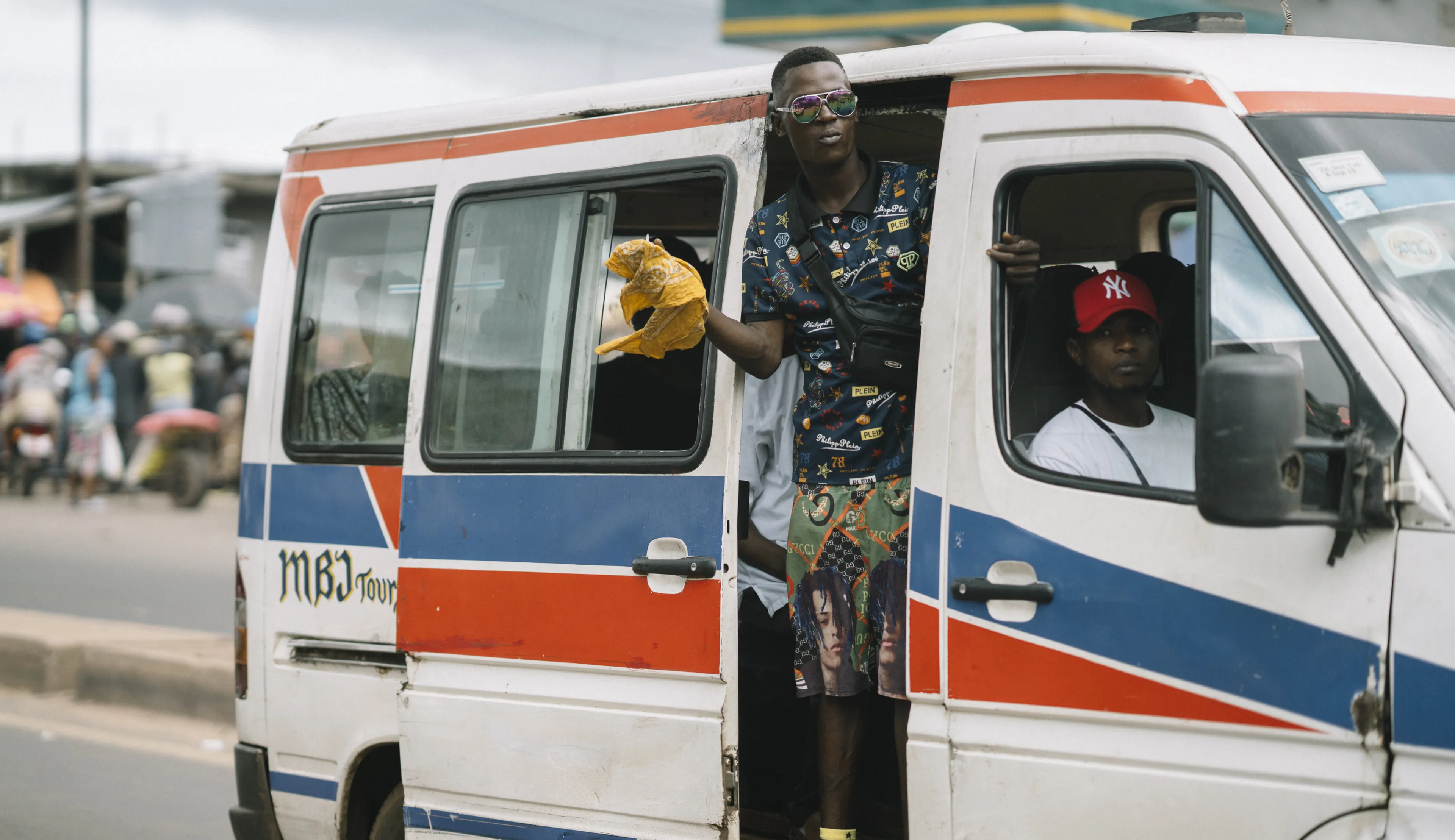
Mobile money is more than just convenience. It enables a whole new form of giving.

Scott Santens says talent just needs a floor to stand on. He's right. But this floor matters most exactly where it's rarest: in the places Social Income works.
There's no such thing as a perfect number. But there are ways to arrive at an amount that's grounded in local reality while remaining honest about limits. Here's how we get there.
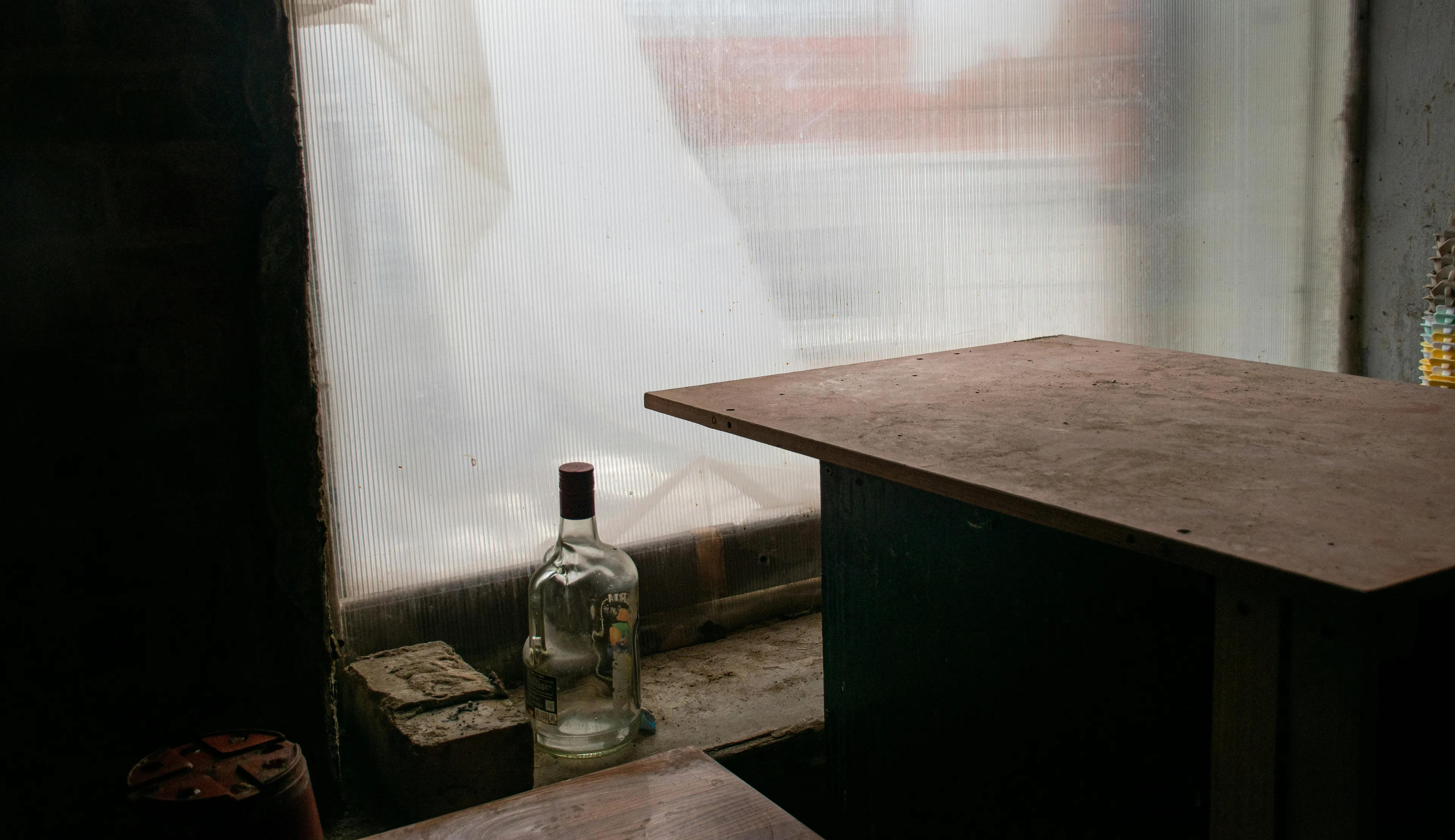
Thirty studies across three continents looked at what happens when poor families receive cash. The myth that they spend it on booze did not survive a single one of these studies.
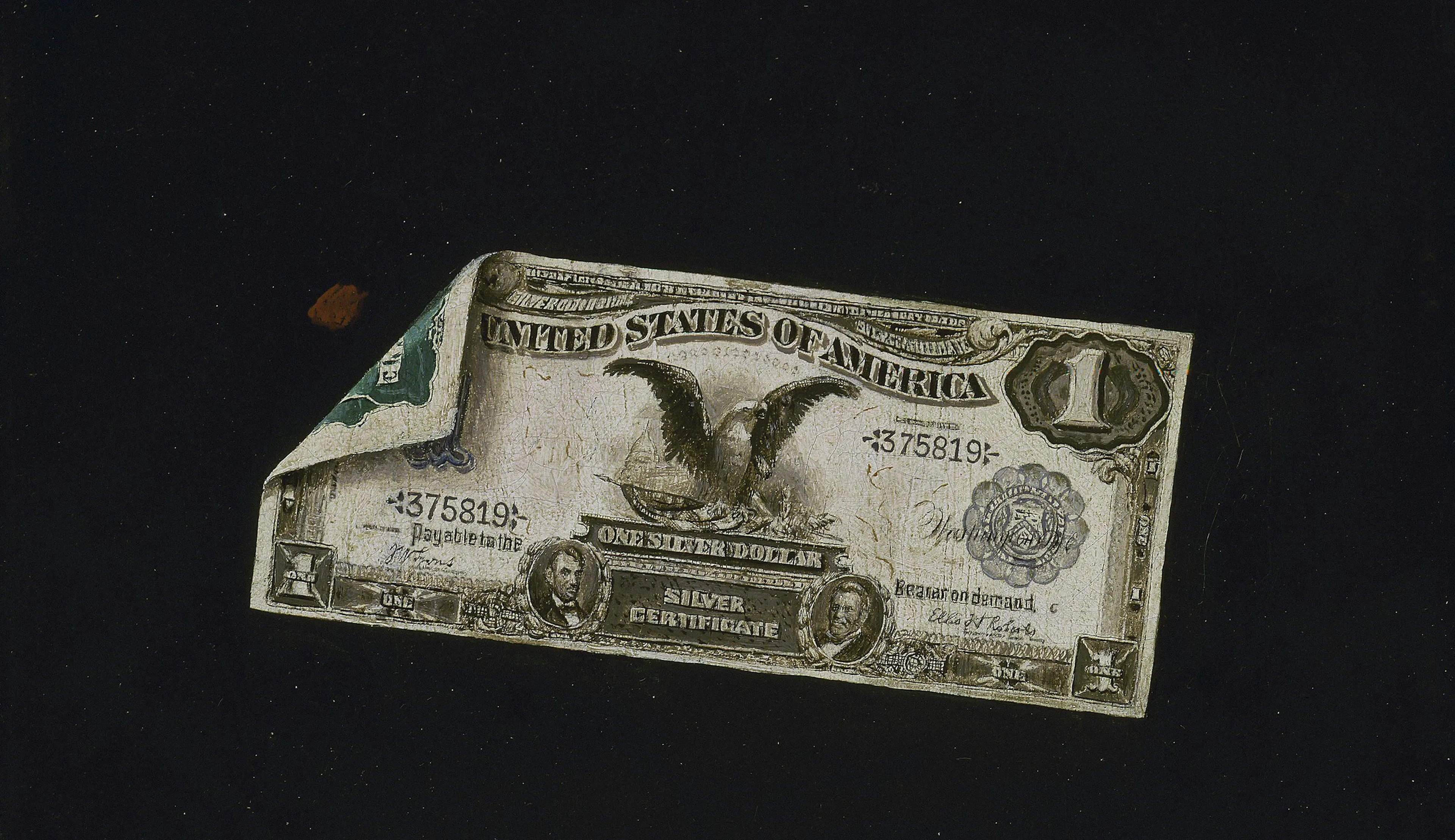
When you want to do something differently, the first hurdle is not the work itself – it’s fighting the classic adage: “But we have always done things this way”.
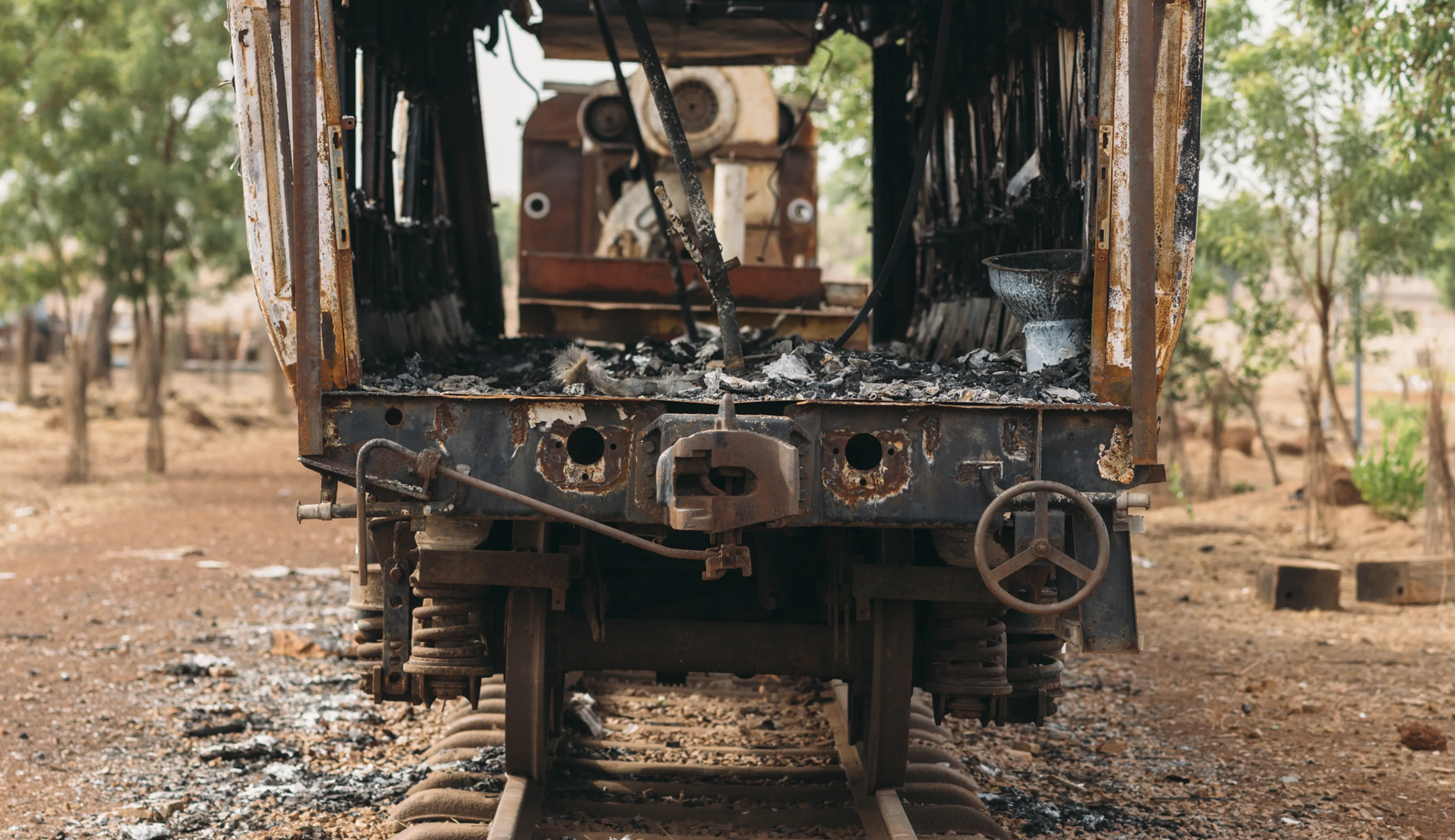
Sending cash to sub Saharan Africa costs close to 8%. The UN promised to get that number under 3% by 2030. Fifteen years in, it has barely decreased.
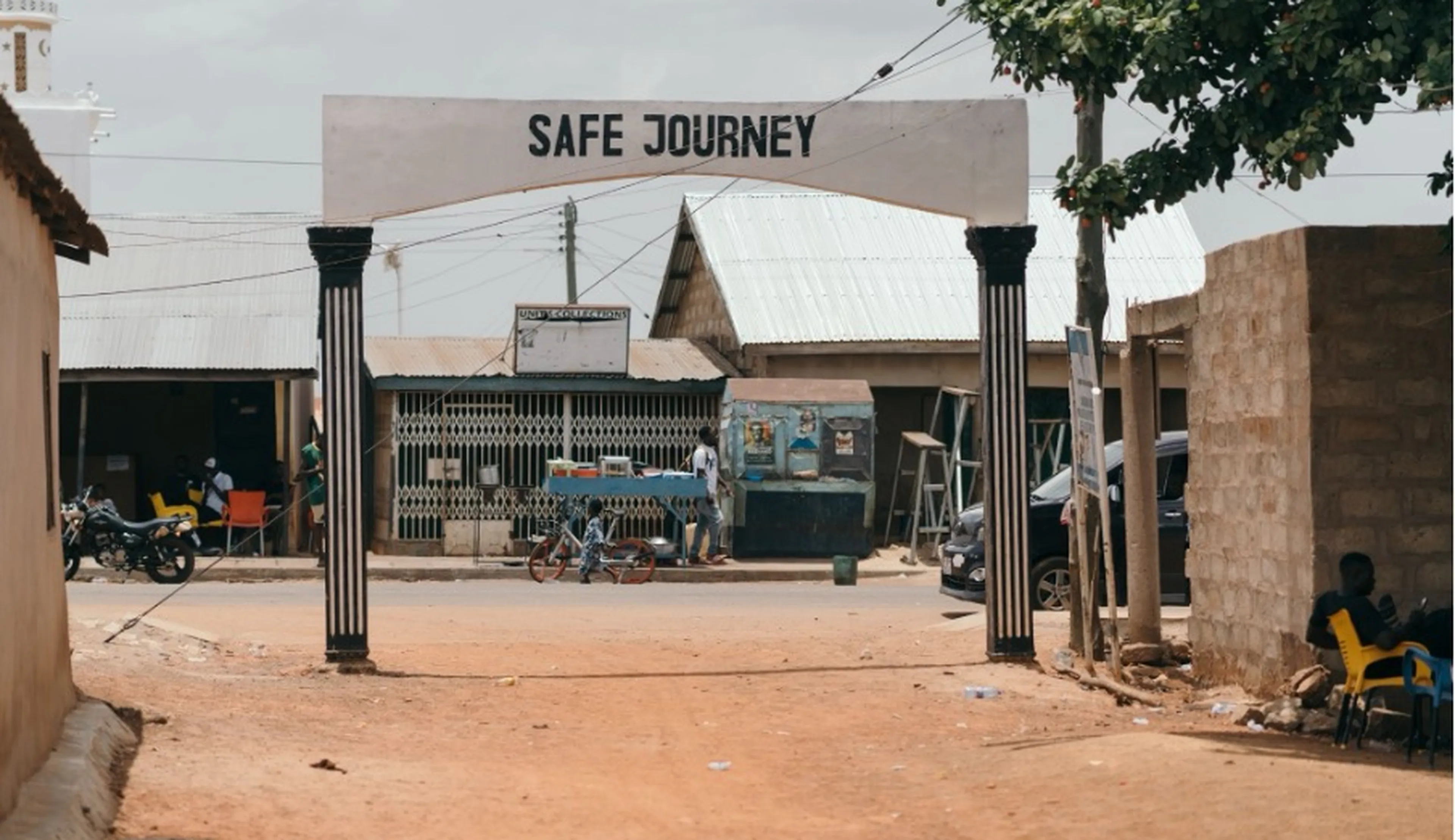
The world’s largest cash transfer system isn’t run by governments or NGOs. It is run by diaspora communities sending money home. And it already reaches hundreds of millions of people.
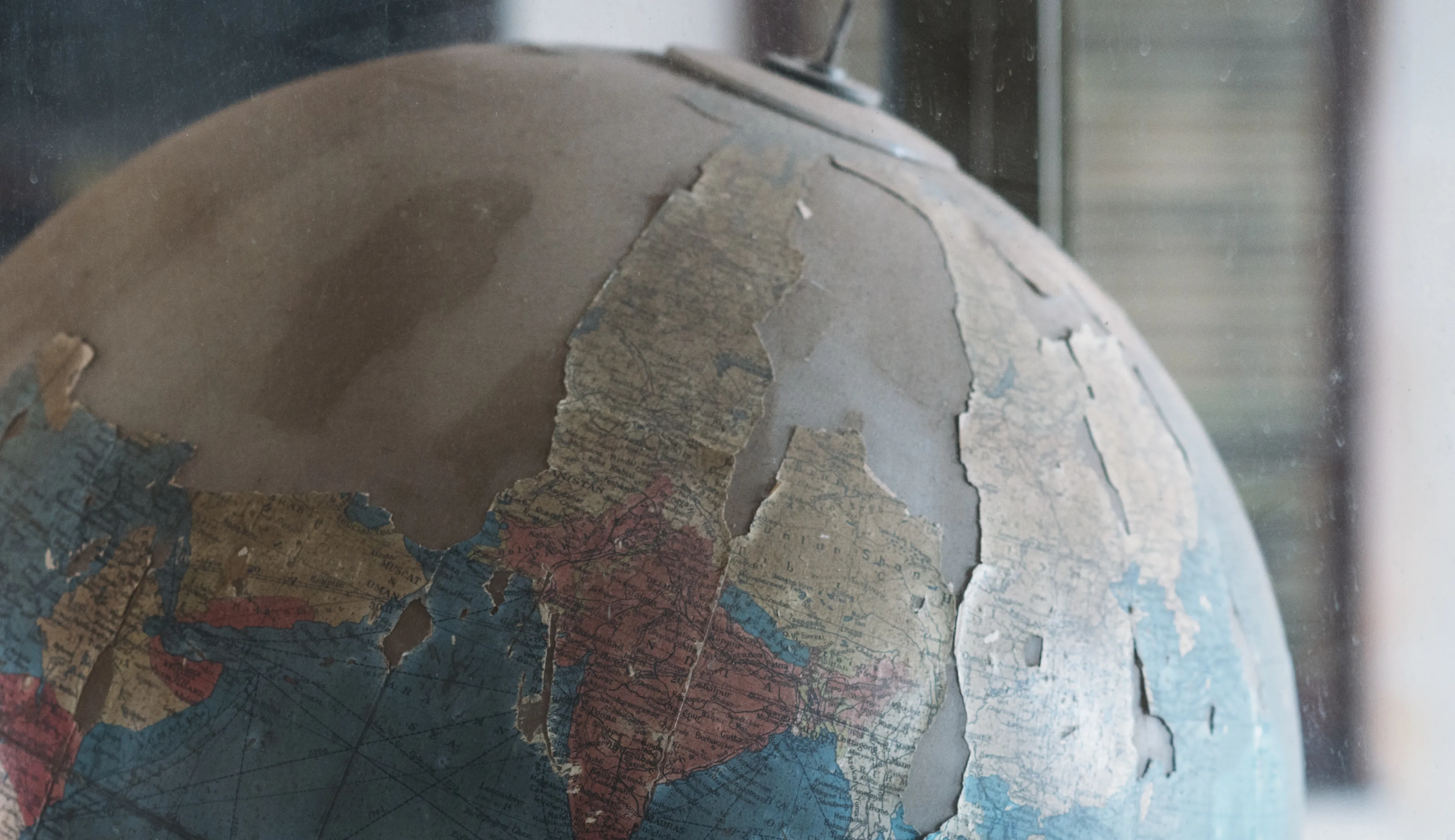
When machines do more of the work, the question of who shares in the wealth becomes a moral one.

We started with spreadsheets and a belief that cash works. Five years later, we're turning what we built into shared infrastructure, for anyone who wants to use it.
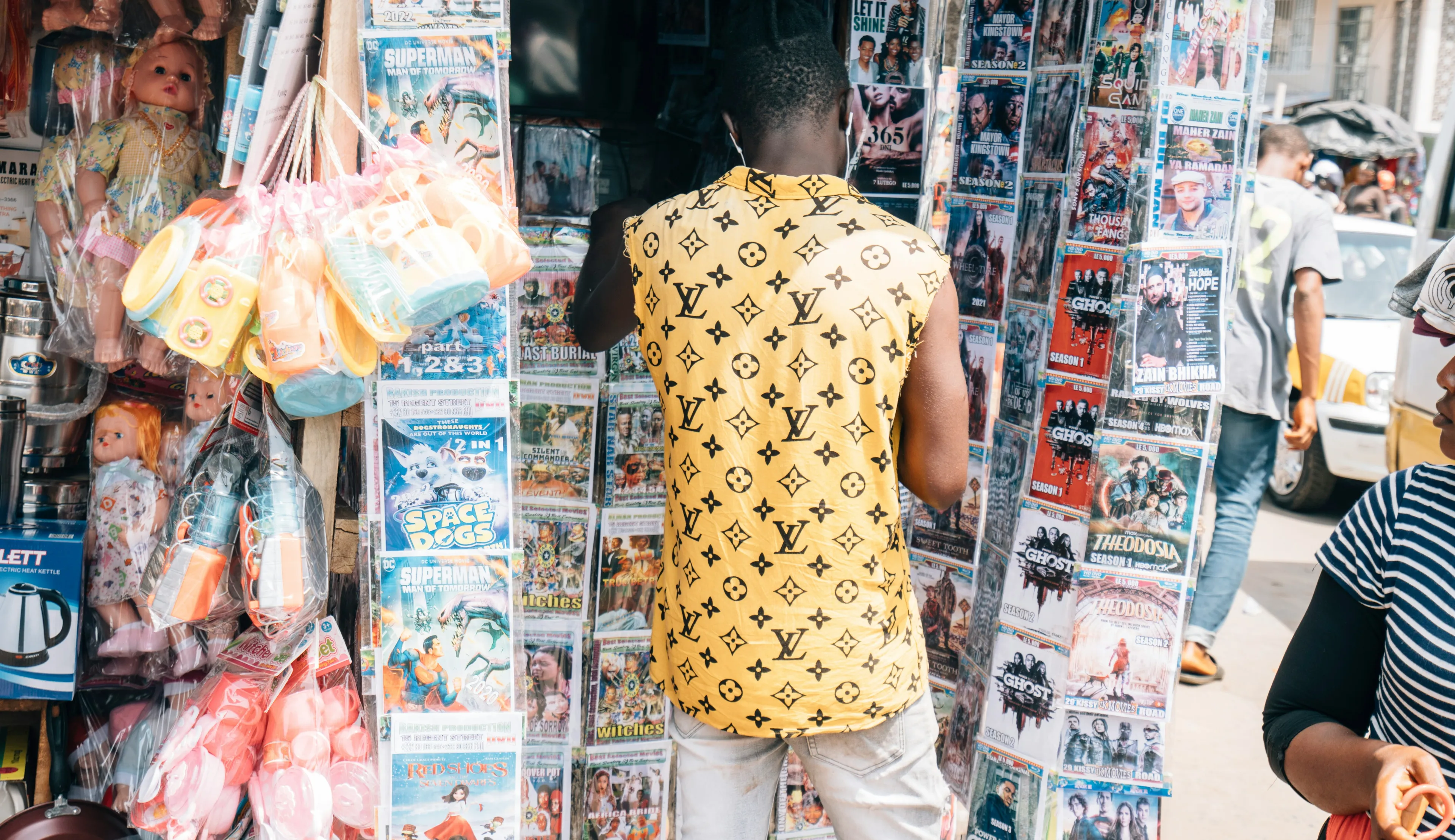
A suggested reading list to provide a foundational understanding on topics such as Social Income, Basic Income, financial aid, and poverty
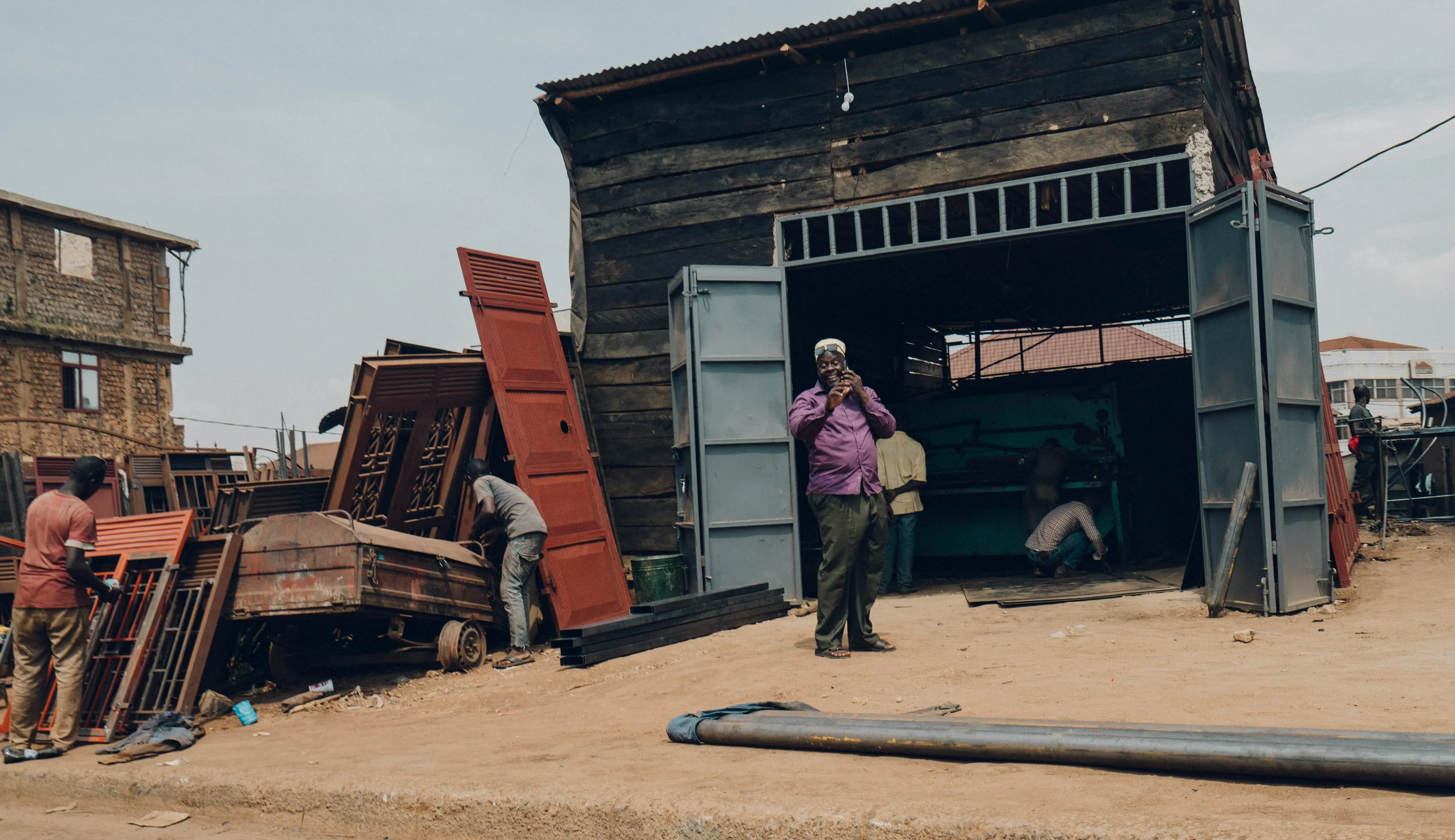
If happiness can be measured, can freedom?

The negatives of population decline are well documented. So is the proposed fix: Pay parents more to boost birth rates. Straightforward on paper, far less convincing in practice.
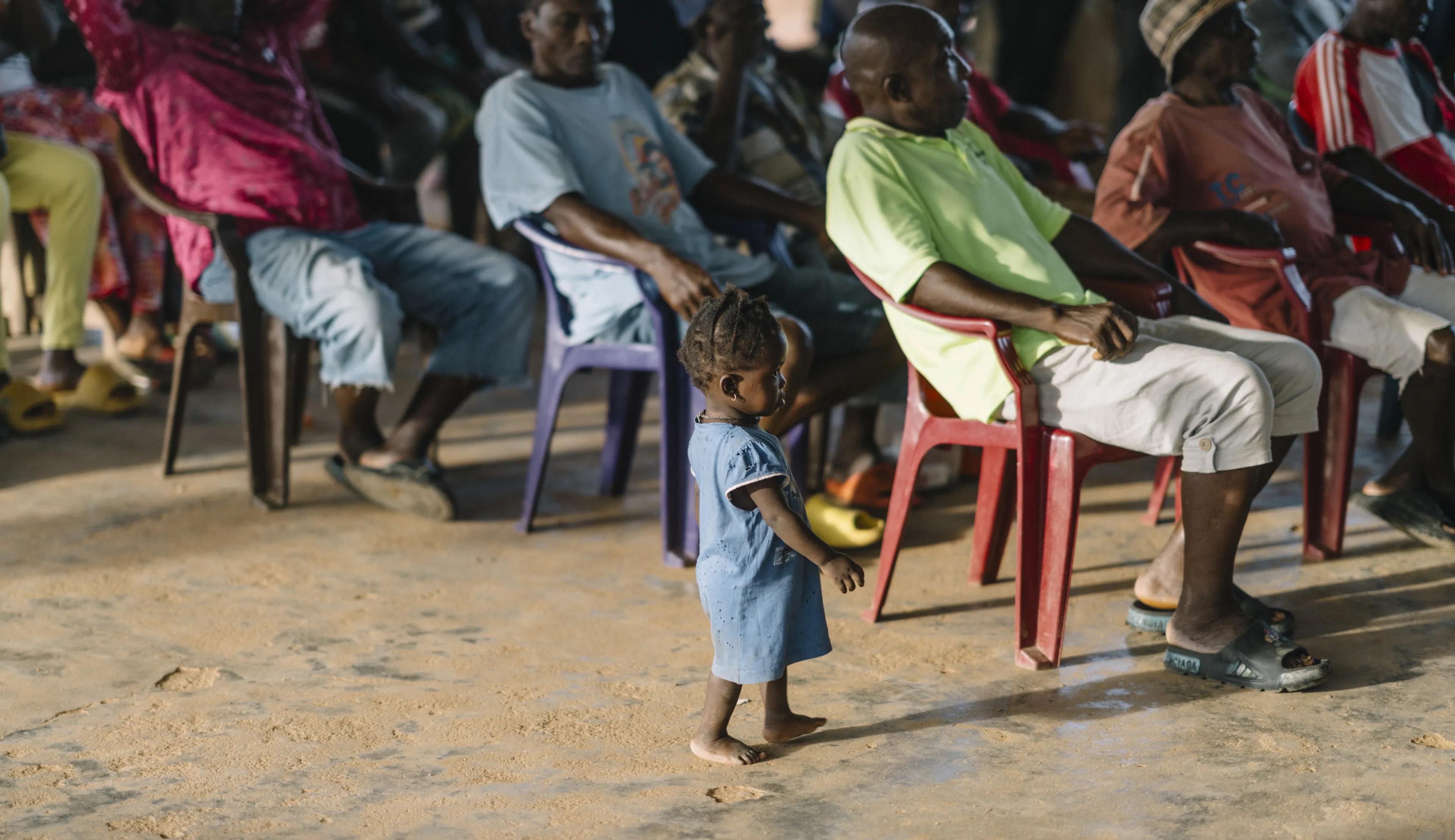
How cash transfers can transform lives over decades.
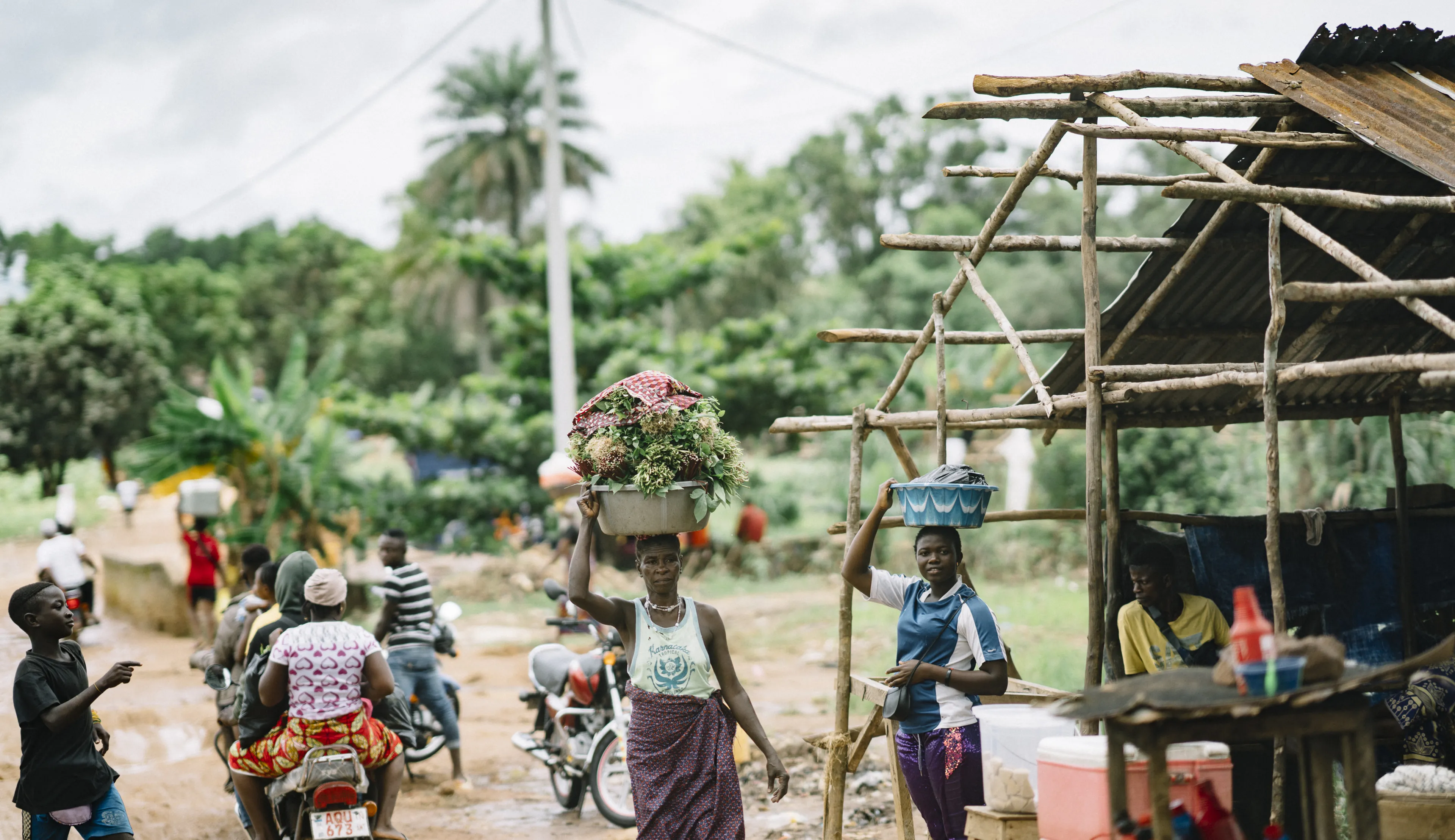
Savings groups reach 13 million people in places banks never went. Here is what the research says they do, where they fail, and why we still don’t run them.
25 countries have halved multidimensional poverty within 15 years. That kind of progress is rare, and it matters.
In June 2025, the official count of the world's extreme poor jumped by 125 million overnight. Nobody lost a cent. The ruler changed.

The Swiss newspaper NZZ proposes a radical idea: a global basic income for the world's poorest people. The reasoning is pragmatic and highly compelling.
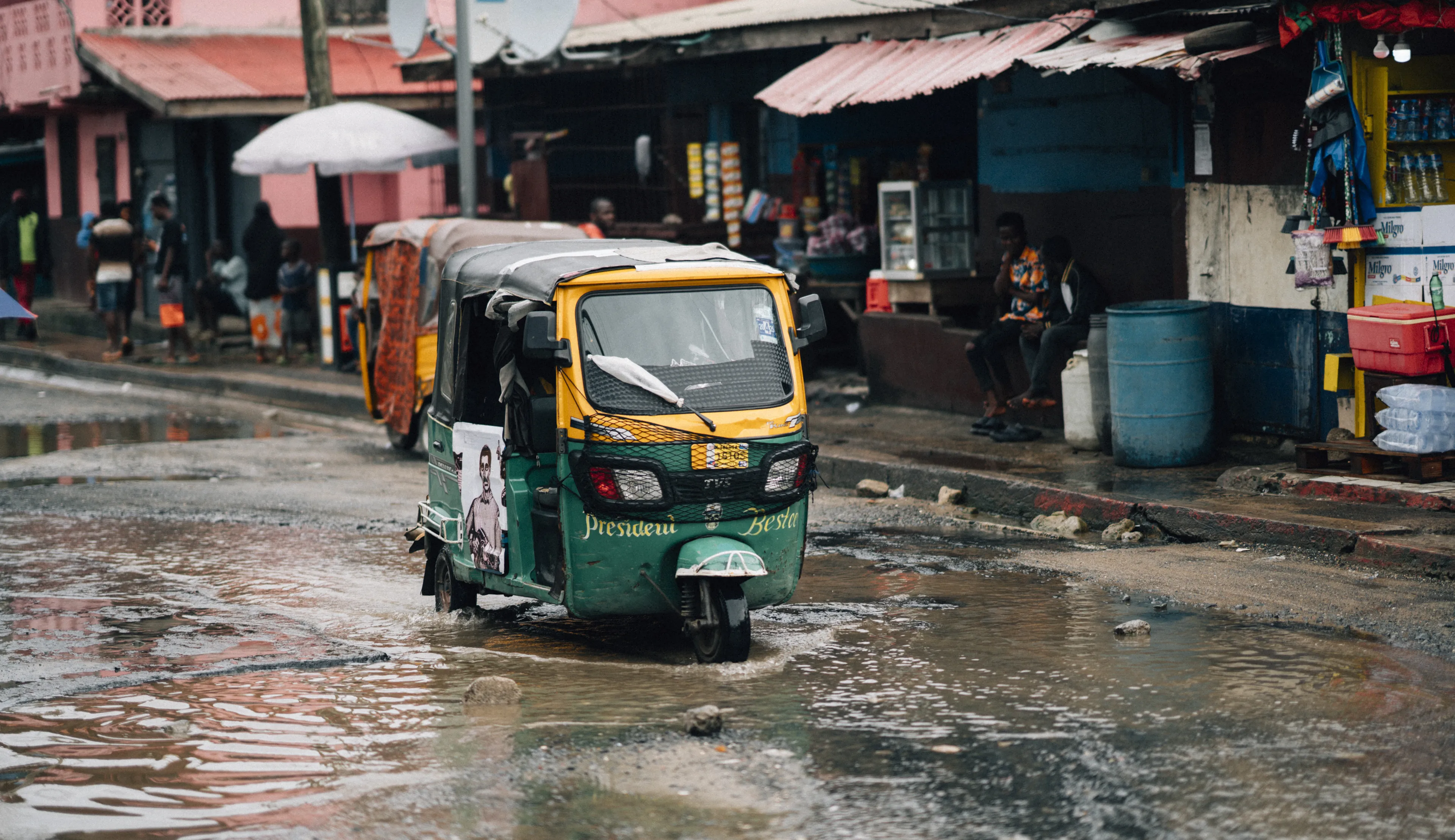
Cash doesn't transfer itself. Last month, Marc and I flew to Monrovia to find out what it actually takes to get money to people who need it.
In 2016, Swiss voters rejected a basic income for all, mostly over cost. What if the same idea, too expensive at home, could work where it’s needed most?
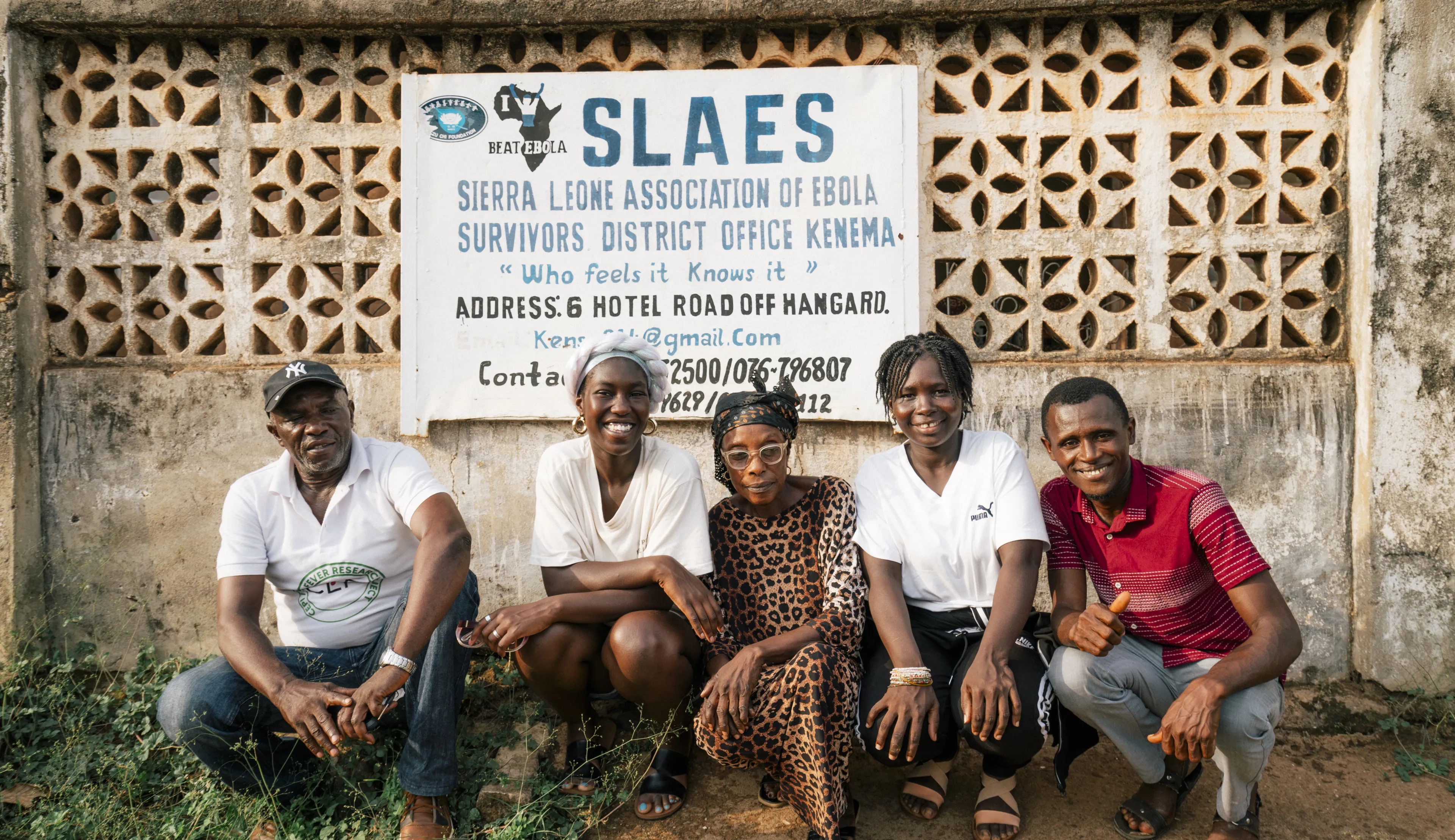
When Ebola swept through Sierra Leone, it left behind more than just loss: it tested the strength of an entire nation

Microcredits are meant to fight poverty. For the poorest, however, they often create more pressure than opportunity.
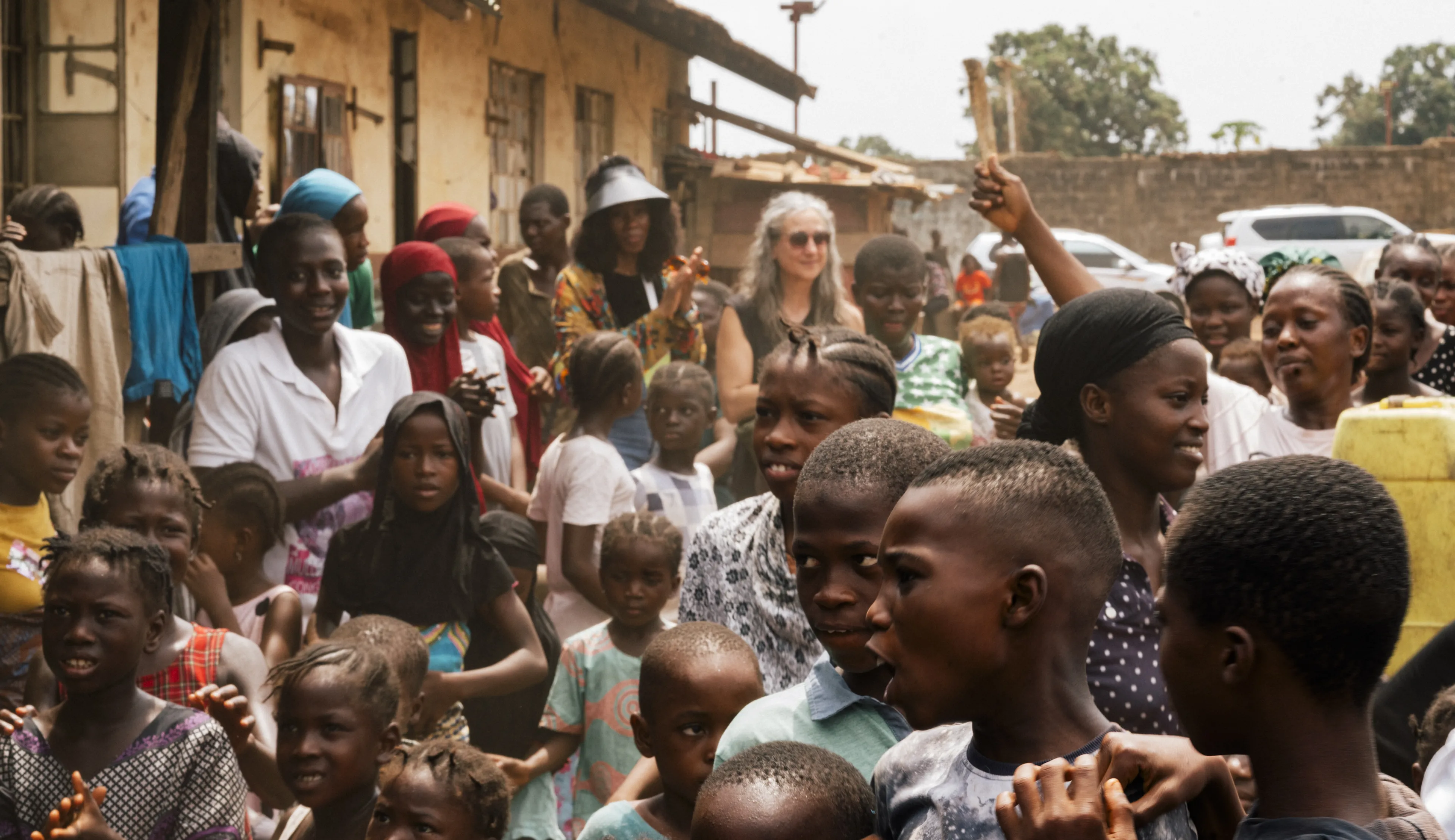
We all know the numbers. Millions live on less than two dollars a day. So why does almost none of us do anything about it?
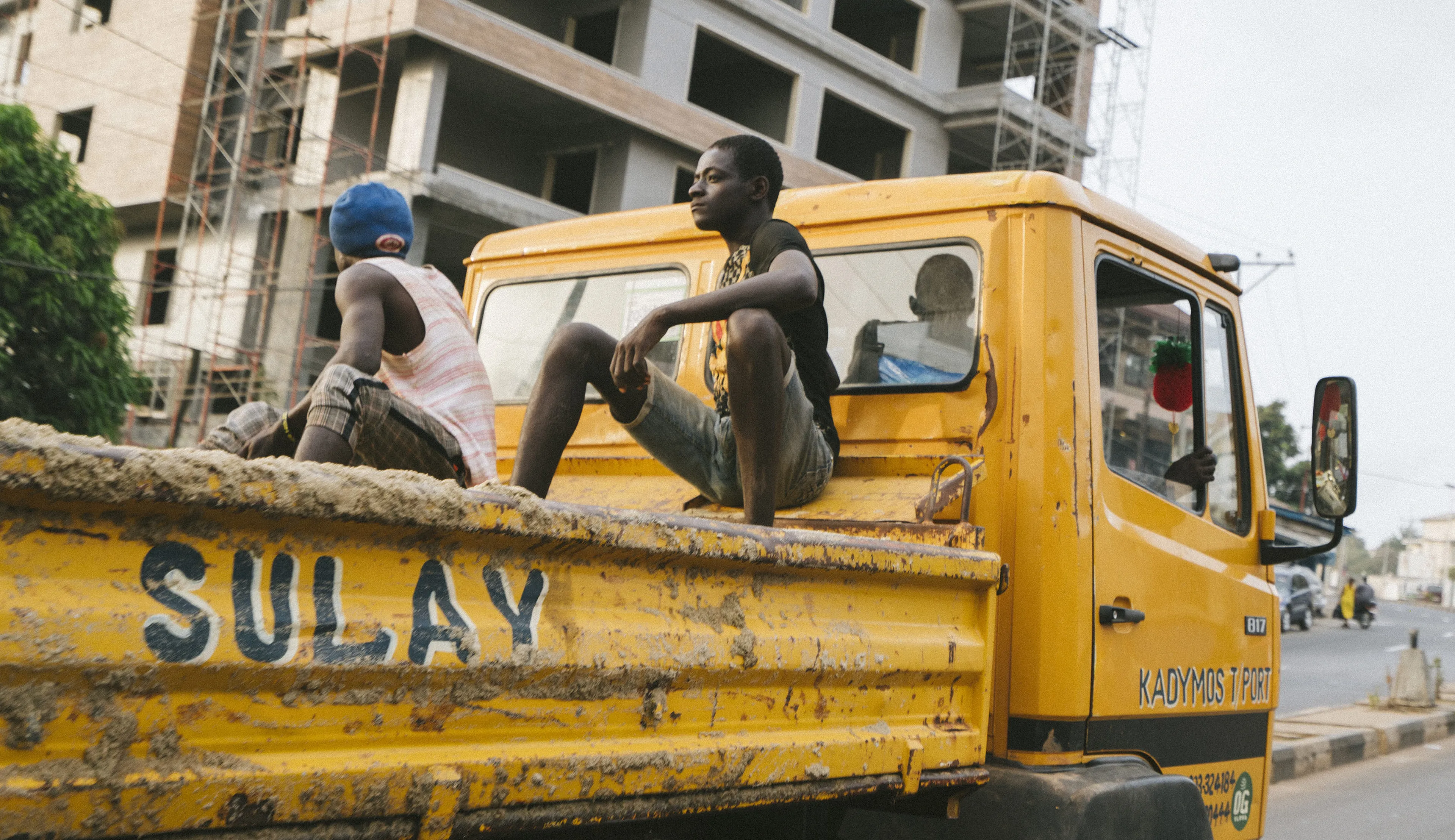
Direct cash transfers can be an effective tool for reducing income inequality because they provide financial support to those who are struggling to make ends meet.
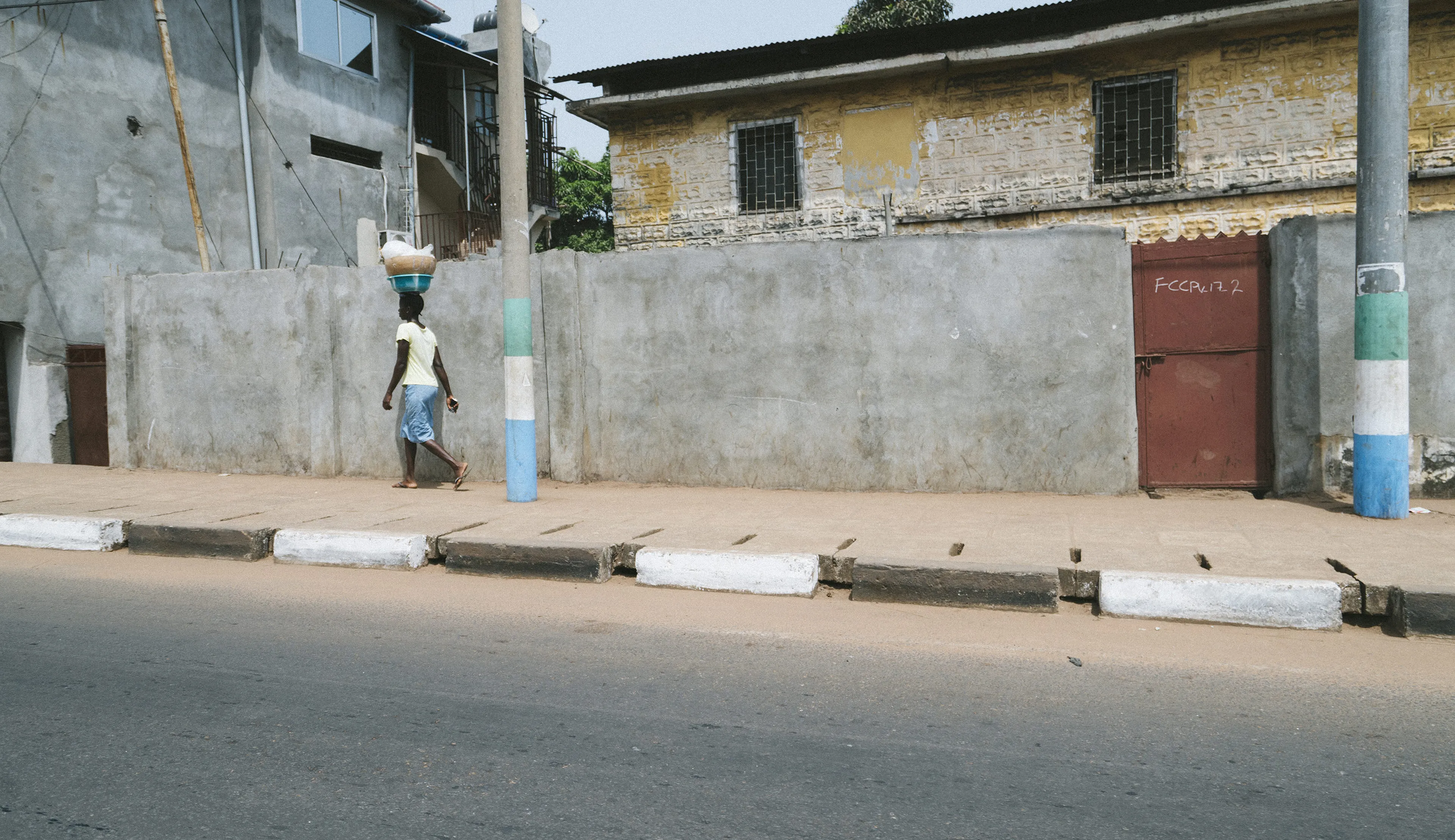
Social Income lets everyone participate in the fight against global poverty by contributing 1% of their income, which is paid out directly to the phones of people in need.
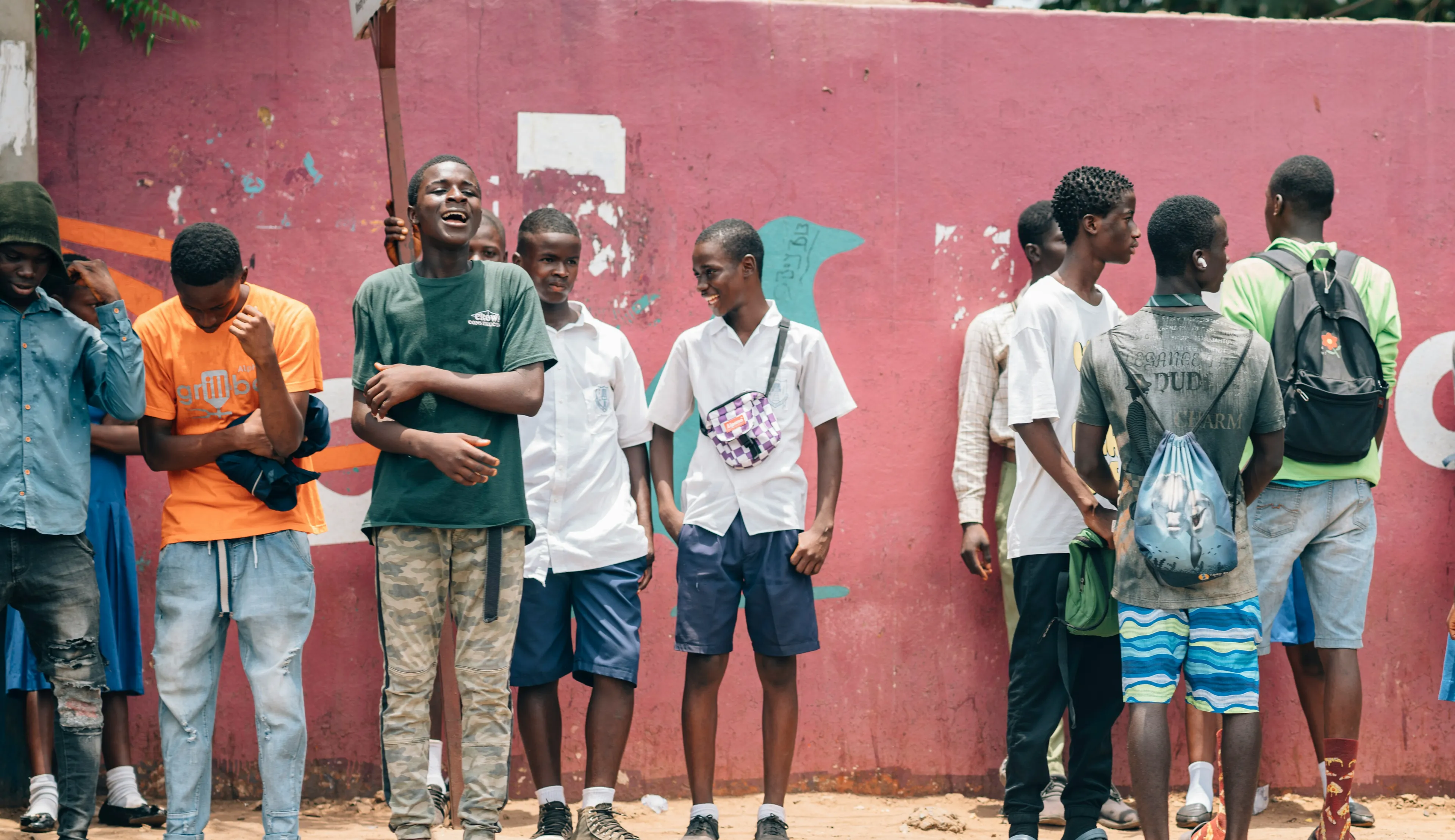
The Swiss nonprofit Social Income asks, “What would change if you gave away 1% of your income every month? Not much, right?”
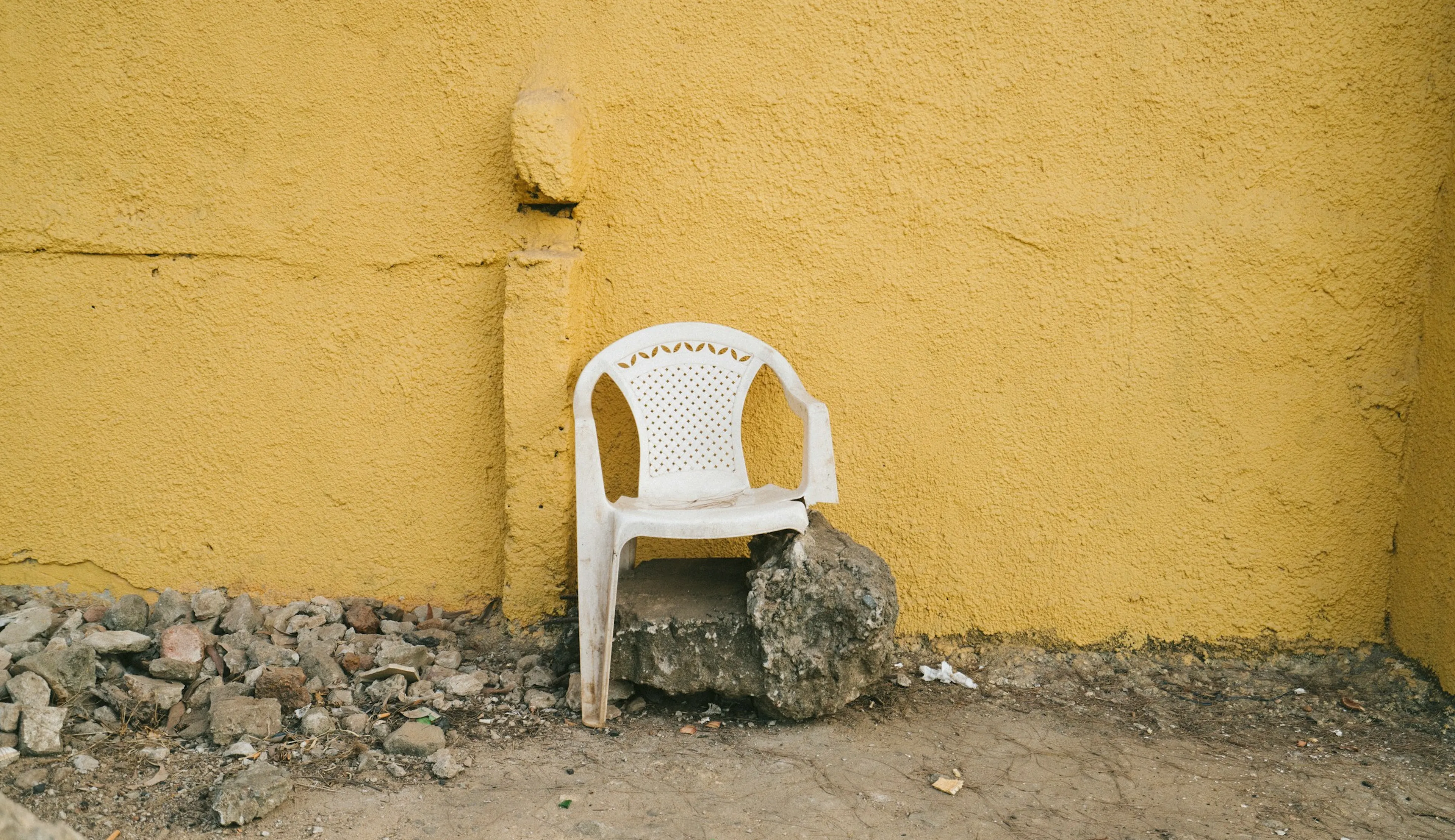
The Zurich-based project Social Income provides people in Sierra Leone with an unconditional basic income. Could this be the future of poverty alleviation?